 Italien · 17. Jahrhundert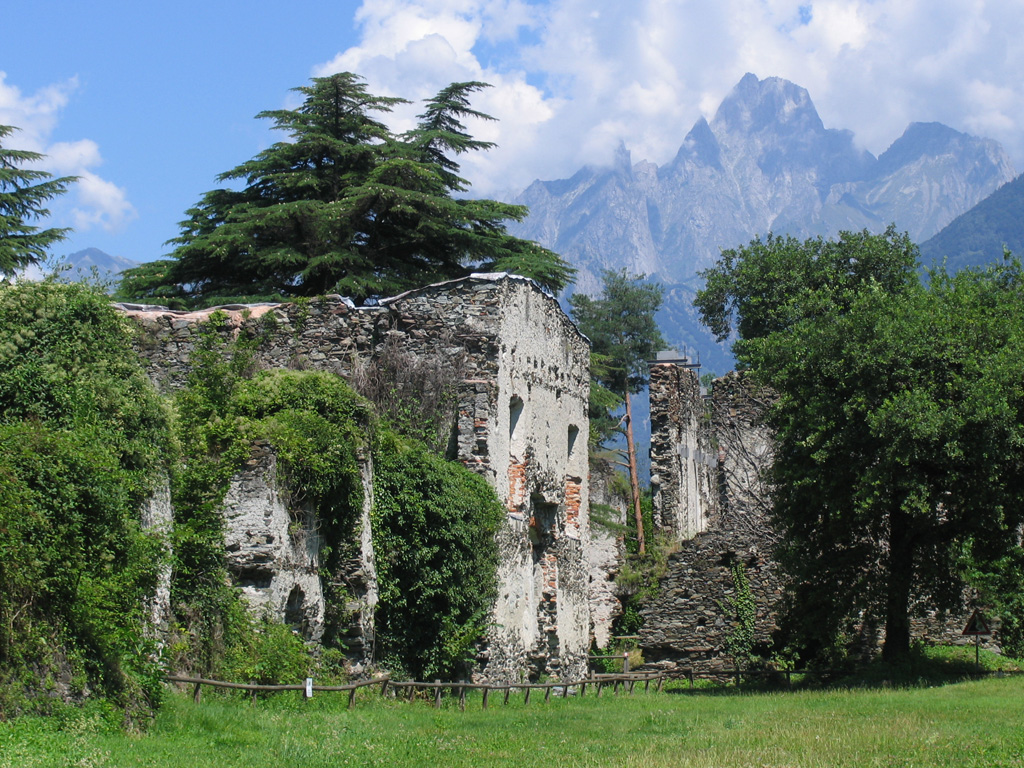
Fort Fuentes (italienisch: Forte di Fuentes) ist ein ehemaliges Militärfort auf dem Hügel von Montecchio oder Monteggiolo bei Colico, in der Provinz Lecco, Lombardei, Norditalien.
Es wurde vom spanischen Gouverneur von Mailand, Don Pedro Enríquez de Acevedo, Graf von Fuentes, errichtet, um das Pian di Spagna und den strategischen Trivio di Fuentes zu beherrschen, die Kreuzung zwischen dem Veltlin, dem Valchiavenna und dem Alto Lario, um die Nordgrenze der spanischen Herrschaft gegen die Bündner im Norden zu verteidigen. Der Bau begann 1603 oder im Oktober 1609 unter dem Militärarchitekten Gabrio Brusca und war innerhalb von drei Jahren im Wesentlichen abgeschlossen. Zu den zugehörigen befestigten Bauten zählten der Turm von Sorico, die Torretta del Passo, das Fortino d'Adda, der Torrino di Borgofrancone, die Torretta di Curcio und der Turm von Fontanedo.
Wie die Stadt Mailand unterlag auch das Fort von Fuentes 1706 Prinz Eugen von Savoyen, womit die spanische Herrschaft über das Gebiet endete. Man nimmt an, dass das Samolaco-Pferd zum Teil von spanischem Zuchtvieh abstammt, das von den Garnisonen dieser Befestigungsanlagen zurückgelassen wurde.
Das Fort wurde 1769 von Kaiser Joseph II. (reg. 1765–1790) besucht, der es für militärisch nutzlos erklärte. Es wurde 1782 außer Dienst gestellt, und der Hügel wurde an einen privaten Käufer versteigert. Die Festung wurde 1796 größtenteils von General François Rambeaud auf Befehl Napoleons und auf Wunsch der Bündner abgerissen. Im 19. Jahrhundert wurden die Ruinen zum Zufluchtsort von Banditengruppen, die von der österreichischen Gendarmerie nicht vertrieben werden konnten.
Von 1911 bis 1913 wurde auf dem Gelände das Fort Montecchio-Lusardi mit acht Geschützstellungen errichtet, wobei der runde spanische Turm auf der Westseite zu dieser Zeit abgerissen wurde. Das Fort war im Ersten Weltkrieg nicht im Einsatz.
Maschinell übersetzt aus „Fort Fuentes“ in der englischsprachigen Wikipedia, CC BY-SA 4.0.
Fort Fuentes steht weltweit auf Platz 4.535 von 9.035 im Burgen-Bekanntheitsranking des Atlas und Nr. 336 der 555 in Italien verzeichneten. Die Gründung fällt auf 1603: früher als bei 30% der datierten Objekte des Atlas, eines von 708 Atlas-Objekten, die im 17. Jahrhundert gegründet wurden. Laut Wikidata zählte die Anlage 2022 rund 6.460 Besucher. Im Umkreis von 25 km stehen 3 weitere Objekte des Atlas. Der nächste Ausflugs-Guide ist Lugano, 37 km entfernt. Sehen Sie in der Burgen-Statistik, wie Italien abschneidet.
Auf der interaktiven Burgenkarte ansehen →