 South Korea · 6th century
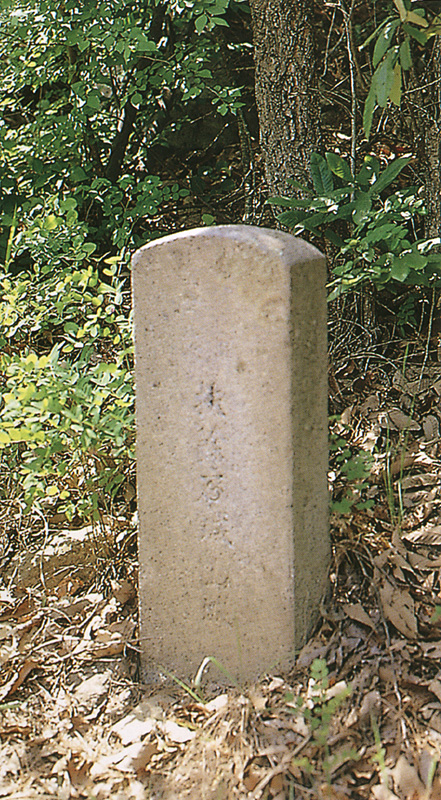
Buyeo Seokseong Fortress ranks #9,001 of 9,040 worldwide in the atlas's castle fame ranking, and #52 of the 57 mapped in South Korea. Founded c. 525, it is older than 97% of the atlas's dated landmarks, one of 39 atlas entries founded in the 6th century. 3 more atlas landmarks stand within 25 km. The nearest day-trip guide is Cheongju, 63 km away. See how South Korea compares in the castle statistics.
Sŏksŏngsansŏng (Korean: 석성산성; Hanja: 石城山城; RR: Seokseongsanseong) was a Baekje-era Korean fortress in what is now Buyeo County, South Chungcheong Province, South Korea. On January 21, 1963, its former site was made a Historic Site of South Korea.
The forterss was built in the first half of the 6th century to protect the Baekje capital Sabi. It connected to the other fortresses Hwangsansŏng, Nosŏngsansŏng, Sŏnghŭngsansŏng, and Kŭmsŏngsansŏng.
It is located on the summit of the mountain Pajinsan (파진산; 破陣山). It has three sets of walls. The outermost wall has a perimeter of 1,605 m (5,266 ft) and an internal area of 158,352 m2 (1,704,490 ft2). The second wall has a circumference of 751 m (2,464 ft) and area of 25,400 m2 (273,000 ft2). The third wall has a circumference of 607 m (1,991 ft) and area of 19,127 m2 (205,880 ft2). There were 7 gates at the fortress.
Text adapted from “Sŏksŏngsansŏng” on Wikipedia, CC BY-SA 4.0.
View on the interactive castle map →