 Hungary · 13th century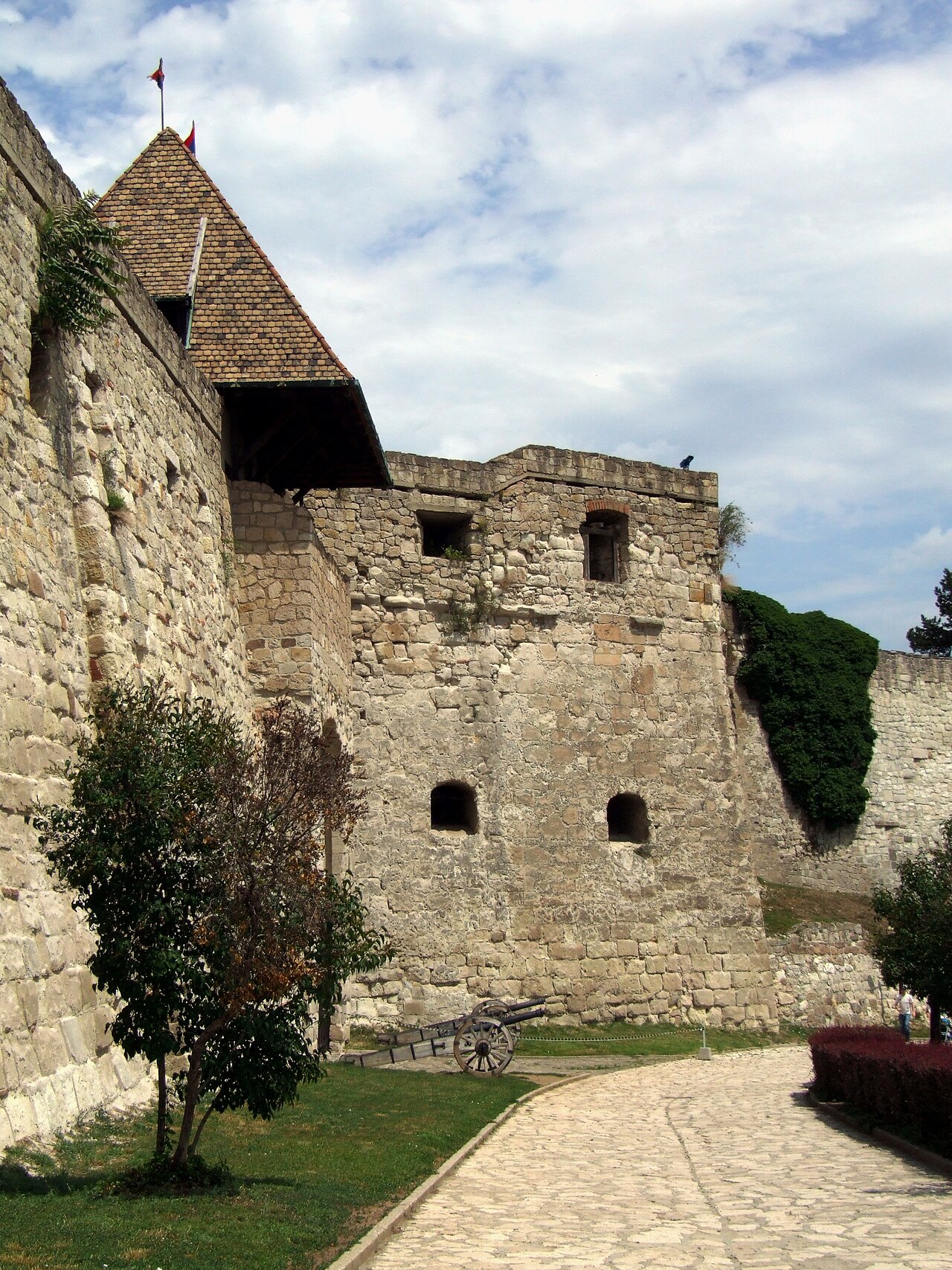
The Eger Castle (Hungarian: Egri vár) is a castle in Eger, Hungary. Historically, it is known for repelling the Turkish attack in 1552 during the Siege of Eger.
The first castle was built on the high hill named Várhegy at Felsőtárkány near Eger.
During the Mongol invasion in 1241, this castle was ruined, and the bishop of Eger moved it to a rocky hill in the city of Eger. On the hill, a new castle was built, and it developed rapidly. In 1470 a Gothic palace was built. In 1552, a Turkish army of 35,000-40,000 soldiers attacked the castle which had 2,100-2,300 defenders. The siege failed as the Turks suffered heavy casualties. A total of 1,700 of the defenders survived. After that Turks besieged the castle again in 1596, resulting in a Turkish victory. In 1701, the Austrians exploded half of the castle (the Külső vár).
Archaeological excavations only started in 1925 and the castle was used by the army as barracks until 1957.
Dobó István Vármúzeum - This shows the history of the castle, Egri Képtár - A painting exhibition, Kazamaták - A system of cellars under the castle, Panoptikum - A wax museum, an ancient vase exhibition, and several periodic exhibitions.
Text adapted from “Eger Castle” on Wikipedia, CC BY-SA 4.0.
Castle of Eger ranks #849 of 9,079 worldwide in the atlas's castle fame ranking, and #7 of the 135 mapped in Hungary. Founded c. 1250, it is older than 67% of the atlas's dated landmarks — one of 1080 atlas entries founded in the 13th century. Its Wikipedia articles were opened 5,270 times in the last 60 days, more than 87% of the atlas. 4 more atlas landmarks stand within 25 km. The nearest day-trip guide is Miskolc, 37 km away. See how Hungary compares in the castle statistics.
View on the interactive castle map →