Pałac
Pałac Köpenick
Köpenick Palace · 🇩🇪 Niemcy · XVI wiek
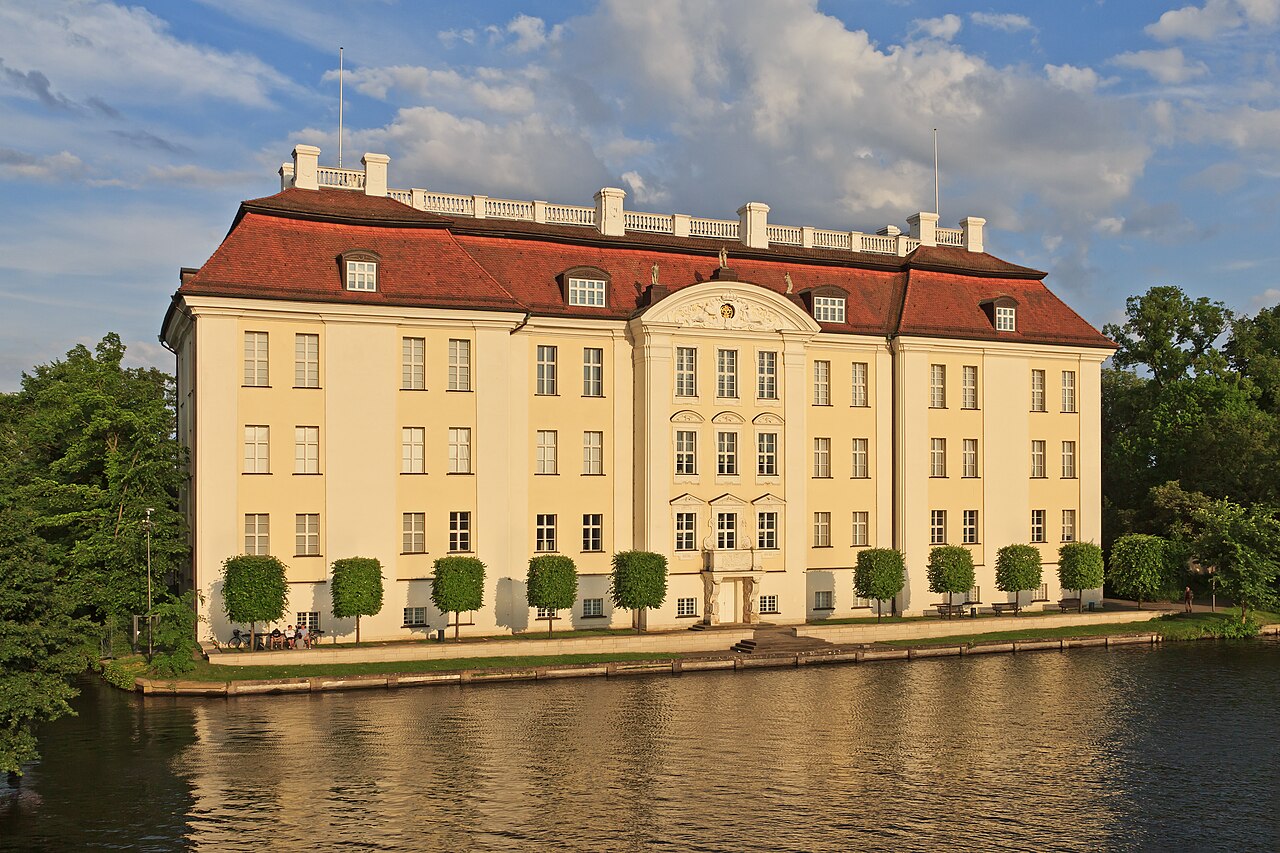
Schloss Köpenick (Pałac Köpenick) to barokowy pałac wodny elektorów brandenburskich z dynastii Hohenzollernów, stojący na wyspie na rzece Dahme, otoczony parkiem w stylu angielskim, który nadał nazwę Köpenick, dzielnicy Berlina.
Zamek pierwotnie zbudowano na fundamentach słowiańskiej warowni (VI wiek) w 1558 roku jako pawilon myśliwski, z polecenia elektora Joachima II Hektora Brandenburskiego. Budynek w stylu renesansowym stanął na wyspie rzecznej, w miejscu dawnej średniowiecznej twierdzy. Joachim II zmarł tu w 1571 roku. W 1631 roku posiadłość służyła jako kwatera główna króla Szwecji Gustawa II Adolfa, gdzie – bez rezultatu – prosił on swojego szwagra, elektora Jerzego Wilhelma, o pomoc podczas wojny trzydziestoletniej.
Fryderyk I Pruski kazał przebudować i rozbudować pawilon od 1677 roku i mieszkał tu wraz ze swoją pierwszą żoną, Elżbietą Henrietą Heską. W 1730 roku Fryderyk II Pruski, wówczas następca tronu, oraz jego przyjaciel Hans Hermann von Katte stanęli przed sądem wojennym za dezercję w Schloss Köpenick. Dziś zamek, otoczony niewielkim parkiem, mieści Muzeum Sztuki Dekoracyjnej, prowadzone przez Fundację Pruskiego Dziedzictwa Kulturowego w ramach Muzeów Państwowych w Berlinie.
Od 1963 roku Pałac Köpenick wykorzystywany jest przez Kunstgewerbemuseum jako przestrzeń wystawiennicza. Po renowacji w 2004 roku pałac mieści muzeum sztuki ze stałą wystawą „RoomArt”, prezentującą sztukę dekoracyjną okresów renesansu, baroku i rokoka. Muzeum prezentuje również wybitne dzieła projektowania wnętrz z XVI–XVIII wieku.
Tłumaczenie maszynowe artykułu „Köpenick Palace” w angielskiej Wikipedii, CC BY-SA 4.0.
Pałac Köpenick zajmuje 1516. miejsce na 8134 w rankingu rozpoznawalności zamków tego atlasu i 118. wśród 505 obiektów w Niemczech. Data powstania — 1558, wcześniejsza niż u 38% datowanych obiektów atlasu — jeden z 755 obiektów atlasu powstałych w XVI wieku. Artykuły o tym obiekcie w Wikipedii otwarto 2623 razy w ciągu ostatnich 60 dni — więcej niż 73% obiektów atlasu. W promieniu 25 km stoi 13 innych obiektów atlasu. Najbliższy przewodnik na jednodniowy wypad to Berlin, 15 km stąd. Zobacz w statystykach zamków, jak wypada Niemcy.
Zobacz na interaktywnej mapie zamków →Najczęstsze pytania
Gdzie znajduje się Pałac Köpenick?
Pałac Köpenick znajduje się w Niemczech, na współrzędnych 52.44389°, 13.57278°.
Z którego roku pochodzi Pałac Köpenick?
Atlas podaje rok powstania: 1558. Wcześniejsze budowle mogły stać w tym miejscu — to najstarszy udokumentowany rok.
Które miejsce w rankingu zajmuje Pałac Köpenick?
W rankingu rozpoznawalności tego atlasu: 1516. miejsce na 8134, 118. miejsce w Niemczech. Rozpoznawalność łączy liczbę wersji językowych Wikipedii z liczbą czytelników.
Pałac Köpenick — który zamek leży najbliżej?
Friedrichsfelde Castle, około 8 km stąd.
Inne zamki w Niemczech
- Pałac Nordkirchen Niemcy · XVIII wiek
- Sendlinger Tor Niemcy · XIV wiek
- Plassenburg Niemcy · XII wiek
- Zamek Stahleck Niemcy · XII wiek
Inne obiekty: pałace
- Bernstorff Palace Dania · XVIII wiek
- Pałac Prymasowski w Bratysławie Słowacja · XVIII wiek
- Palais Schwarzenberg Austria · XVII wiek
- Beiteddine Palace Liban · XIX wiek