Pałac
Queen's House
ENG Anglia · XVII wiek
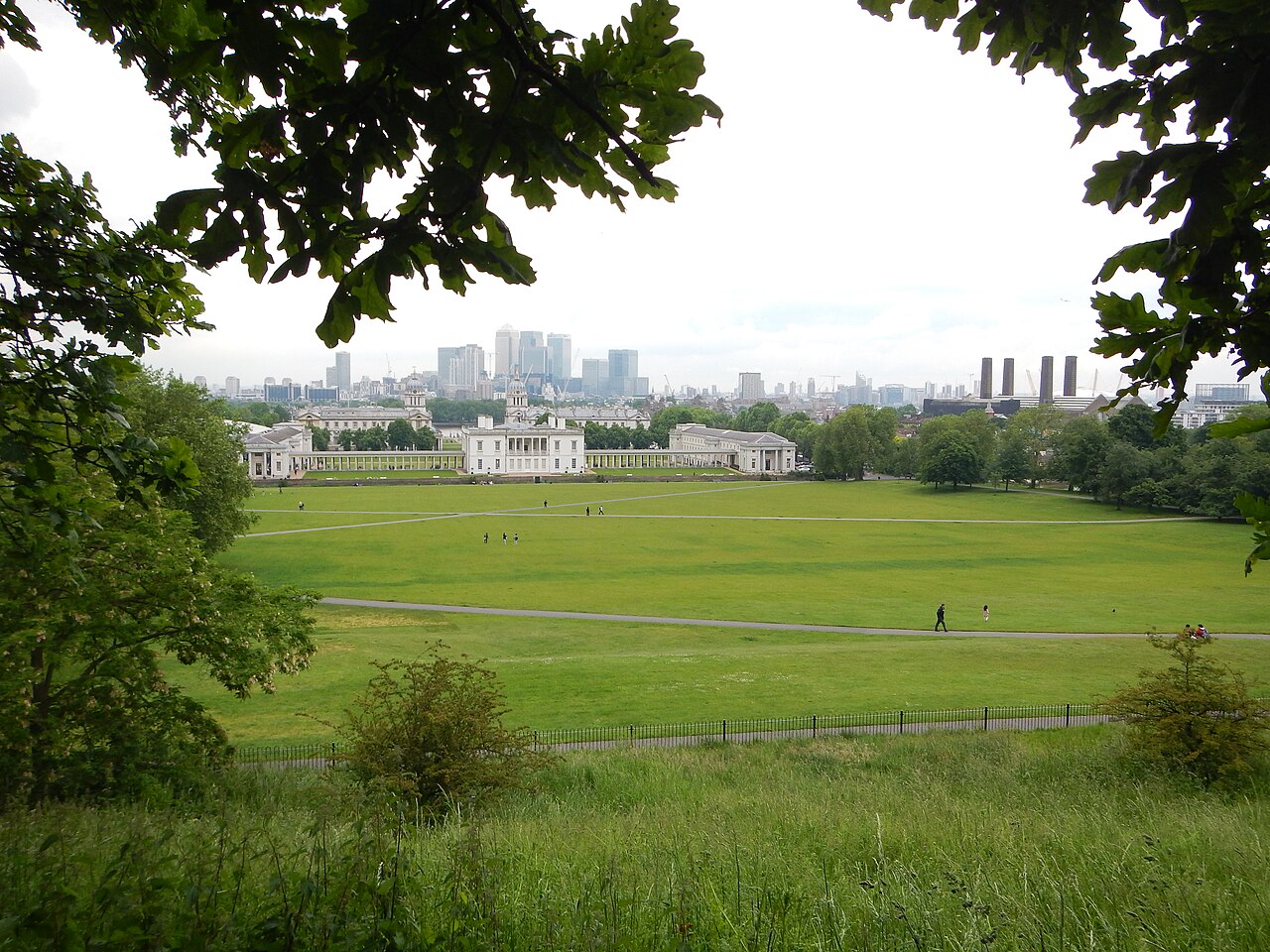
Queen's House to dawna rezydencja królewska w londyńskiej dzielnicy Greenwich, obecnie pełniąca funkcję publicznej galerii sztuki. Zbudowano ją w latach 1616–1635 na terenie nieistniejącego już pałacu Greenwich, kilka mil w dół rzeki od City of London. W obecnym otoczeniu stanowi centralny punkt Old Royal Naval College, z rozległym widokiem prowadzącym ku rzece Tamizie, w obrębie obiektu światowego dziedzictwa zwanego Maritime Greenwich. Architektem Queen's House, Inigiem Jonesem, zleceniodawczyniami były królowa Anna Duńska oraz jej następczyni jako małżonka króla, królowa Henrietta Maria. Dom był królewskim ustroniem i miejscem eksponowania i podziwiania dzieł sztuki zamawianych przez królowe; obejmowało to sufit w Wielkiej Sali, na którym znajdowało się dzieło Orazia Gentileschiego pt. Alegoria Pokoju i Sztuk.
Queen's House jest jednym z najważniejszych budynków w brytyjskiej historii architektury, ponieważ był pierwszym świadomie klasycystycznym budynkiem wzniesionym w tym kraju. Było to pierwsze poważne zlecenie Jonesa po powrocie z jego podróży edukacyjnej po Rzymie, w latach 1613–1615, śladem architektury renesansowej i palladiańskiej we Włoszech. Niektóre wcześniejsze budynki angielskie, jak Longleat i Burghley House, zapożyczały elementy stylu klasycznego, lecz konstrukcja tych budynków nie była oparta na zrozumieniu wzorców klasycznych. Queen's House musiał się wydawać rewolucyjny w tamtym okresie. Choć odbiega on od matematycznych ograniczeń Palladia, Jonesowi często przypisuje się wprowadzenie palladianizmu wraz z budową Queen's House.
Unikalna architektura Queen's House Jonesa obejmuje również takie elementy jak Tulip Stairs, misterne schody z kutego żelaza, które utrzymują się same, oraz Wielką Salę, będącą doskonałym sześcianem.
Tłumaczenie maszynowe artykułu „Queen's House” w angielskiej Wikipedii, CC BY-SA 4.0.
Queen's House zajmuje 380. miejsce na 8134 w rankingu rozpoznawalności zamków tego atlasu i 31. wśród 333 obiektów w Anglii. Data powstania — 1616, wcześniejsza niż u 31% datowanych obiektów atlasu — jeden z 626 obiektów atlasu powstałych w XVII wieku. Artykuły o tym obiekcie w Wikipedii otwarto 8854 razy w ciągu ostatnich 60 dni — więcej niż 92% obiektów atlasu. W promieniu 25 km stoi 27 innych obiektów atlasu. Najbliższy przewodnik na jednodniowy wypad to Londyn, 9 km stąd. Zobacz w statystykach zamków, jak wypada Anglia.
Zobacz na interaktywnej mapie zamków →Najczęstsze pytania
Gdzie znajduje się Queen's House?
Queen's House znajduje się w Anglii, na współrzędnych 51.4812°, -0.00378°.
Z którego roku pochodzi Queen's House?
Atlas podaje rok powstania: 1616. Wcześniejsze budowle mogły stać w tym miejscu — to najstarszy udokumentowany rok.
Które miejsce w rankingu zajmuje Queen's House?
W rankingu rozpoznawalności tego atlasu: 380. miejsce na 8134, 31. miejsce w Anglii. Rozpoznawalność łączy liczbę wersji językowych Wikipedii z liczbą czytelników.
Queen's House — który zamek leży najbliżej?
Pałac Placentii, około 1 km stąd.
Inne zamki w Anglii
- Zamek Arundel Anglia · XI wiek
- Zamek Leeds Anglia · XII wiek
- Zamek w Tintagel Anglia · XIX wiek
- Hever Castle Anglia · XIII wiek
Inne obiekty: pałace
- Wielki Pałac Kremlowski Rosja · XIX wiek
- Pałac Güell Hiszpania · XIX wiek
- Pałac w Rundāle Łotwa · XVIII wiek
- Pałac Cesarski w Kioto Japonia · XIV wiek