Ruin
Castleknock Castle
🇮🇪 Ireland · 12th century
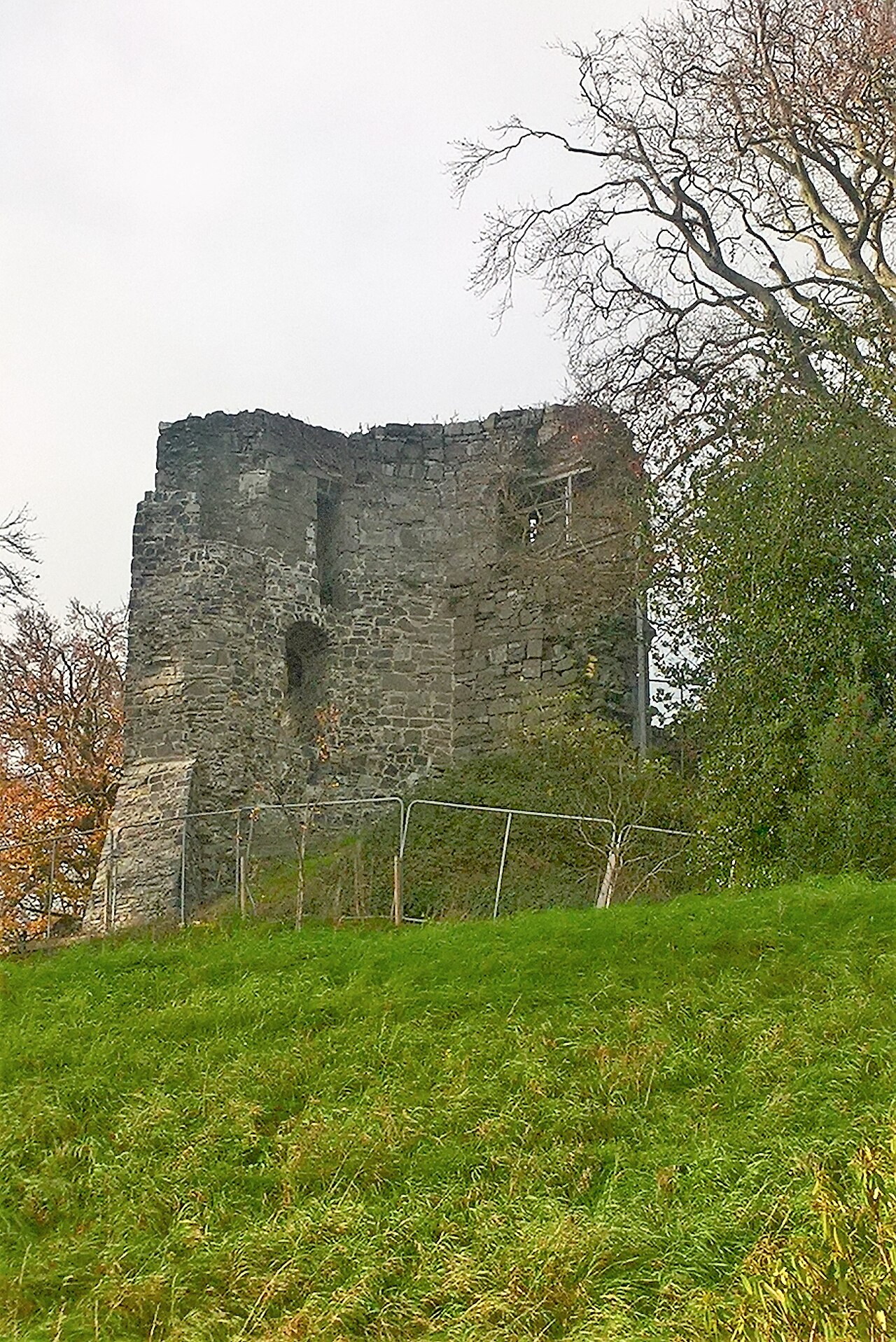
Castleknock Castle is a ruined Norman castle in Dublin, Ireland. It is now the site of St. Vincent's Castleknock College, an all-boys Catholic school. The Irish name of Castleknock is Caisleán Cnucha, derived from the older forms Cnoc and Cnucha mentioned in medieval sources.
There is evidence of the site's importance in pre-modern times. In 1861, an ancient altar tomb known as a cromlech was discovered in the castle's interior.
Several medieval sources, including the Annals of the Four Masters, the Annals of Ulster, and the Annals of Tigernach, mention the site under its Irish name, Cnucha.
During the Anglo-Norman invasion of Ireland, Castleknock was the final rallying point for the forces of the last High King of Ireland, Rory O'Connor. Following the triumph of the Anglo-Normans, the knight Hugh Tyrrel was granted the barony of Castleknock, where he would construct a castle by the same name, choosing the location for its command over the route to Dublin. The newly built fortress was equipped with the latest technology in warfare, featuring heavy battlements and two deep ditches.
In 1184, the Abbey of St. Brigid was founded by Richard Tyrrel, the second Baron of Castleknock. The abbey continued to flourish until it was demolished as part of the dissolution of the monasteries in the 16th century, when it was replaced by a Protestant church.
During the First War of Scottish Independence, the Scottish king Robert the Bruce launched an invasion of Ireland. In 1317, his forces, led by his brother Edward Bruce, captured Castleknock Castle while en route to besiege Dublin with a force of 20,000 men. The Baron of Castleknock and his wife were taken prisoner and Edward made the castle his headquarters. The capture, however, did not last long, as Edward lacked the necessary supplies for a prolonged siege in such a well-fortified location. The two prisoners were made to pay a ransom and then freed, with the Scottish forces vacating Castleknock the next day.
In the late medieval period, a legend sprang up surrounding the kidnapping of Eibhleen O'Brinn, the daughter of a Wicklow chieftain. According to the legend, the brother of the Baron of Castleknock, possibly Roger Tyrrel, abducted her and imprisoned her in the castle's turret. Eibhleen, fearing the worst for herself, opted for suicide, using her breast-pin to open a vein in her neck.
Text adapted from “Castleknock Castle” on Wikipedia, CC BY-SA 4.0.
Castleknock Castle ranks #5,874 of 8,134 worldwide in the atlas's castle fame ranking, and #119 of the 173 mapped in Ireland. Founded c. 1150, it is older than 81% of the atlas's dated landmarks — one of 564 atlas entries founded in the 12th century. 20 more atlas landmarks stand within 25 km. The nearest day-trip guide is Dublin, 7 km away. See how Ireland compares in the castle statistics.
View on the interactive castle map →Frequently asked questions
Where is Castleknock Castle?
Castleknock Castle stands in Ireland, at 53.3682°, -6.366°.
When was Castleknock Castle built?
The atlas dates its founding to c. 1150. Earlier structures may have stood on the site; this is the earliest documented founding year.
How famous is Castleknock Castle?
In this atlas's fame ranking: #5,874 of 8,134 worldwide, and #119 in Ireland. Fame here combines how many Wikipedia language editions cover a landmark with how many people read them.
What is the nearest castle to Castleknock Castle?
Ashtown Castle, about 2 km away.
More castles in Ireland
- Enniscorthy Castle Ireland · 12th century
- Foulksrath Castle Ireland · 14th century
- Tinnahinch Castle Ireland
- Ballymarkahan Castle Ireland · 15th century
More ruins
- Vecdole Castle Latvia · 13th century
- Viļaka Castle Latvia · 13th century
- Ballycarbery Castle Ireland · 14th century
- Carrickkildavnet Castle Ireland · 15th century