Palace
Chateau d'Asnières
 France
- Architect
- Jacques Hardouin-Mansart de Sagonne
- Heritage status
- classified historical monument
- Location
- Asnières-sur-Seine
- Coordinates
- 48.9103°, 2.29361°
- Open data
- Wikidata Q2968138
Description
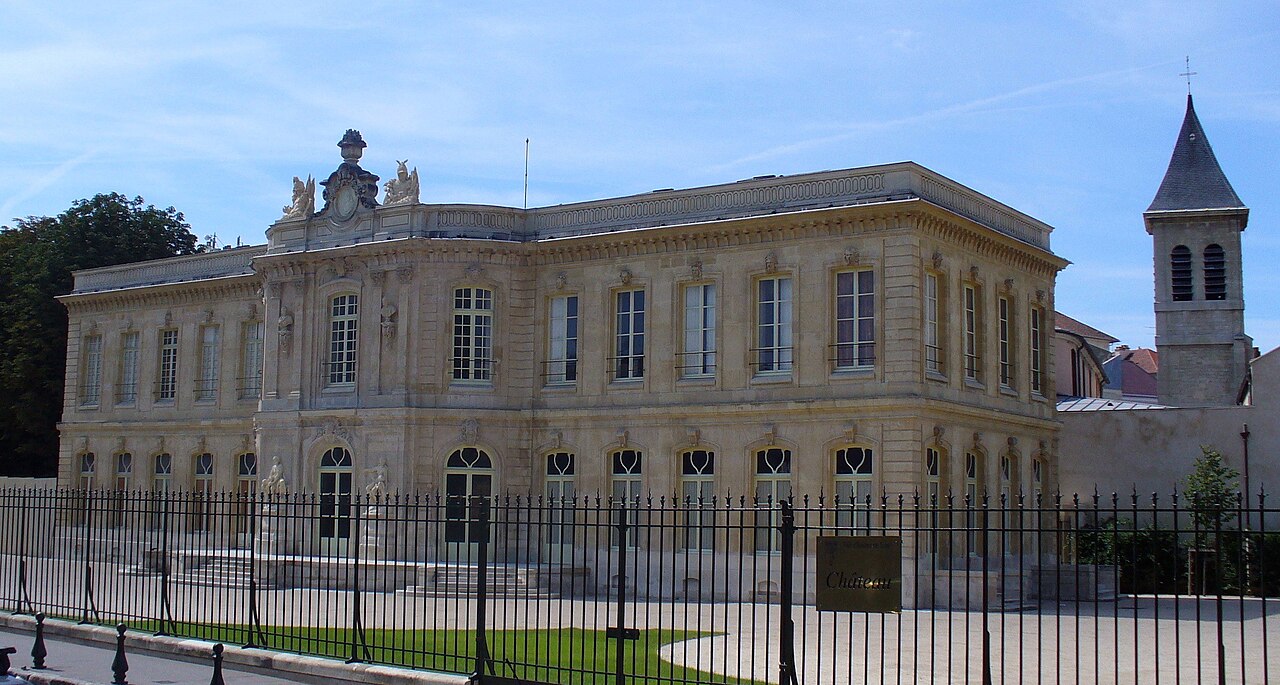
The Château d'Asnières (French pronunciation: [ʃɑto dɑnjɛʁ]) is a stately home at 89 Rue du Château in the Parisian suburb of Asnières-sur-Seine in Hauts-de-Seine, France.
With adjoining stables at the edge of its grounds (capable of housing 120 horses and known as the "entrepôt général" or central depot for the Asnières stud), the château was one of the finest estates near Paris in the mid 18th century. It shows the artistic ambitions of Marc-René d'Argenson, marquis de Voyer, who gathered the best artists and craftsmen of his time to work on the building—the architect Jacques Hardouin-Mansart de Sagonne, the craftsman Nicolas Pineau, the sculptor Guillaume Coustou the Younger, the painters Brunetti and Jean-Baptiste Marie Pierre, and the bronze worker Jacques Caffieri. Its gallery contained one of the best collections of Flemish and Dutch art of the period along with some of the largest cabinet furniture.
D'Argenson wished to replace the marquis de Marigny, directeur des Bâtiments, Arts et Manufactures du Roi, brother of Madame de Pompadour, and to rival the sumptuous residences built by the duc de Richelieu at Gennevilliers, the duc de Choiseul at Clichy, by his family's enemy Madame de Pompadour at Bellevue and even by his own father at Neuilly.
He bought the château in January 1750 from Amy Pictet, a Paris banker, procurer for Isaac Thélusson, Genevan ambassador and a famous Swiss banker. The price was 60,000 livres for the building and 15,000 for the furniture. Little by little it became the central point in a vast estate. Until 1756, that estate would be formed by forcing the inhabitants of the village into long leases. The marquis' house was built on the site of a late 17th-century house built by Antoine Lemoyne, priest-doctor at the Sorbonne, which during the Regency had belonged to the famous comtesse de Parabère, the regent's mistress, who was often visited there by him.
The marquis also acquired part of the village church to become his chapel. He became director of the king's stud in 1752 and thus needed new lands to build a centre for reorganising it—these were built to designs by Mansart de Sagonne between 1752 and 1755 as a large stone-vaulted building where horses could be dressed before being sent back to the other royal studs. Their site was to the right of the present-day bridge in Asnières.
Text adapted from “Château d'Asnières” on Wikipedia, CC BY-SA 4.0.
In the rankings
Chateau d'Asnières ranks #5,853 of 9,040 worldwide in the atlas's castle fame ranking, and #521 of the 787 mapped in France. 47 more atlas landmarks stand within 25 km. The nearest day-trip guide is Paris, 7 km away. See how France compares in the castle statistics.
Castles nearby
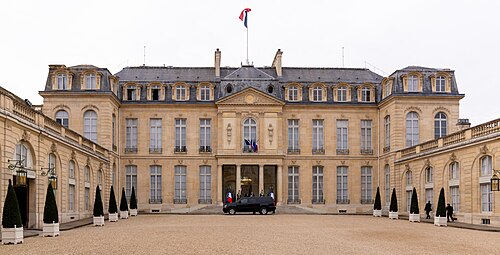
- Élysée Palace5 km · France
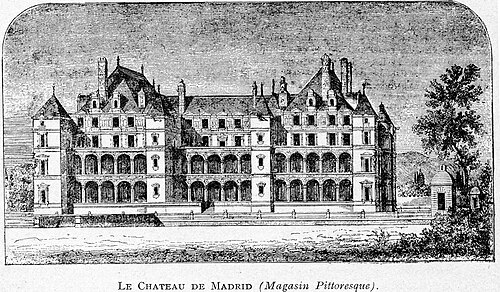
- Château de Madrid5 km · France
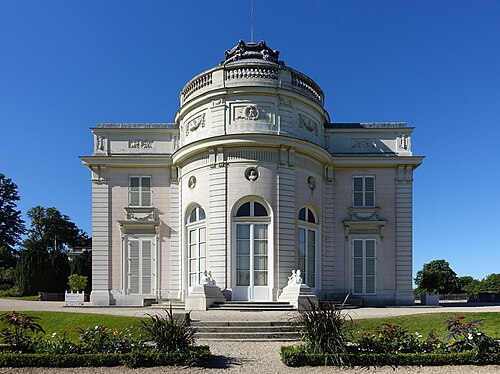
- Château de Bagatelle5 km · France
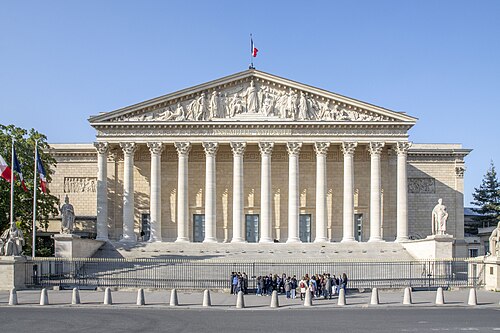
- Palais Bourbon6 km · France
More castles in France
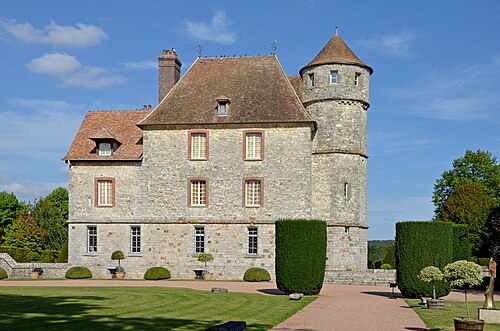
- Château de VascœuilFrance
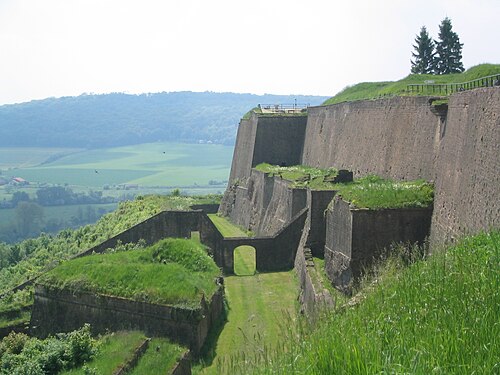
- Citadelle de MontmédyFrance · 16th century
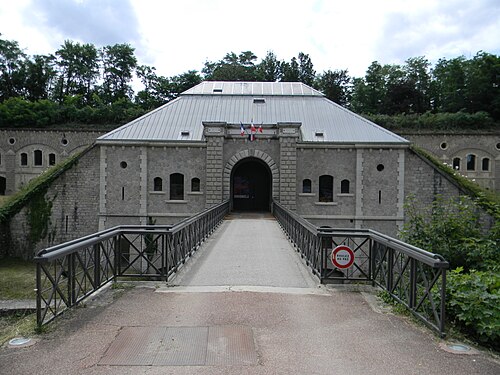
- Fort du BruissinFrance · 19th century
- Fort de la DuchereFrance · 19th century