 Angola · 16th century
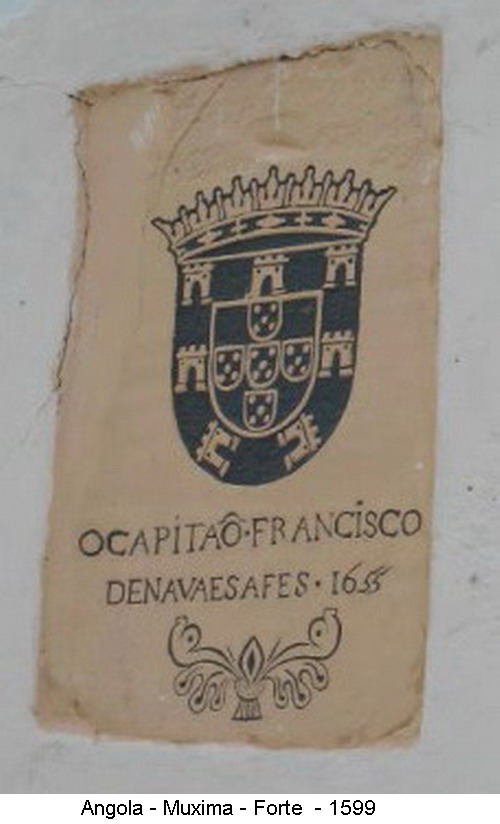
Fortress of Muxima ranks #6,231 of 9,040 worldwide in the atlas's castle fame ranking, and #2 of the 3 mapped in Angola. Founded 1599, it is older than 31% of the atlas's dated landmarks, one of 887 atlas entries founded in the 16th century. See how Angola compares in the castle statistics.
The Fortress of Muxima (Portuguese: Fortaleza de Muxima), built of stone and mortar in 1599, is situated in the Bengo Province of Angola on the Cuanza River.
Established in 1599, the Fortress of Muxima is located on the left bank of the Cuanza River in the town of Muxima, in Bengo Province. It was the first prison of the Angolan occupation period. It helped advance penetration to the interior of the Angolan territory and defend against the Angolan people who offered resistance to the Portuguese colonizers and other colonial potentates whose ships traveled the Cuanza River looking for slaves. Its building would come to support trading relationships including ivory trade and slave trafficking. The Fortress was used as the base of support for Portuguese forces when they traveled to the interior instigating raids and promoting Portuguese interests during the Kwata-Kwata Wars (wars among the Africans who, working with the Europeans, captured other Africans for slavery).
Captives were forced to walk to the town of Calumbo or were transported by boat on the Cuanza River to the Muxima harbor where they were shipped to the Americas. The Fortress was classified as a National Monument by Provincial Decree No. 2, of 12 January 1924. The Fortress is a state property but is badly preserved. The Ministry of Culture is responsible for its maintenance and preservation.
This site was added to the UNESCO World Heritage Tentative List on 22 November 1996 in the Cultural category.
Text adapted from “Fortress of Muxima” on Wikipedia, CC BY-SA 4.0.
View on the interactive castle map →