Ruin
Konosumiyama Castle
🇯🇵 Japan · 14th century
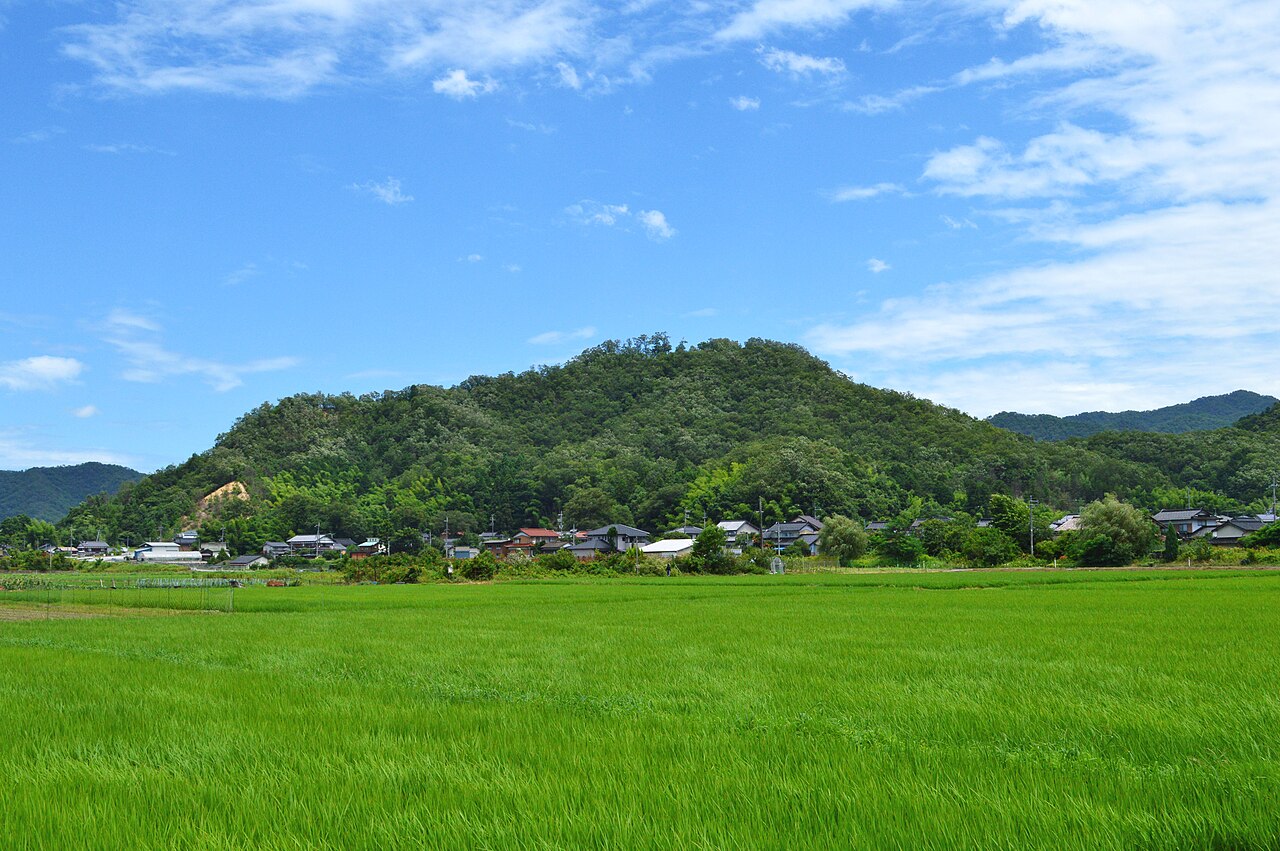
Konosumiyama Castle (此隅山城, Konosumiyama-jō) was a Muromachi to Sengoku period Japanese castle located in the Izushi neighborhood of the city of Toyooka, Hyōgo Prefecture, Japan. Its ruins, along with the ruins of nearby Arikoyama Castle have been protected as a National Historic Site since 1934 under the designation "Yamana clan castle ruins".
Konosumiyama Castle is located approximately two kilometers north of the center of former Izushi city and three kilometers from the southeast edge of the Toyooka basin in northern Hyogo. The location controlled the ancient San'in highway connecting the Kinai region of Japan with the San'in region and was near the political and economic center of Tajima Province. The area came under the control of the Yamana clan, a cadet branch of the Nitta clan in the Muromachi period. The Yamana clan had close relations with the Ashikaga shogunate and was one of four clans with hereditary rights to the position of Samurai-dokoro.
The Yamana leveraged their position to eventually claim the position of shugo over 11 of the 66 provinces of Japan. However, the Ashikaga grew fearful of the expanding power of the clan, and Shogun Ashikaga Yoshimitsu encouraged internal conflicts within the clan and sponsored the Hosokawa clan in its position of kanrei of offset the Yamana. By the middle of the 15th century, the power the Ashikaga shogunate began to decline, and a succession dispute within the shogunate led to the Ōnin War from 1467 to 1477.
Konosumiyama Castle was constructed in the 15th century as the main base of the clan by Yamana Sozen (1404–1473). The Yamana clan led the western forces in the war, and his rival, Hatakeyama Katsumoto led the eastern army. After years of inconclusive fighting, Kyoto lay in ruins, the rival candidates for the position of Shogun had died, and both Yamana Sōzen and Hatakeyama Katsumoto had died of illness; yet having inflamed ancient rivalries, the war continued into the provinces. The Yamana clan, which had been at the height of its power at the start of the war, was so weakened that it could not suppress local revolts, and by the year 1500 had been reduced only to Inaba and Tajima Provinces.
Even in these areas, the Yamana were mostly nominal overlords, and powerful local retainers had emerged as petty warlords. Yamana Suketoyo (1511-1580) was briefly able to bring the retainers back into line.
Text adapted from “Konosumiyama Castle” on Wikipedia, CC BY-SA 4.0.
Konosumiyama Castle ranks #5,304 of 8,134 worldwide in the atlas's castle fame ranking, and #254 of the 297 mapped in Japan. Founded 1372, it is older than 56% of the atlas's dated landmarks — one of 604 atlas entries founded in the 14th century. 3 more atlas landmarks stand within 25 km. The nearest day-trip guide is Himeji, 77 km away. It is one of the 71 landmarks on the atlas's regional map of Kansai. See how Japan compares in the castle statistics.
View on the interactive castle map →Frequently asked questions
Where is Konosumiyama Castle?
Konosumiyama Castle stands in Japan, at 35.48772°, 134.87281°.
When was Konosumiyama Castle built?
The atlas dates its founding to 1372. Earlier structures may have stood on the site; this is the earliest documented founding year.
How famous is Konosumiyama Castle?
In this atlas's fame ranking: #5,304 of 8,134 worldwide, and #254 in Japan. Fame here combines how many Wikipedia language editions cover a landmark with how many people read them.
What is the nearest castle to Konosumiyama Castle?
Izushi Castle, about 3 km away.
More castles in Japan
- Minato Castle Japan · 15th century
- Kōkokuji Castle Japan
- Kaneyama Castle Japan · 16th century
- Kōnomine Castle Japan · 16th century
More ruins
- Mongchontoseong South Korea · 3rd century
- Pungnaptoseong South Korea
- Samnyeonsanseong South Korea · 5th century
- Cizre Castle Turkey