 Romania · 15th century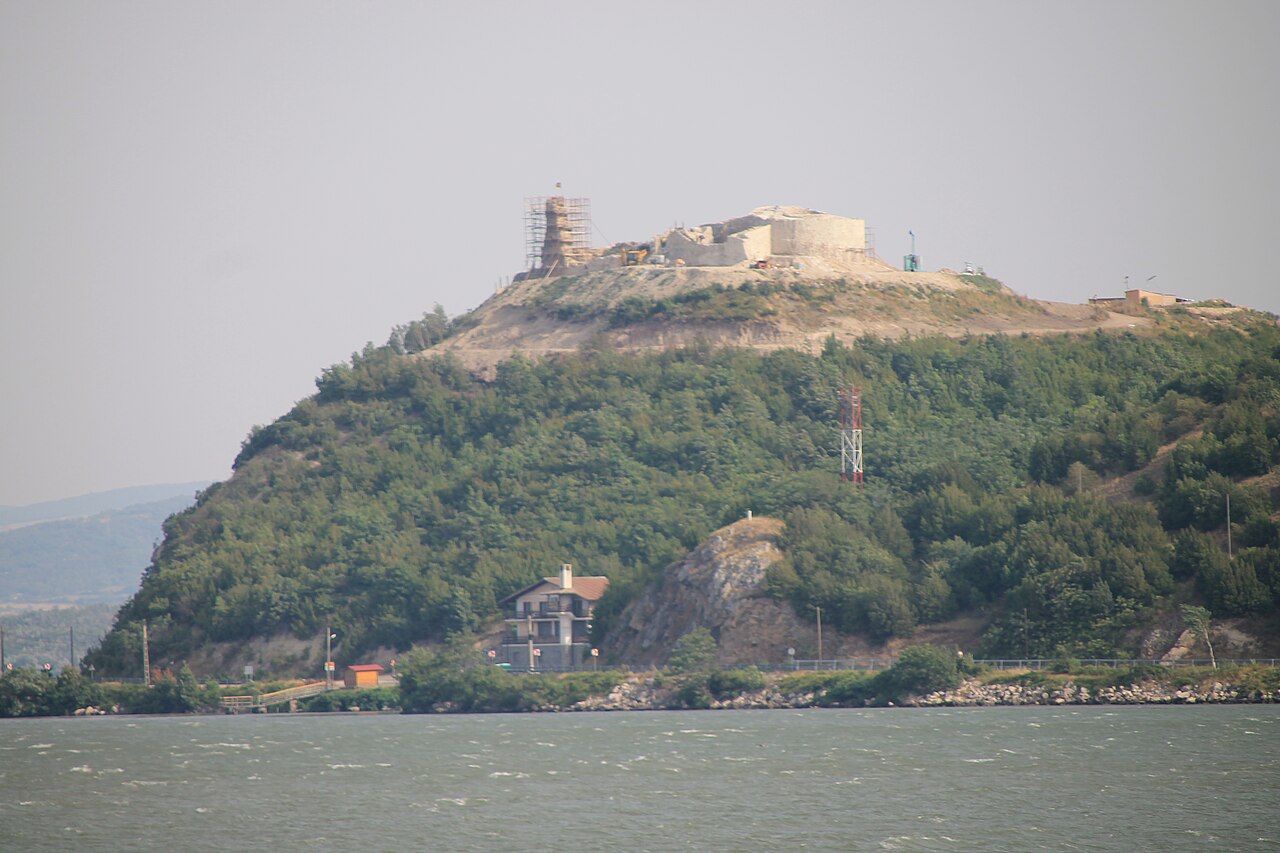
Ladislaus Fortress (the Donjon at Coronini), or the Fortress of Saint Ladislaus, was a medieval fortress of the Kingdom of Hungary entrusted for a short time (1429–1435) to the Teutonic Knights. Its ruins are in the commune of Coronini (formerly Vărad, in Hungarian Lászlóvára) in Caraș-Severin County. It was completed by Sigismund of Luxembourg and dedicated to Saint Ladislaus. On the opposite bank of the Danube stands Golubac Fortress.
Machine-translated from “Cetatea Ladislau (Donjonul de la Coronini)” on the Romanian Wikipedia, CC BY-SA 4.0.
Ladislaus Fortress ranks #5,536 of 9,035 worldwide in the atlas's castle fame ranking, and #51 of the 125 mapped in Romania. Founded 1427, it is older than 49% of the atlas's dated landmarks, one of 556 atlas entries founded in the 15th century. Its Wikipedia articles were opened 1,475 times in the last 60 days, more than 61% of the atlas. 1 more atlas landmarks stand within 25 km. The nearest day-trip guide is Kragujevac, 95 km away. See how Romania compares in the castle statistics.
View on the interactive castle map →