 Ukraine · 14th century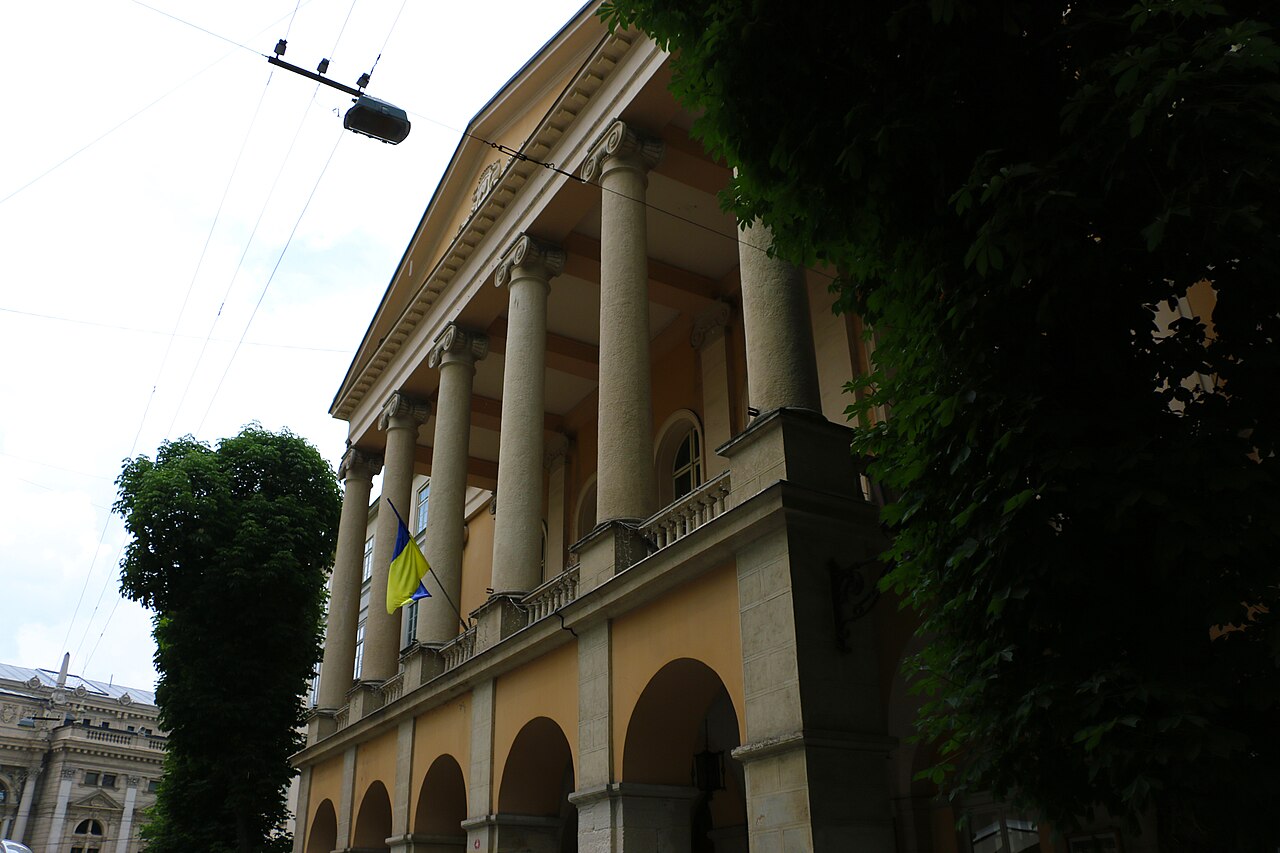
The Low Castle in Lviv – one of two castles in Lviv built in the 14th century by King Casimir the Great. It served as the seat of the representative of royal authority in the city, while the far better fortified and more favourably situated High Castle was a castle of a typically defensive character.
According to the Kraków Cathedral Chronicle, written around 1370, the Low Castle in Lviv was built by the King of Poland Casimir the Great. The castle was located in the north-eastern corner of the city laid out on the king's orders, and from the beginning it was incorporated into the system of the city walls. The castle survived in its original form until the fire of 1565. It consisted of a masonry part with an Orthodox church and later the chapel of St Catherine. On the city side there were a kitchen, rooms for the clergy, stables and outbuildings. From the 16th century the castle was the seat of the starosta, and the town court records were also kept here.
After the First Partition of Poland the Austrians ordered the buildings to be demolished. In the mid-19th century the Skarbek Theatre was erected on the site of part of the buildings; the rest remained an empty square, which for several years has housed a market (the "Lviv Vernissage") selling, among other things, antiques and folk art products.
Machine-translated from “Niski Zamek we Lwowie” on the Polish Wikipedia, CC BY-SA 4.0.
Niski Zamek we Lwowie ranks #7,755 of 9,079 worldwide in the atlas's castle fame ranking, and #114 of the 195 mapped in Ukraine. Founded c. 1350, it is older than 55% of the atlas's dated landmarks — one of 755 atlas entries founded in the 14th century. 8 more atlas landmarks stand within 25 km. See how Ukraine compares in the castle statistics.
View on the interactive castle map →