Palace
Palazzo Farnese
 Italy · 16th century
- Founded
- 1515
- Style
- Renaissance architecture
- Architect
- Giacomo della Porta, Antonio da Sangallo the Younger, Michelangelo
- Location
- Rome
- Coordinates
- 41.89469°, 12.47081°
- Open data
- Wikidata Q848386
- Links
- Wikimedia Commons
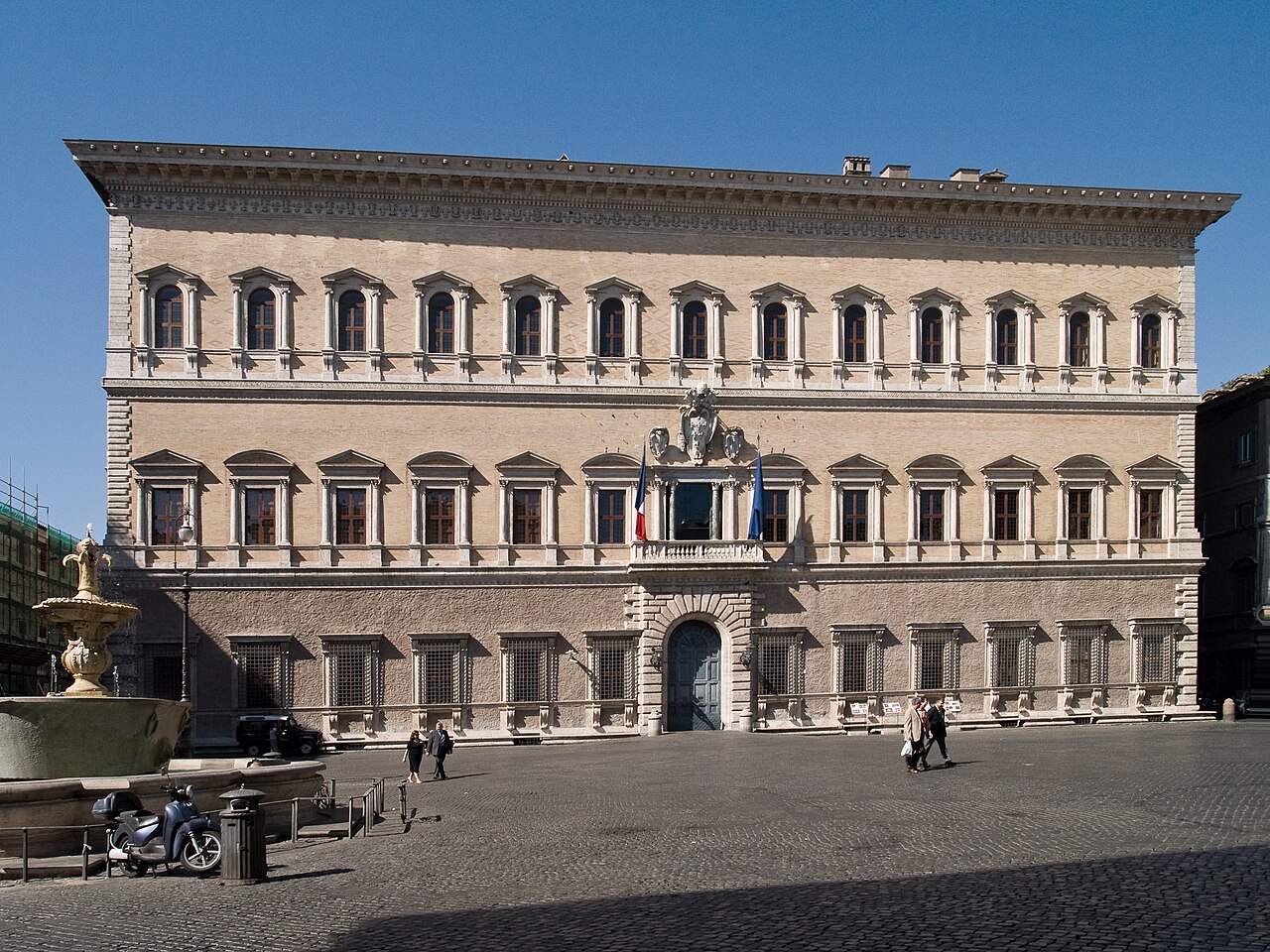
Description
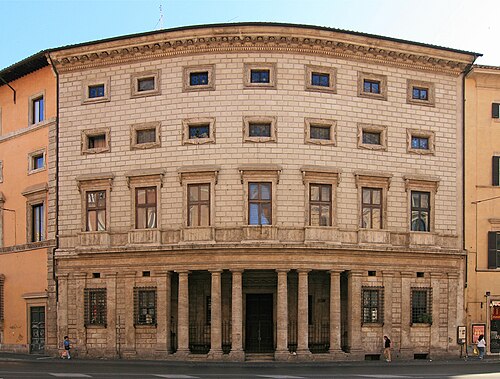
Palazzo Farnese ([paˈlattso farˈneːze, -eːse]) or Farnese Palace is one of the most important High Renaissance palaces in Rome. Owned by the Italian Republic, it was given to the French government in 1936 for a period of 99 years, and currently serves as the French Embassy in Italy.
First designed in 1517 for the Farnese family, the building expanded in size and conception when Alessandro Farnese became Pope Paul III in 1534, to designs by Antonio da Sangallo the Younger. Its building history involved some of the most prominent Italian architects of the 16th century, including Michelangelo, Jacopo Barozzi da Vignola and Giacomo della Porta.
At the end of the 16th century, the important fresco cycle of The Loves of the Gods in the Farnese Gallery was carried out by the Bolognese painter Annibale Carracci, marking the beginning of two divergent trends in painting during the 17th century, the Roman High Baroque and Classicism. The famous Farnese sculpture collection, now in the National Archeological Museum of Naples, as well as other Farnese collections, now mostly in Capodimonte Museum in Naples, were accommodated in the palace.
Text adapted from “Palazzo Farnese” on Wikipedia, CC BY-SA 4.0.
In the rankings
Palazzo Farnese ranks #184 of 9,902 worldwide in the atlas's castle fame ranking, and #14 of the 624 mapped in Italy. Founded 1515, it is older than 42% of the atlas's dated landmarks, one of 933 atlas entries founded in the 16th century. Its Wikipedia articles were opened 19,303 times in the last 60 days, more than 97% of the atlas. 65 more atlas landmarks stand within 25 km. The nearest day-trip guide is Rome, 1 km away. See how Italy compares in the castle statistics.
Castles nearby
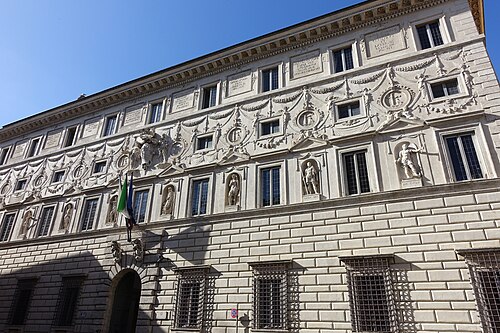
- Palazzo Spada1 km · Italy
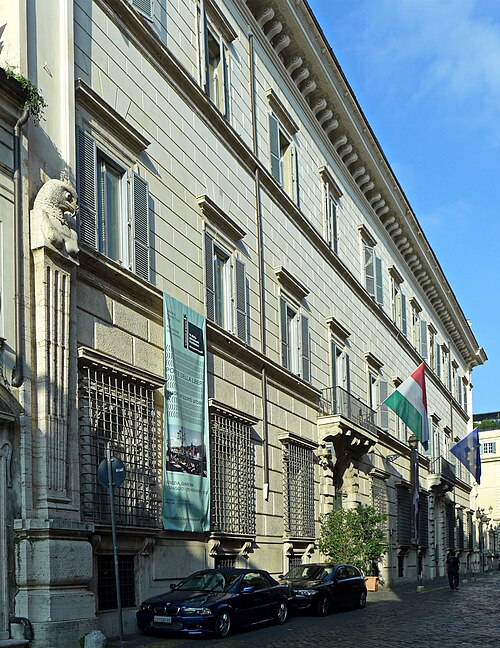
- Palazzo Falconieri1 km · Italy
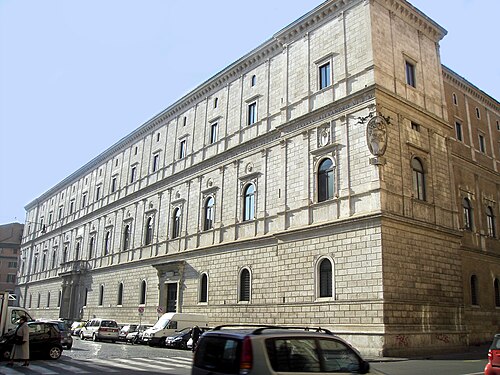
- Palazzo della Cancelleria1 km · Italy
- Palazzo Massimo alle Colonne1 km · Italy
More castles in Italy
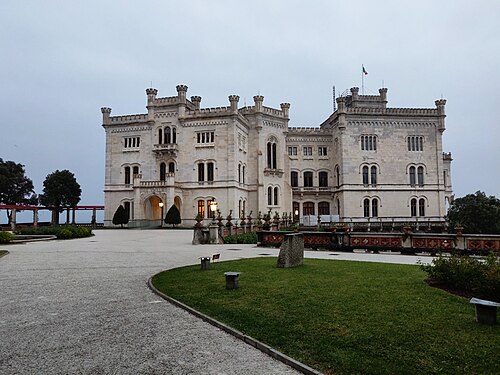
- Miramare CastleItaly · 19th century
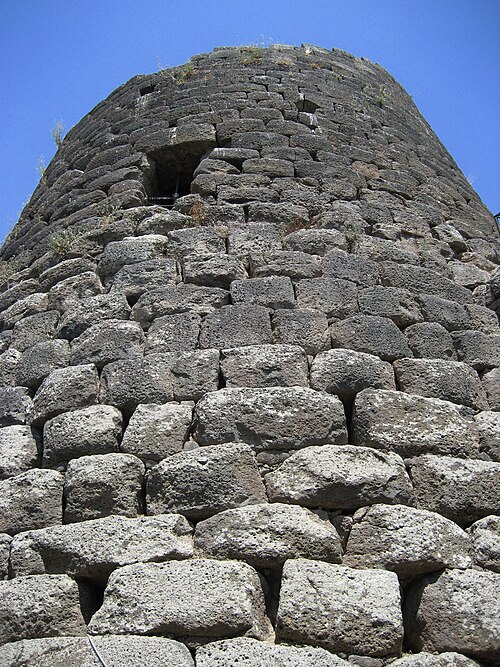
- Su Nuraxi di BaruminiItaly · 17th century BC
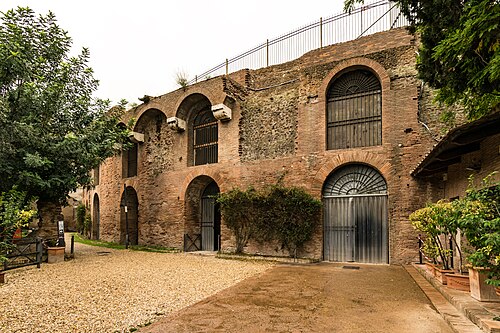
- Domus AureaItaly · 1st century
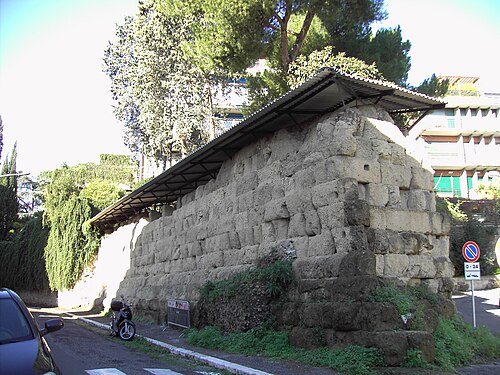
- Servian WallItaly · 4th century BC