Castle
Tauragė Castle
 Lithuania · 19th century
- Founded
- 1844
- Style
- Renaissance Revival architecture
- Coordinates
- 55.2525°, 22.28417°
- Open data
- Wikidata Q16473929
- Links
- Wikimedia Commons
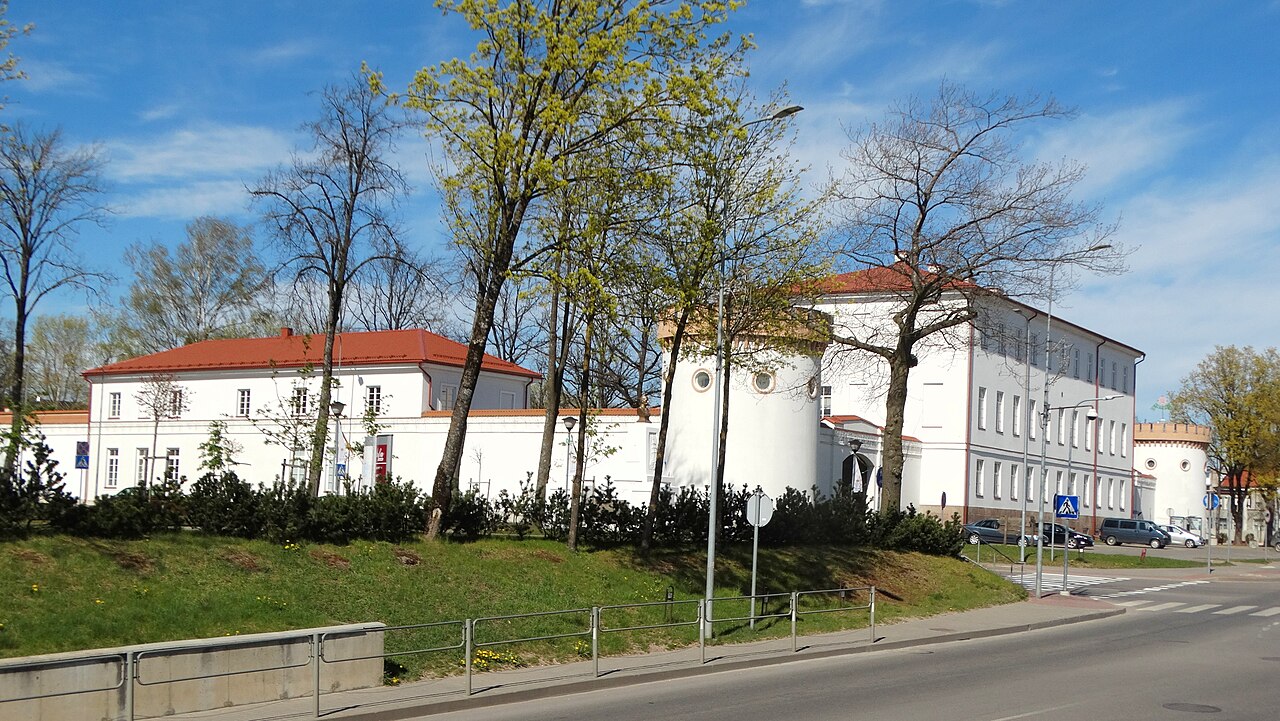
Description
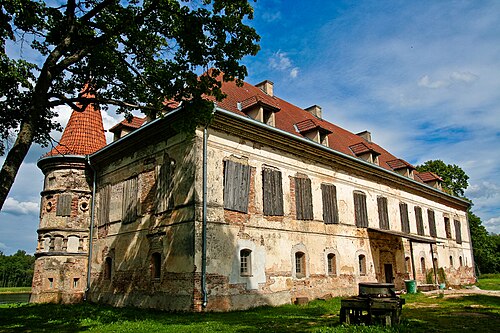
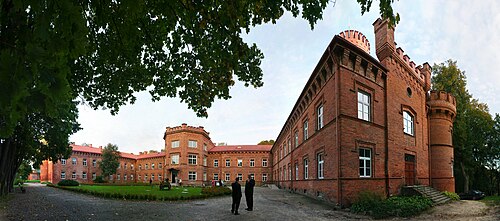
Tauragė Castle (Lithuanian: Tauragės pilis) is a 19th-century masonry building in Tauragė, near the Baltic Coast. It was originally built between 1844 and 1847 to serve as a customs building.
A major fire devastated Tauragė in 1836. Consequently, the Tsarist authorities issued an order to prepare a new project for the city's construction that included a customs house that later became Tauragė Castle.
The initial two-story customs building was completed in 1847. The initial building also served as a prison for smugglers and illegal immigrants. The compound was expanded in the late 19th century with a bathhouse, sauna, water well, several auxiliary buildings and stone wall with corner towers. The compound was later expanded twice – new buildings were added in 1971 and 1986.
Since the 1900s, this castle has been repurposed multiple times and has housed psychiatric hospital, county hospital, military barracks and commerce school. It has also housed a middle school and a restaurant.
Tauragė Castle houses a museum and children's library. The castle also hosts various exhibitions, events and celebrations.
Text adapted from “Tauragė Castle” on Wikipedia, CC BY-SA 4.0.
In the rankings
Tauragė Castle ranks #3,772 of 9,902 worldwide in the atlas's castle fame ranking, and #23 of the 32 mapped in Lithuania. Founded 1844, it is older than 9% of the atlas's dated landmarks, one of 782 atlas entries founded in the 19th century. See how Lithuania compares in the castle statistics.
Castles nearby
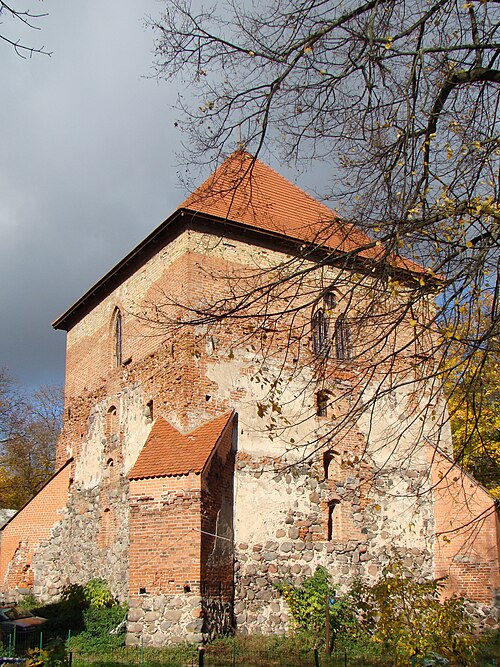
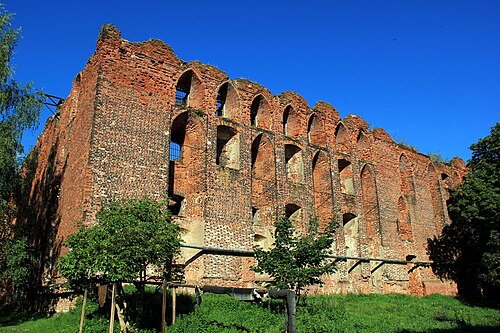
- Ragnit Castle
 29 km · Russia
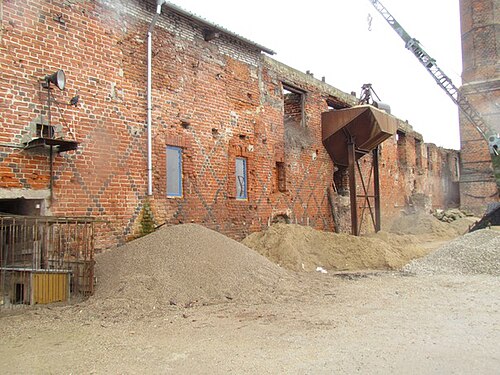
- Schloss Tilsit31 km · Russia
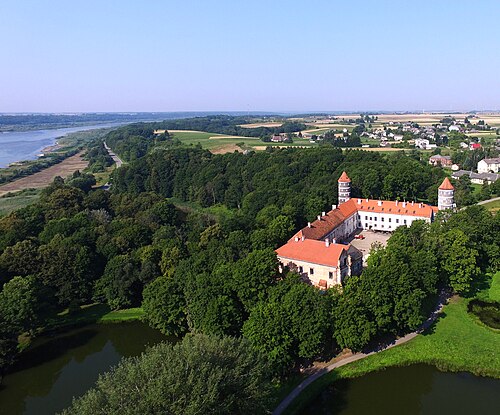
- Panemunė Castle48 km · Lithuania
- Raudonė Castle56 km · Lithuania
More castles in Lithuania
- Trakai Peninsula CastleLithuania · 14th century
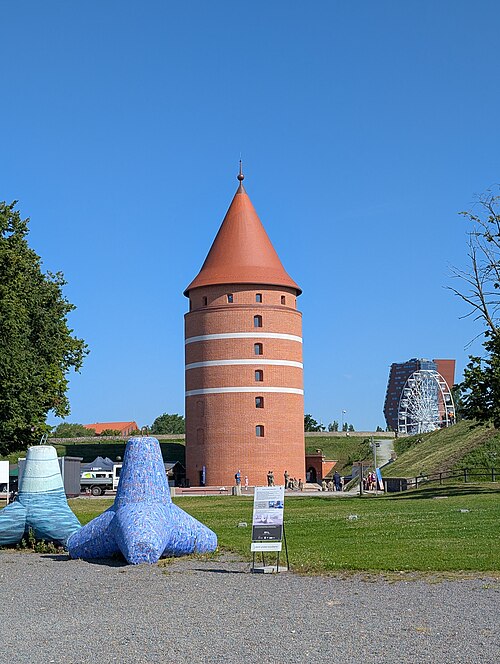
- Klaipėda CastleLithuania · 13th century
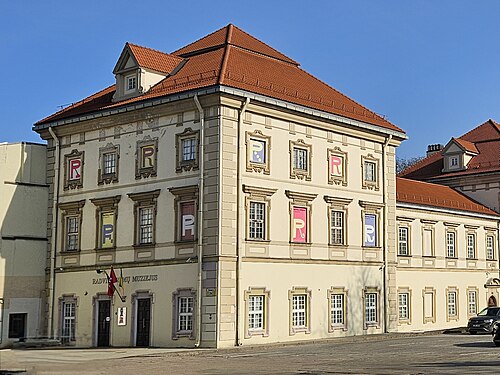
- Radvila PalaceLithuania · 17th century
- Siesikai CastleLithuania · 16th century