Castle
Toyama Castle
 Japan · 16th century
- Founded
- 1543
- Heritage status
- Registered Tangible Cultural Property of Japan
- Location
- Toyama
- Coordinates
- 36.6933°, 137.211°
- Open data
- Wikidata Q911975
- Links
- Wikimedia Commons · Plan
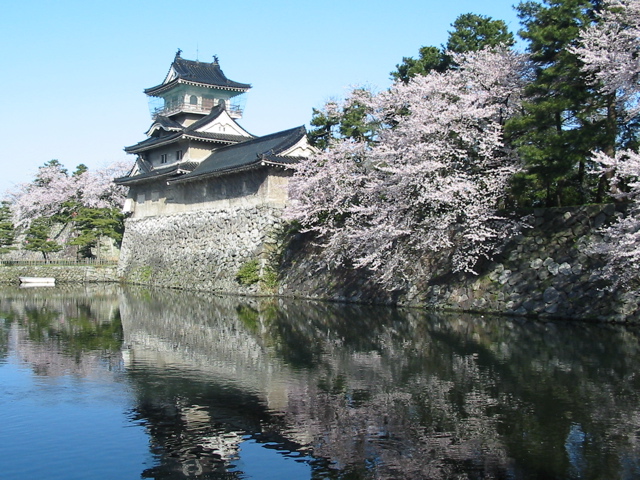
Description
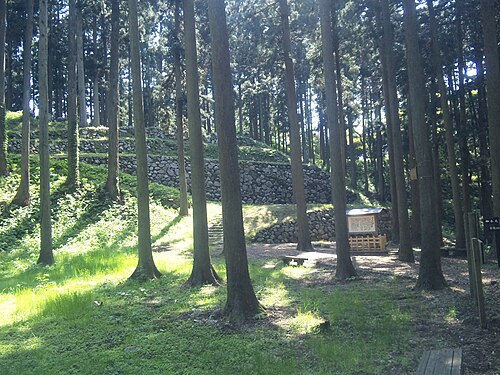
Toyama Castle (富山城, Toyama-jō) is a flatland-style Japanese castle located in the city of Toyama, Toyama Prefecture, in the Hokuriku region of Japan. It is also called Azumi Castle (安住城 Azumi-jō). Built in 1543, the castle and its surrounding land is maintained by the government of Japan as a public park.
Toyama Castle is located at the center of modern current Toyama city. The surrounding area is roughly in the geographic center of Etchū Province and is a wide plain with a number of large rivers. A fortification was initially erected on this location in 1543 on the banks of the Jinzū River by the local Jinbō clan, who governed western Etchū Province as retainers of the Hatakeyama clan. Eastern Etchū Province was governed by their rivals, the Shiina clan, who were also retainers of the Hatakeyama. As the Hatakeyama waned in power and influence in the 15th century, the two clans waged a constant war for dominance over Etchū, with the Ikkō-ikki helping play one side against the other.
In the 1550s, the Jinbō clan overwhelmed the Shiina; however, the Shiina made an alliance with Uesugi Kenshin, who captured Toyama Castle in 1570 after a fierce back-and-forth struggle. The leader of the Jinbō clan fled to Oda Nobunaga. The Uesugi plan placed Kojima Motoshige, a former retainer of the Jinbō, in charge of the castle as castellan, and he suppressed an attack by the Ikkō-ikki in 1571. Due to a plot by Takeda Shingen, the Shiina then revolted against Kenshin, but were defeated. After Kenshin's death, Nobunaga extended his power into the region, placing Jinbō Nagatsumi back in charge of Toyama Castle in 1578.
However, due a revolt by his retainers Jinbō Nagatsumi lost control of Toyama Castle in 1581. Nobunaga was unforgiving of this incompetence, and installed his general Sassa Narimasa in his place. The Jinbō clan then disappears from history (with the major exception of the place name, Jinbōchō, Tokyo after a surviving clan member who entered the service of Tokugawa Ieyasu). Under Sassa Narimasa, the castle was greatly expanded in size, and new moats and towers were added. Narimasa also began a series of flood control works which gradually transformed the area surrounding the castle from a marsh to rich rice lands.
After Nobunaga's assassination in the Honnoji Incident of 1585, there was a falling out between Sassa Narimasa and Toyotomi Hideyoshi.
Text adapted from “Toyama Castle” on Wikipedia, CC BY-SA 4.0.
In the rankings
Toyama Castle ranks #987 of 9,902 worldwide in the atlas's castle fame ranking, and #50 of the 295 mapped in Japan. Founded 1543, it is older than 40% of the atlas's dated landmarks, one of 933 atlas entries founded in the 16th century. Its Wikipedia articles were opened 7,375 times in the last 60 days, more than 92% of the atlas. 3 more atlas landmarks stand within 25 km. See how Japan compares in the castle statistics.
Castles nearby
- Masuyama Castle16 km · Japan
- Takaoka Castle18 km · Japan
- Matsukura Castle22 km · Japan
- Nanao Castle41 km · Japan
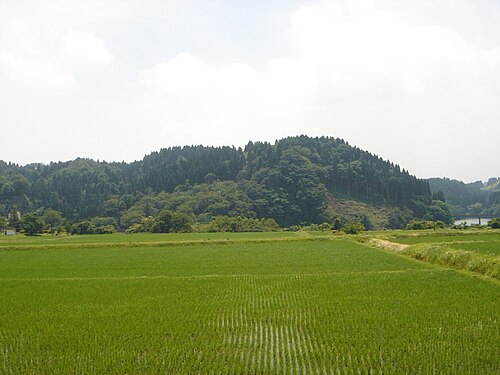
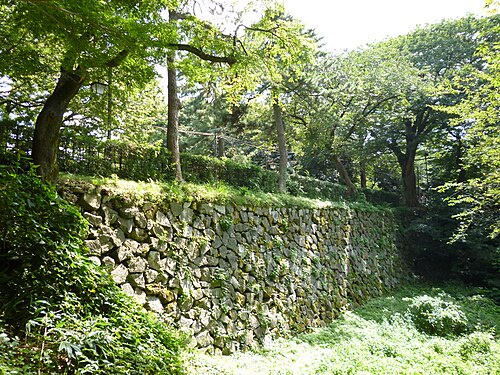
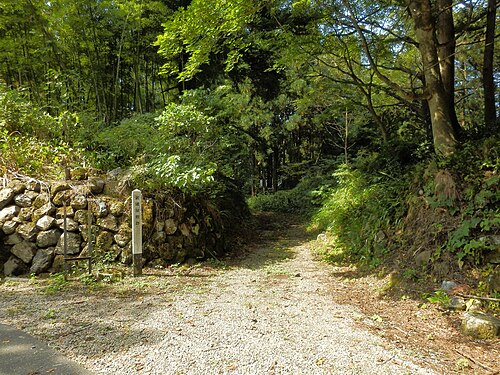
More castles in Japan
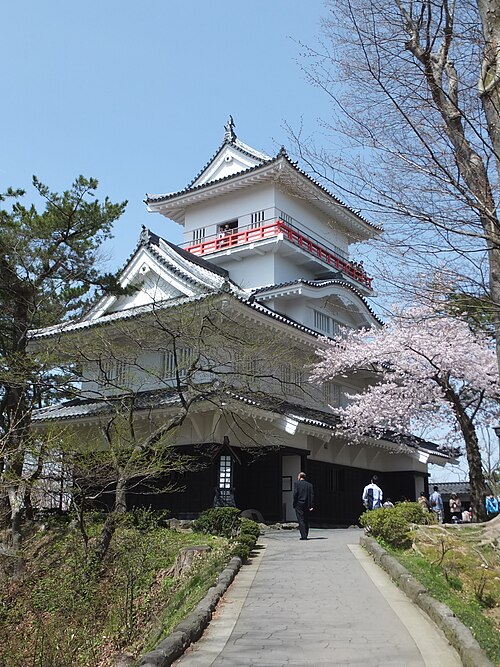
- Kubota CastleJapan · 17th century
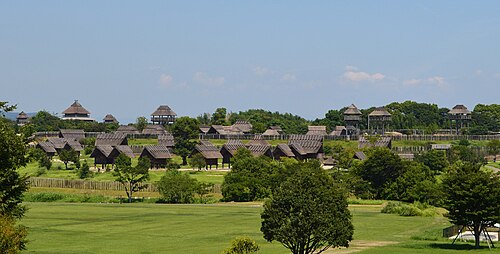
- Yoshinogari siteJapan · 4th century BC
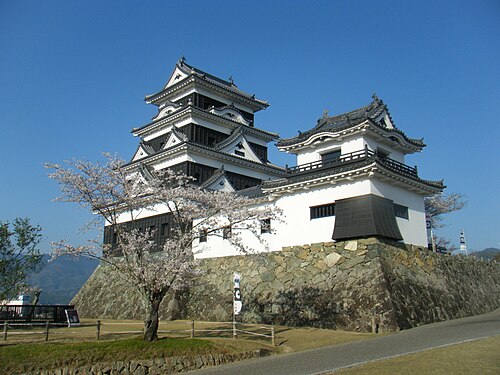
- Ōzu CastleJapan · 14th century
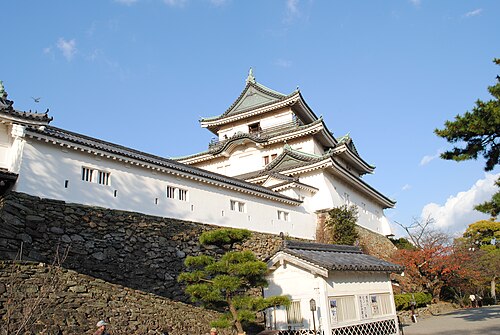
- Wakayama CastleJapan · 16th century