Pałac
Alexander Palace
🇷🇺 Rosja · XVIII wiek
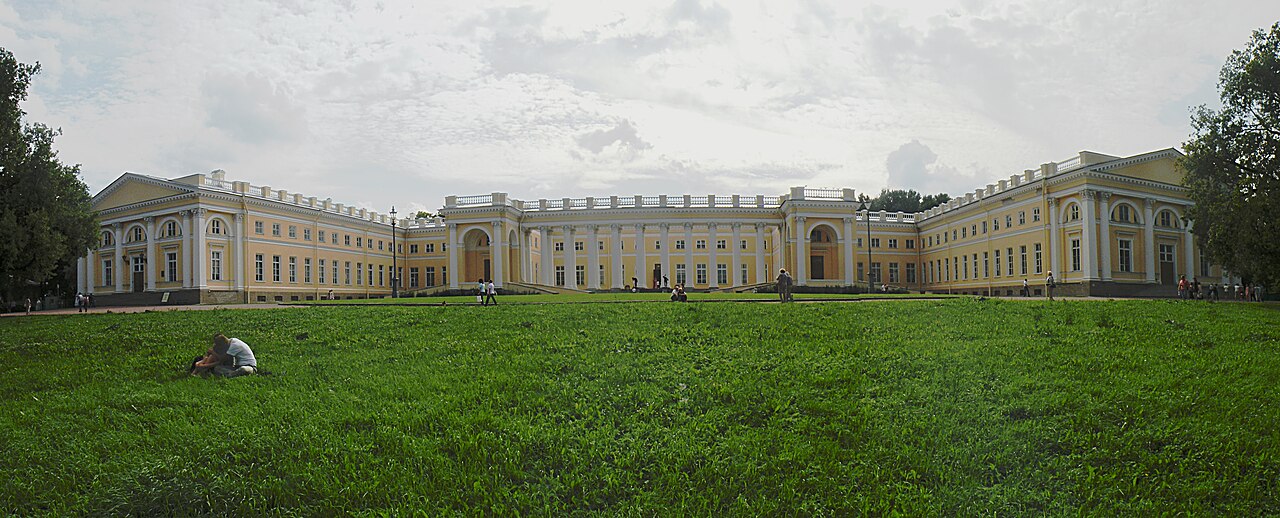
Pałac Aleksandryjski (ros. Александровский дворец, Aleksandrowskij dworiec, IPA: [ɐlʲɪkˈsandrəfskʲɪj dvɐˈrʲets]) to dawna rezydencja cesarska w pobliżu miasta Carskie Sioło w Rosji, na płaskowyżu około 30 mil (48 km) na południe od Sankt Petersburga. Pałac wzniesiono na zlecenie Katarzyny Wielkiej w 1792 roku.
Dzięki prywatności, jaką zapewniał w porównaniu z oficjalną rezydencją w Sankt Petersburgu, Pałac Aleksandryjski był ulubioną siedzibą ostatniego cesarza Rosji, Mikołaja II, i jego rodziny; jego bezpieczeństwo i odosobnienie porównywano korzystnie z Pałacem Zimowym w latach bezpośrednio poprzedzających rewolucję rosyjską. To tu urodziła się najstarsza córka Mikołaja II, Olga, podczas gdy pozostałe jego dzieci przyszły na świat w Peterhofie. W 1917 roku pałac stał się pierwszym miejscem uwięzienia rodziny cesarskiej po pierwszej z dwóch rewolucji rosyjskich w lutym, która obaliła dynastię Romanowów podczas I wojny światowej.
Pałac Aleksandryjski leży w Parku Aleksandryjskim, niedaleko Parku Katarzyńskiego i większego, bardziej okazałego Pałacu Katarzyńskiego. Po latach renowacji Pałac Aleksandryjski otwarto latem 2021 roku jako muzeum państwowe, gromadzące relikty dawnej dynastii cesarskiej.
Tłumaczenie maszynowe artykułu „Alexander Palace” w angielskiej Wikipedii, CC BY-SA 4.0.
Alexander Palace zajmuje 259. miejsce na 8134 w rankingu rozpoznawalności zamków tego atlasu i 10. wśród 145 obiektów w Rosji. Data powstania — 1793, wcześniejsza niż u 14% datowanych obiektów atlasu — jeden z 556 obiektów atlasu powstałych w XVIII wieku. Artykuły o tym obiekcie w Wikipedii otwarto 23 462 razy w ciągu ostatnich 60 dni — więcej niż 97% obiektów atlasu. W promieniu 25 km stoi 21 innych obiektów atlasu. Najbliższy przewodnik na jednodniowy wypad to Petersburg, 26 km stąd. Zobacz w statystykach zamków, jak wypada Rosja.
Zobacz na interaktywnej mapie zamków →Najczęstsze pytania
Gdzie znajduje się Alexander Palace?
Alexander Palace znajduje się w Rosji, na współrzędnych 59.72111°, 30.39278°.
Z którego roku pochodzi Alexander Palace?
Atlas podaje rok powstania: 1793. Wcześniejsze budowle mogły stać w tym miejscu — to najstarszy udokumentowany rok.
Czy Alexander Palace jest na liście UNESCO?
Tak — według Wikidanych obiekt wchodzi w skład miejsca światowego dziedzictwa UNESCO.
Które miejsce w rankingu zajmuje Alexander Palace?
W rankingu rozpoznawalności tego atlasu: 259. miejsce na 8134, 10. miejsce w Rosji. Rozpoznawalność łączy liczbę wersji językowych Wikipedii z liczbą czytelników.
Alexander Palace — który zamek leży najbliżej?
Catherine Palace, około 1 km stąd.
Inne zamki w Rosji
- Pałac Senacki Rosja · XVIII wiek
- Pałac Jusupowów nad Mojką Rosja · XVIII wiek
- Por-Bażyn Rosja · VIII wiek
- Twierdza Iwangorodzka Rosja · XV wiek
Inne obiekty: pałace
- Pałac Królewski w La Granja de San Ildefonso Hiszpania · XVIII wiek
- Pałac Narodowy Sintra Portugalia · XIV wiek
- Pałac Haga Szwecja · XIX wiek
- Nowy Pałac (Sanssouci) Niemcy · XVIII wiek