Ruina
Brougham Castle
ENG Anglia · XIII wiek
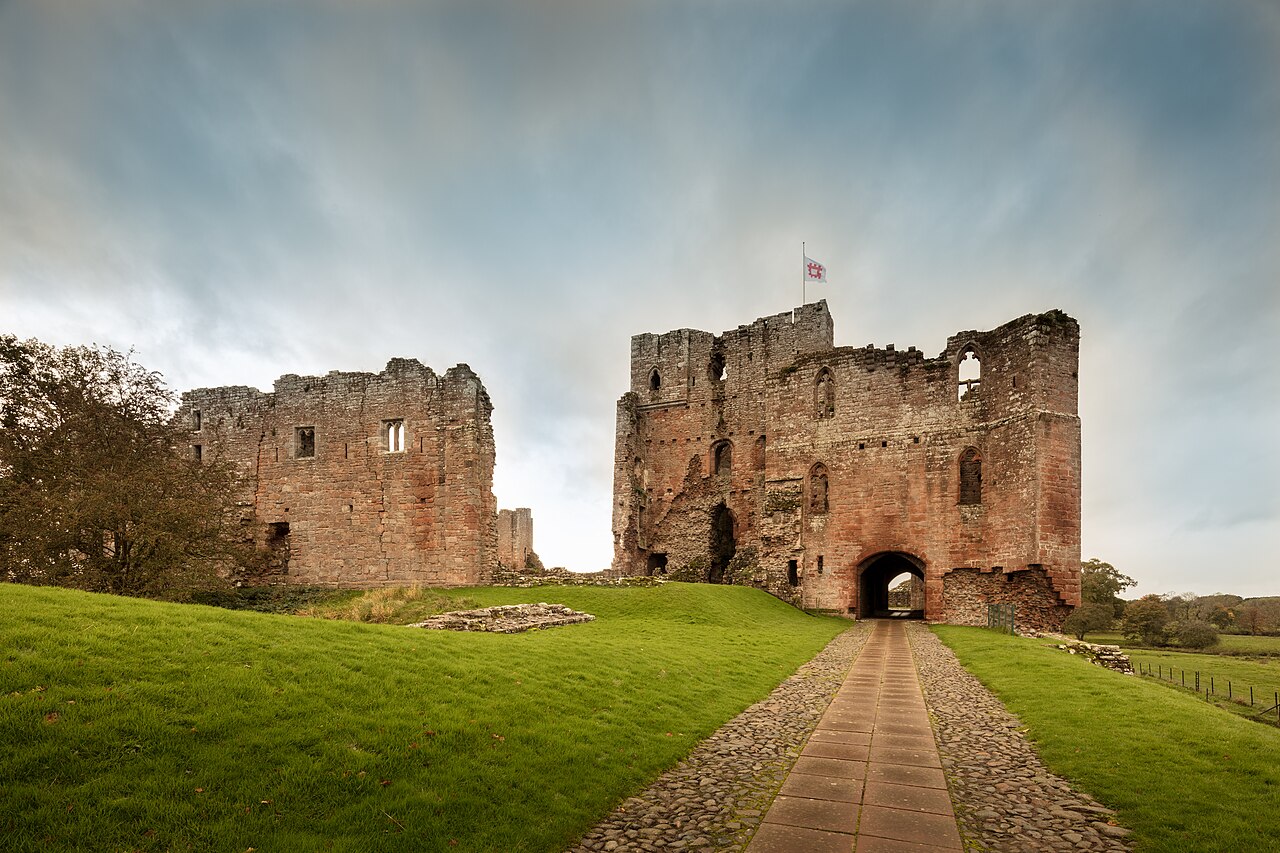
Brougham Castle to średniowieczna budowla położona około 2 mil (3,2 km) na południowy wschód od Penrith, w hrabstwie Cumbria, w Anglii. Zamek założył Robert I de Vieuxpont na początku XIII wieku. Miejsce to, w pobliżu ujścia rzek Eamont i Lowther, zostało wybrane przez Rzymian pod budowę rzymskiego fortu zwanego Brocavum. Zamek wraz z fortem jest zabytkiem wpisanym do rejestru: „Brougham Roman fort and Brougham Castle”.
W swej najwcześniejszej formie zamek składał się z kamiennej wieży mieszkalnej, z obwarowaniem chronionym ziemnym wałem i drewnianą palisadą. W chwili budowy zamku Robert de Vieuxpont był jednym z niewielu panów w regionie wiernych królowi Janowi. Ród Vieuxpontów był potężną rodziną posiadającą ziemię w północno-zachodniej Anglii, posiadał również zamki w Appleby i Brough. W 1264 roku wnuk Roberta de Vieuxpont, również Robert, został uznany za zdrajcę, a jego majątek skonfiskował Henryk III. Brougham Castle i inne posiadłości ostatecznie zwrócono rodowi Vieuxpont i pozostały w ich posiadaniu do 1269 roku, gdy poprzez małżeństwo przeszły do rodu Clifford.
Wraz z wybuchem wojen o niepodległość Szkocji, w 1296 roku, Brougham stał się ważną bazą wojskową Roberta Clifforda, 1. barona de Clifford. Rozpoczął on umacnianie zamku: drewniane zewnętrzne obwarowania zastąpiono mocniejszymi, bardziej okazałymi murami kamiennymi, a dobudowano duży kamienny budynek bramny. Znaczenie Brougham i Roberta Clifforda było na tyle duże, że w 1300 roku gościł on w zamku króla Edwarda I. Syn Roberta, Roger Clifford, został stracony jako zdrajca w 1322 roku, a majątki rodowe przeszły w posiadanie króla Edwarda II, choć zwrócono je, gdy jego syn Edward III został królem. Region często zagrożony był atakami Szkotów, a w 1388 roku zamek został zdobyty i splądrowany.
Tłumaczenie maszynowe artykułu „Brougham Castle” w angielskiej Wikipedii, CC BY-SA 4.0.
Brougham Castle zajmuje 1348. miejsce na 8134 w rankingu rozpoznawalności zamków tego atlasu i 88. wśród 333 obiektów w Anglii. Data powstania — ok. 1225, wcześniejsza niż u 75% datowanych obiektów atlasu — jeden z 861 obiektów atlasu powstałych w XIII wieku. Artykuły o tym obiekcie w Wikipedii otwarto 3013 razy w ciągu ostatnich 60 dni — więcej niż 75% obiektów atlasu. W promieniu 25 km stoi 4 innych obiektów atlasu. Najbliższy przewodnik na jednodniowy wypad to Newcastle upon Tyne, 79 km stąd. Zobacz w statystykach zamków, jak wypada Anglia.
Zobacz na interaktywnej mapie zamków →Najczęstsze pytania
Gdzie znajduje się Brougham Castle?
Brougham Castle znajduje się w Anglii, na współrzędnych 54.6533°, -2.71802°.
Z którego roku pochodzi Brougham Castle?
Atlas podaje rok powstania: ok. 1225. Wcześniejsze budowle mogły stać w tym miejscu — to najstarszy udokumentowany rok.
Które miejsce w rankingu zajmuje Brougham Castle?
W rankingu rozpoznawalności tego atlasu: 1348. miejsce na 8134, 88. miejsce w Anglii. Rozpoznawalność łączy liczbę wersji językowych Wikipedii z liczbą czytelników.
Brougham Castle — który zamek leży najbliżej?
Penrith Castle, około 3 km stąd.
Inne zamki w Anglii
- Zamek w Conisbrough Anglia · XI wiek
- Pevensey Castle Anglia · XI wiek
- Pałac Beaumont Anglia · XII wiek
- Halton Castle Anglia · XI wiek
Inne obiekty: ruiny
- Château de Marly Francja · XVII wiek
- Ak-Saray Palace Uzbekistan · XIV wiek
- Zamek Hagi Japonia · XVII wiek
- Los Millares Hiszpania