Zamek
Cape Coast Castle
🇬🇭 Ghana · XVII wiek
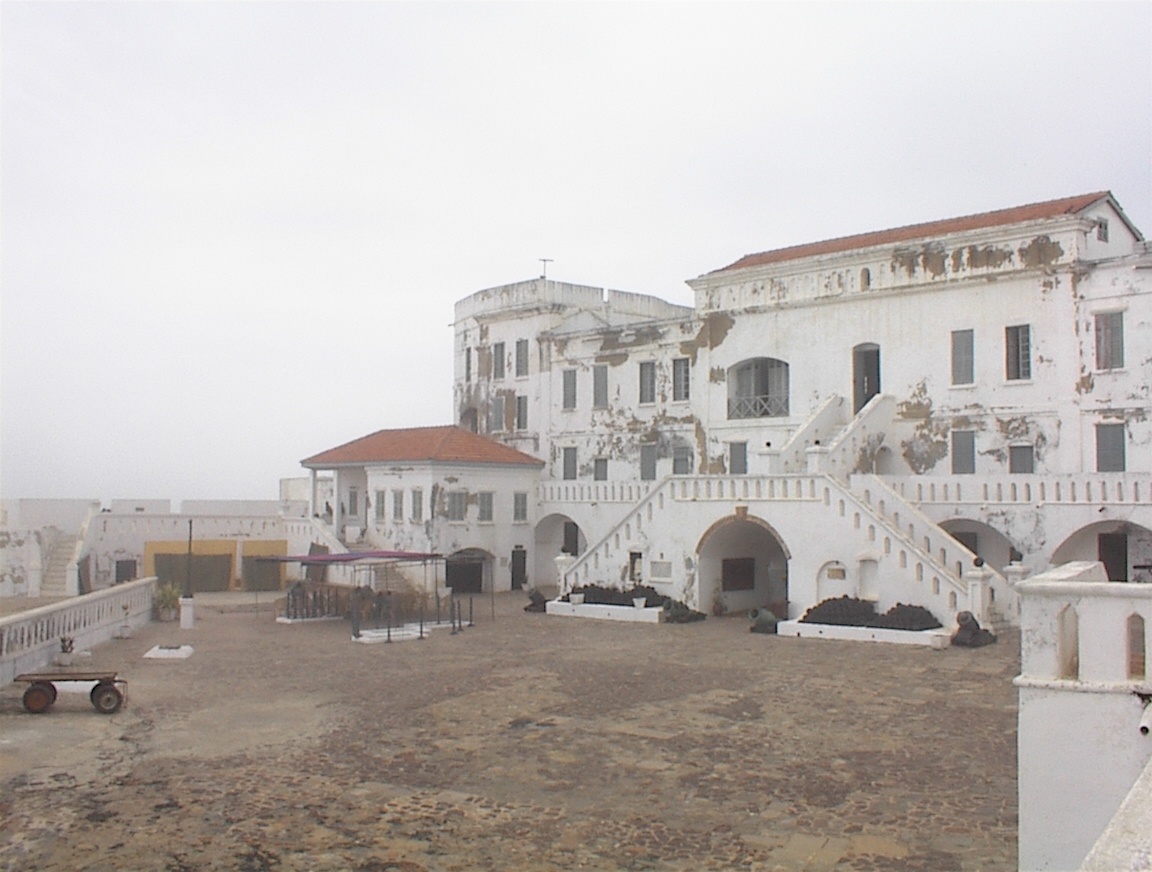
Cape Coast Castle (szw. Carolusborg) to jeden z około czterdziestu „zamków niewolniczych”, czyli dużych fortów handlowych, zbudowanych na Złotym Wybrzeżu Afryki Zachodniej (dzisiejsza Ghana) przez europejskich kupców. Cape Coast Castle znajduje się w Regionie Centralnym Ghany. Był pierwotnie portugalską „feitoria”, czyli placówką handlową, założoną w 1555 roku i nazwaną Cabo Corso, co oznacza „krótki przylądek”.
W 1653 roku Szwedzka Kompania Afrykańska zbudowała drewniany fort. Fort pierwotnie nazwano Carolusborg na cześć Karola X Gustawa, a wzniesiono go jako ośrodek handlu drewnem i złotem. Jego lochy wykorzystywano następnie w XVIII wieku w handlu niewolnikami przez Atlantyk. Inne ghańskie zamki niewolnicze to Elmina Castle i Fort Christiansborg. Służyły do przetrzymywania zniewolonych Afrykanów, zanim załadowano ich na statki i sprzedawano w obu Amerykach, zwłaszcza na Karaibach. Ta „brama bez powrotu” była ostatnim przystankiem przed przekroczeniem Atlantyku. Cape Coast Castle, wraz z innymi fortami i zamkami w Ghanie, wpisano na Listę Światowego Dziedzictwa UNESCO ze względu na ich świadectwo atlantyckiego handlu złotem i niewolnikami.
Duże ilości pyłu złota znajdowanego w Ghanie były głównym powodem przyciągającym europejskich handlarzy, a wielu mieszkańców Cape Coast wykorzystywało to na swoją korzyść. W zamian za złoto, mahoń i inne lokalnie wytwarzane towary oraz zniewolonych jeńców miejscowi Afrykanie otrzymywali ubrania, koce, przyprawy, cukier, jedwab i wiele innych przedmiotów. Cape Coast Castle było miejscem, gdzie odbywał się ten handel wymienny. Ponadto „Sprawozdanie o granicach i handlu Królewskiej Kompanii Afrykańskiej” stwierdzało, że główny przedstawiciel w Cape Coast Castle miał zaopatrywać forty handlowe w towary przeznaczone na wymianę za złoto, kość słoniową i niewolników.
Tłumaczenie maszynowe artykułu „Cape Coast Castle” w angielskiej Wikipedii, CC BY-SA 4.0.
Cape Coast Castle zajmuje 434. miejsce na 8134 w rankingu rozpoznawalności zamków tego atlasu i 2. wśród 34 obiektów w Ghanie. Data powstania — 1652, wcześniejsza niż u 26% datowanych obiektów atlasu — jeden z 626 obiektów atlasu powstałych w XVII wieku. Artykuły o tym obiekcie w Wikipedii otwarto 14 035 razy w ciągu ostatnich 60 dni — więcej niż 95% obiektów atlasu. W promieniu 25 km stoi 8 innych obiektów atlasu. Najbliższy przewodnik na jednodniowy wypad to Cape Coast, 1 km stąd. Zobacz w statystykach zamków, jak wypada Ghana.
Zobacz na interaktywnej mapie zamków →Najczęstsze pytania
Gdzie znajduje się Cape Coast Castle?
Cape Coast Castle znajduje się w Ghanie, na współrzędnych 5.10358°, -1.24125°.
Z którego roku pochodzi Cape Coast Castle?
Atlas podaje rok powstania: 1652. Wcześniejsze budowle mogły stać w tym miejscu — to najstarszy udokumentowany rok.
Czy Cape Coast Castle jest na liście UNESCO?
Tak — według Wikidanych obiekt wchodzi w skład miejsca światowego dziedzictwa UNESCO.
Które miejsce w rankingu zajmuje Cape Coast Castle?
W rankingu rozpoznawalności tego atlasu: 434. miejsce na 8134, 2. miejsce w Ghanie. Rozpoznawalność łączy liczbę wersji językowych Wikipedii z liczbą czytelników.
Cape Coast Castle — który zamek leży najbliżej?
Fort Victoria, około 1 km stąd.
Inne zamki w Ghanie
- Fort Prinzenstein Ghana · XVIII wiek
- Fort San Sebastian (Ghana) Ghana · XVI wiek
- Fort Amsterdam (Ghana) Ghana · XVII wiek
- Fort San Antonio de Axim Ghana · XVI wiek
Inne obiekty: zamki
- Zamek w Kolosi Cypr · XIII wiek
- Zamek w Kownie Litwa · XIV wiek
- Monnow Bridge Walia · XIII wiek
- Carisbrooke Castle Anglia · XI wiek