Ruina
Castle Rising Castle
ENG Anglia · XII wiek
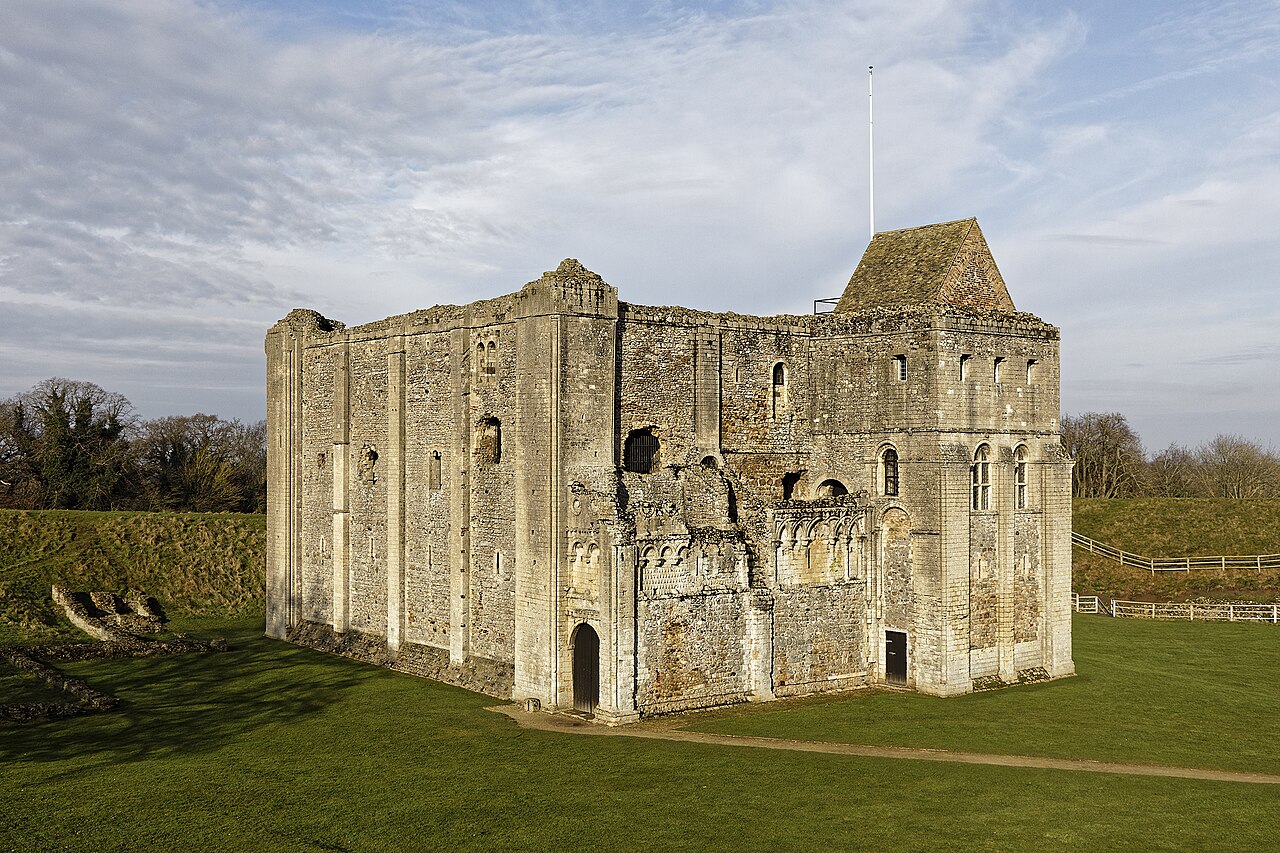
Castle Rising to zrujnowana średniowieczna warownia we wsi Castle Rising, w Norfolk, w Anglii. Zbudowano ją wkrótce po 1138 roku staraniem Williama d'Aubigny II, który wspiął się przez szczeble anglonormańskiej arystokracji, by zostać hrabią Arundel. Dzięki nowo zdobytemu majątkowi wzniósł Castle Rising wraz z otaczającym go parkiem jeleni, łącząc fortecę z pałacową rezydencją myśliwską. Odziedziczyli go potomkowie Williama, zanim w 1243 roku przeszedł w ręce rodu de Montalt. Ród Montaltów sprzedał później zamek królowej Izabeli, która mieszkała tam po utracie władzy w 1330 roku. Izabela rozbudowała zabudowania zamkowe i prowadziła królewski tryb życia, wielokrotnie podejmując swego syna, Edwarda III. Po jej śmierci zamek nadano Edwardowi Czarnemu Księciu, jako część księstwa Kornwalii.
W XV wieku zamek coraz bardziej ceniono za jego walory łowieckie, a nie obronne. Podupadł i, mimo budowy nowych pomieszczeń mieszkalnych i gospodarczych, do połowy XVI wieku popadł w ruinę. Henryk VIII sprzedał posiadłość Thomasowi Howardowi, księciu Norfolk, a większość zabudowań zamkowych rozebrano. Dopiero w XIX wieku, gdy posiadłość odziedziczyli Mary i Fulke Greville Howard, zamek odnowiono i odrestaurowano. Wiktoriańscy uczeni badali to miejsce, które udostępniono zwiedzającym. W 1958 roku zamek przeszedł pod opiekę państwa, które przeprowadziło dalsze prace stabilizacyjne oraz program badań archeologicznych. W 1998 roku English Heritage przekazało zarządzanie obiektem obecnemu właścicielowi, baronowi Howardowi z Rising, który nadal prowadzi zamek jako atrakcję turystyczną.
Castle Rising składa się z trzech podzamczy, każde bronione dużymi umocnieniami ziemnymi, o łącznej powierzchni 5 hektarów, które archeolodzy Oliver Creighton i Robert Higham uznają za jedne z najbardziej imponujących w Wielkiej Brytanii.
Tłumaczenie maszynowe artykułu „Castle Rising Castle” w angielskiej Wikipedii, CC BY-SA 4.0.
Castle Rising Castle zajmuje 1894. miejsce na 8134 w rankingu rozpoznawalności zamków tego atlasu i 122. wśród 333 obiektów w Anglii. Data powstania — 1138, wcześniejsza niż u 84% datowanych obiektów atlasu — jeden z 564 obiektów atlasu powstałych w XII wieku. Artykuły o tym obiekcie w Wikipedii otwarto 2530 razy w ciągu ostatnich 60 dni — więcej niż 72% obiektów atlasu. W promieniu 25 km stoi 2 innych obiektów atlasu. Najbliższy przewodnik na jednodniowy wypad to Cambridge, 69 km stąd. Zobacz w statystykach zamków, jak wypada Anglia.
Zobacz na interaktywnej mapie zamków →Najczęstsze pytania
Gdzie znajduje się Castle Rising Castle?
Castle Rising Castle znajduje się w Anglii, na współrzędnych 52.79294°, 0.46896°.
Z którego roku pochodzi Castle Rising Castle?
Atlas podaje rok powstania: 1138. Wcześniejsze budowle mogły stać w tym miejscu — to najstarszy udokumentowany rok.
Które miejsce w rankingu zajmuje Castle Rising Castle?
W rankingu rozpoznawalności tego atlasu: 1894. miejsce na 8134, 122. miejsce w Anglii. Rozpoznawalność łączy liczbę wersji językowych Wikipedii z liczbą czytelników.
Castle Rising Castle — który zamek leży najbliżej?
Sandringham House, około 5 km stąd.
Inne zamki w Anglii
- Walmer Castle Anglia · XVI wiek
- Zamek Aydon Anglia · XIII wiek
- Wallingford Castle Anglia · XI wiek
- Devizes Castle Anglia
Inne obiekty: ruiny
- Roslin Castle Szkocja · XIV wiek
- Cilgerran Castle Walia · XIII wiek
- Grosmont Castle Walia · XI wiek
- St Andrews Castle Szkocja · XII wiek