Ruina
Castro of San Cibrao de Las
🇪🇸 Hiszpania · II wiek p.n.e.
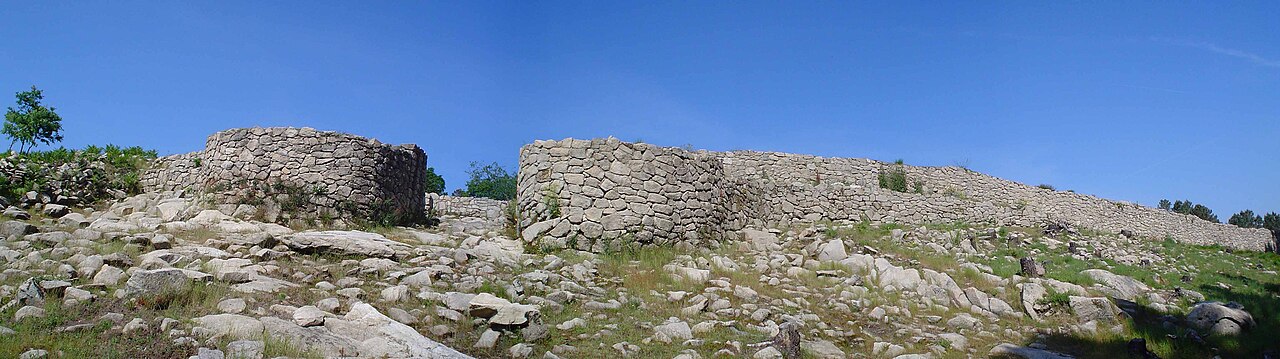
Grodzisko San Cibrao de Las (Castro de San Cibrao de Las) to stanowisko archeologiczne w Galicji, w Hiszpanii. Jest to grodzisko należące do tzw. kultury castro. Zamiast pojedynczego zamku obejmuje ono całe ufortyfikowane miasteczko lub wieś.
Miejsce to było zamieszkane od II wieku p.n.e. do II wieku n.e. Rozkwit przypadł na I wiek n.e., na początku panowania rzymskiego w Galicji.
Ruiny położone są na wzgórzu o wysokości 473 metrów, na obszarze o długości 384 m i szerokości 314 m. W przeciwieństwie do innych grodzisk tego regionu, występuje tu wiele prostych murów i mniej krzywoliniowych struktur.
Tłumaczenie maszynowe artykułu „Castro of San Cibrao de Las” w angielskiej Wikipedii, CC BY-SA 4.0.
Castro of San Cibrao de Las zajmuje 2499. miejsce na 8134 w rankingu rozpoznawalności zamków tego atlasu i 91. wśród 602 obiektów w Hiszpanii. Data powstania — ok. 200 p.n.e., wcześniejsza niż u 99% datowanych obiektów atlasu — jeden z 12 obiektów atlasu powstałych w II wieku p.n.e. W promieniu 25 km stoi 1 innych obiektów atlasu. Najbliższy przewodnik na jednodniowy wypad to Braga, 96 km stąd. Zobacz w statystykach zamków, jak wypada Hiszpania.
Zobacz na interaktywnej mapie zamków →Najczęstsze pytania
Gdzie znajduje się Castro of San Cibrao de Las?
Castro of San Cibrao de Las znajduje się w Hiszpanii, na współrzędnych 42.36°, -8.03194°.
Z którego roku pochodzi Castro of San Cibrao de Las?
Atlas podaje rok powstania: ok. 200 p.n.e. Wcześniejsze budowle mogły stać w tym miejscu — to najstarszy udokumentowany rok.
Które miejsce w rankingu zajmuje Castro of San Cibrao de Las?
W rankingu rozpoznawalności tego atlasu: 2499. miejsce na 8134, 91. miejsce w Hiszpanii. Rozpoznawalność łączy liczbę wersji językowych Wikipedii z liczbą czytelników.
Castro of San Cibrao de Las — który zamek leży najbliżej?
Castle of A Peroxa, około 22 km stąd.
Inne zamki w Hiszpanii
- Atalaya Castle Hiszpania
- Castillo de San Servando Hiszpania · VII wiek
- Royal Palace of La Almudaina Hiszpania · XIV wiek
- Palacio de las Cortes Hiszpania · XIX wiek
Inne obiekty: ruiny
- Kudak Ukraina · XVII wiek
- Petra (Lazica) Gruzja
- Porolissum Rumunia · II wiek
- Zamek Szaryski Słowacja