Ruina
Dunstanburgh Castle
ENG Anglia · XIV wiek
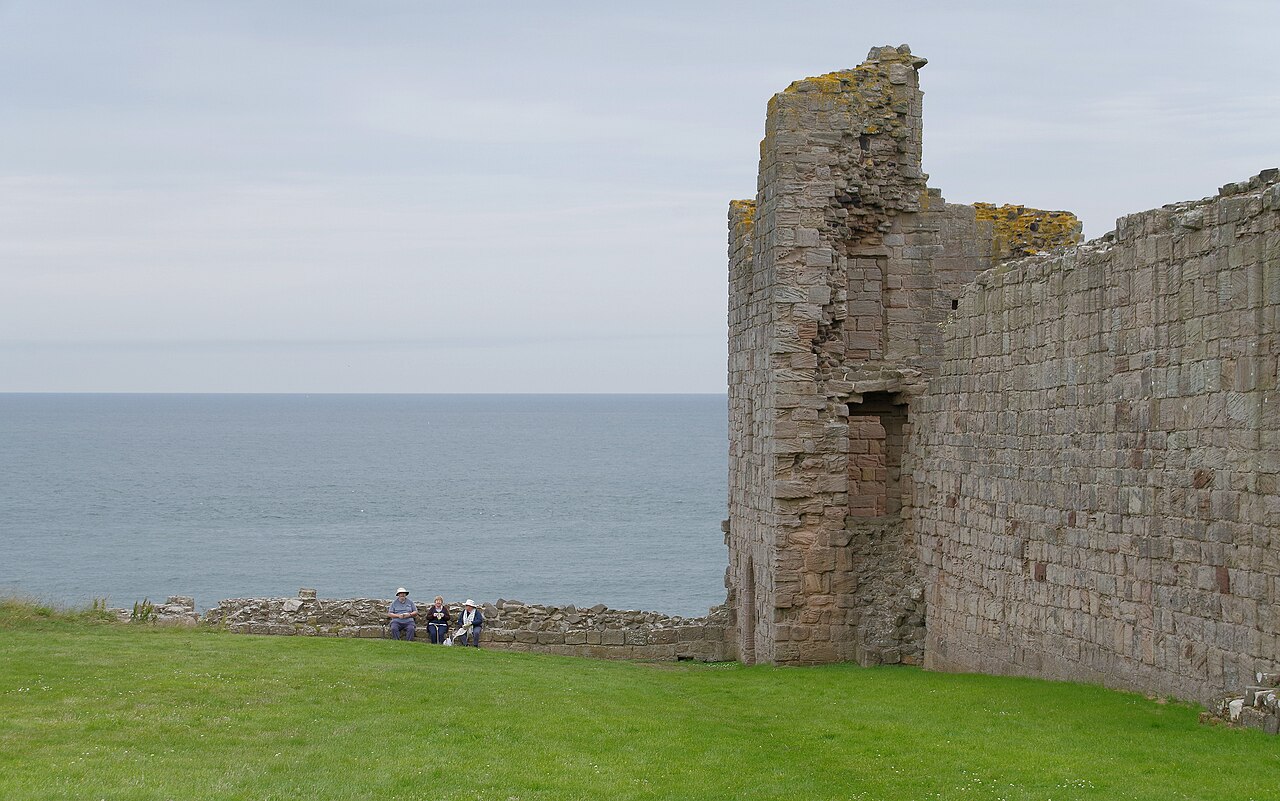
Zamek Dunstanburgh to XIV-wieczna fortyfikacja na wybrzeżu Northumberland w północnej Anglii, między wsiami Craster i Embleton. Zamek zbudował Tomasz, 2. hrabia Lancaster, w latach 1313–1322, wykorzystując naturalną obronność terenu oraz istniejące już umocnienia ziemne z epoki żelaza. Tomasz przewodził frakcji baronów przeciwnych królowi Edwardowi II i prawdopodobnie zamierzał uczynić z Dunstanburgh bezpieczne schronienie na wypadek pogorszenia się sytuacji politycznej na południu Anglii. Zamek miał też stanowić manifestację bogactwa i wpływów hrabiego oraz prowokować porównania z sąsiednim zamkiem królewskim w Bamburgh.
Tomasz prawdopodobnie odwiedził swój nowy zamek tylko raz, zanim schwytano go w bitwie pod Boroughbridge w 1322 roku, gdy próbował uciec przed siłami królewskimi w kierunku bezpiecznego Dunstanburgh. Tomasz został stracony, a zamek stał się własnością Korony, by później przejść we władanie Księstwa Lancaster.
Obrona Dunstanburgh została rozbudowana w latach 80. XIV wieku przez Jana z Gandawy, 1. księcia Lancaster, w obliczu zagrożenia ze strony Szkocji i chłopskich powstań z 1381 roku. W XV wieku zamek był utrzymywany przez Koronę i stanowił strategiczną północną twierdzę regionu podczas wojny Dwóch Róż, kilkakrotnie przechodząc z rąk do rąk między rywalizującymi frakcjami Lancasterów i Yorków. Forteca nigdy nie podniosła się po oblężeniach tych kampanii, a do XVI wieku Warden of the Scottish Marches opisywał ją jako popadłą w „przedziwnie wielkie zniszczenie”. W miarę jak granica ze Szkocją stawała się coraz stabilniejsza, znaczenie militarne zamku systematycznie malało, aż król Jakub I ostatecznie sprzedał posiadłość w ręce prywatne w 1604 roku.
Tłumaczenie maszynowe artykułu „Dunstanburgh Castle” w angielskiej Wikipedii, CC BY-SA 4.0.
Dunstanburgh Castle zajmuje 810. miejsce na 8134 w rankingu rozpoznawalności zamków tego atlasu i 57. wśród 333 obiektów w Anglii. Data powstania — 1313, wcześniejsza niż u 62% datowanych obiektów atlasu — jeden z 604 obiektów atlasu powstałych w XIV wieku. Artykuły o tym obiekcie w Wikipedii otwarto 5144 razy w ciągu ostatnich 60 dni — więcej niż 85% obiektów atlasu. W promieniu 25 km stoi 6 innych obiektów atlasu. Najbliższy przewodnik na jednodniowy wypad to Newcastle upon Tyne, 57 km stąd. Jest jednym z 19 obiektów na mapie regionalnej „Northumberland”. Zobacz w statystykach zamków, jak wypada Anglia.
Zobacz na interaktywnej mapie zamków →Najczęstsze pytania
Gdzie znajduje się Dunstanburgh Castle?
Dunstanburgh Castle znajduje się w Anglii, na współrzędnych 55.4885°, -1.59351°.
Z którego roku pochodzi Dunstanburgh Castle?
Atlas podaje rok powstania: 1313. Wcześniejsze budowle mogły stać w tym miejscu — to najstarszy udokumentowany rok.
Które miejsce w rankingu zajmuje Dunstanburgh Castle?
W rankingu rozpoznawalności tego atlasu: 810. miejsce na 8134, 57. miejsce w Anglii. Rozpoznawalność łączy liczbę wersji językowych Wikipedii z liczbą czytelników.
Dunstanburgh Castle — który zamek leży najbliżej?
Zamek Alnwick, około 11 km stąd.
Inne zamki w Anglii
- Carisbrooke Castle Anglia · XI wiek
- Winchester Castle Anglia · XI wiek
- Highclere Castle Anglia · XVII wiek
- Codnor Castle Anglia · XIII wiek
Inne obiekty: ruiny
- Dolbadarn Walia · XIII wiek
- Pałac Prezydencki w Port-au-Prince Haiti · XX wiek
- Pałac Ishaka Paszy Turcja · XVIII wiek
- Zamek Trosky Czechy · XIV wiek