Zamek
Dunster Castle
ENG Anglia · XVII wiek
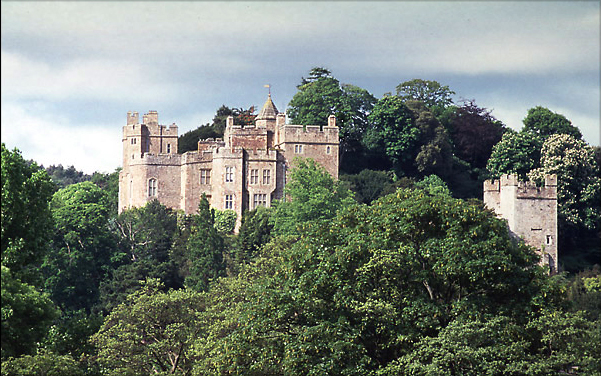
Zamek Dunster to dawny zamek typu motte-and-bailey, obecnie rezydencja wiejska, we wsi Dunster, w hrabstwie Somerset, w Anglii. Zamek stoi na szczycie stromego wzgórza zwanego Tor i był ufortyfikowany już od schyłku okresu anglosaskiego. Po podboju Anglii przez Normanów w XI wieku, William de Mohun wzniósł na tym miejscu drewniany zamek w ramach pacyfikacji Somerset. Kamienna wieża typu shell keep powstała na kopcu na początku XII wieku, a zamek przetrwał oblężenie we wczesnych latach okresu Anarchii. Pod koniec XIV wieku ród de Mohunów sprzedał zamek rodzinie Luttrell, która pozostawała w posiadaniu majątku aż do końca XX wieku.
Zamek był kilkakrotnie rozbudowywany przez rodzinę Luttrell w XVII i XVIII wieku; w 1617 roku wznieśli oni obszerną rezydencję dworską w dolnym dziedzińcu zamku, którą gruntownie modernizowano najpierw w latach 80. XVII wieku, a następnie w latach 60. XVIII wieku. Średniowieczne mury zamkowe zostały w większości zniszczone po oblężeniu zamku Dunster pod koniec pierwszej angielskiej wojny domowej, kiedy parlament nakazał ich celowe zniszczenie (slighting), by uniemożliwić ich dalsze wykorzystanie. W latach 60. i 70. XIX wieku architekt Anthony Salvin został zatrudniony, by przebudować zamek zgodnie z wiktoriańskim gustem; prace te znacznie zmieniły wygląd Dunster, nadając mu bardziej gotycki i malowniczy charakter.
Po śmierci Alexandra Luttrella w 1944 roku rodzina nie była w stanie opłacić podatku spadkowego od jego majątku. Zamek wraz z okolicznymi ziemiami sprzedano firmie deweloperskiej, a rodzina nadal mieszkała w zamku jako najemcy. Luttrellowie odkupili zamek w 1954 roku, jednak w 1976 roku pułkownik sir Walter Luttrell przekazał zamek Dunster wraz z większością jego wyposażenia National Trust, która obecnie prowadzi go jako atrakcję turystyczną. Zamek jest budynkiem zabytkowym klasy I oraz zabytkiem wpisanym do rejestru.
Tłumaczenie maszynowe artykułu „Dunster Castle” w angielskiej Wikipedii, CC BY-SA 4.0.
Dunster Castle zajmuje 1138. miejsce na 8134 w rankingu rozpoznawalności zamków tego atlasu i 78. wśród 333 obiektów w Anglii. Data powstania — 1617, wcześniejsza niż u 31% datowanych obiektów atlasu — jeden z 626 obiektów atlasu powstałych w XVII wieku. Artykuły o tym obiekcie w Wikipedii otwarto 4296 razy w ciągu ostatnich 60 dni — więcej niż 82% obiektów atlasu. Najbliższy przewodnik na jednodniowy wypad to Cardiff, 38 km stąd. Zobacz w statystykach zamków, jak wypada Anglia.
Zobacz na interaktywnej mapie zamków →Najczęstsze pytania
Gdzie znajduje się Dunster Castle?
Dunster Castle znajduje się w Anglii, na współrzędnych 51.1814°, -3.44427°.
Z którego roku pochodzi Dunster Castle?
Atlas podaje rok powstania: 1617. Wcześniejsze budowle mogły stać w tym miejscu — to najstarszy udokumentowany rok.
Które miejsce w rankingu zajmuje Dunster Castle?
W rankingu rozpoznawalności tego atlasu: 1138. miejsce na 8134, 78. miejsce w Anglii. Rozpoznawalność łączy liczbę wersji językowych Wikipedii z liczbą czytelników.
Dunster Castle — który zamek leży najbliżej?
St Donat's Castle, około 25 km stąd.
Inne zamki w Anglii
- Herstmonceux Castle Anglia · XV wiek
- Newcastle upon Tyne Castle Anglia · XI wiek
- Zamek w Goodrich Anglia · XI wiek
- Lancaster Castle Anglia · XI wiek
Inne obiekty: zamki
- Brodick Castle Szkocja · XVI wiek
- Zamek Matsumae Japonia · XVII wiek
- Zamek w Trim Irlandia · XII wiek
- Kaiping Diaolou Chiny · XX wiek