Ruina
Kirkuk Citadel
🇮🇶 Irak · VIII wiek p.n.e.
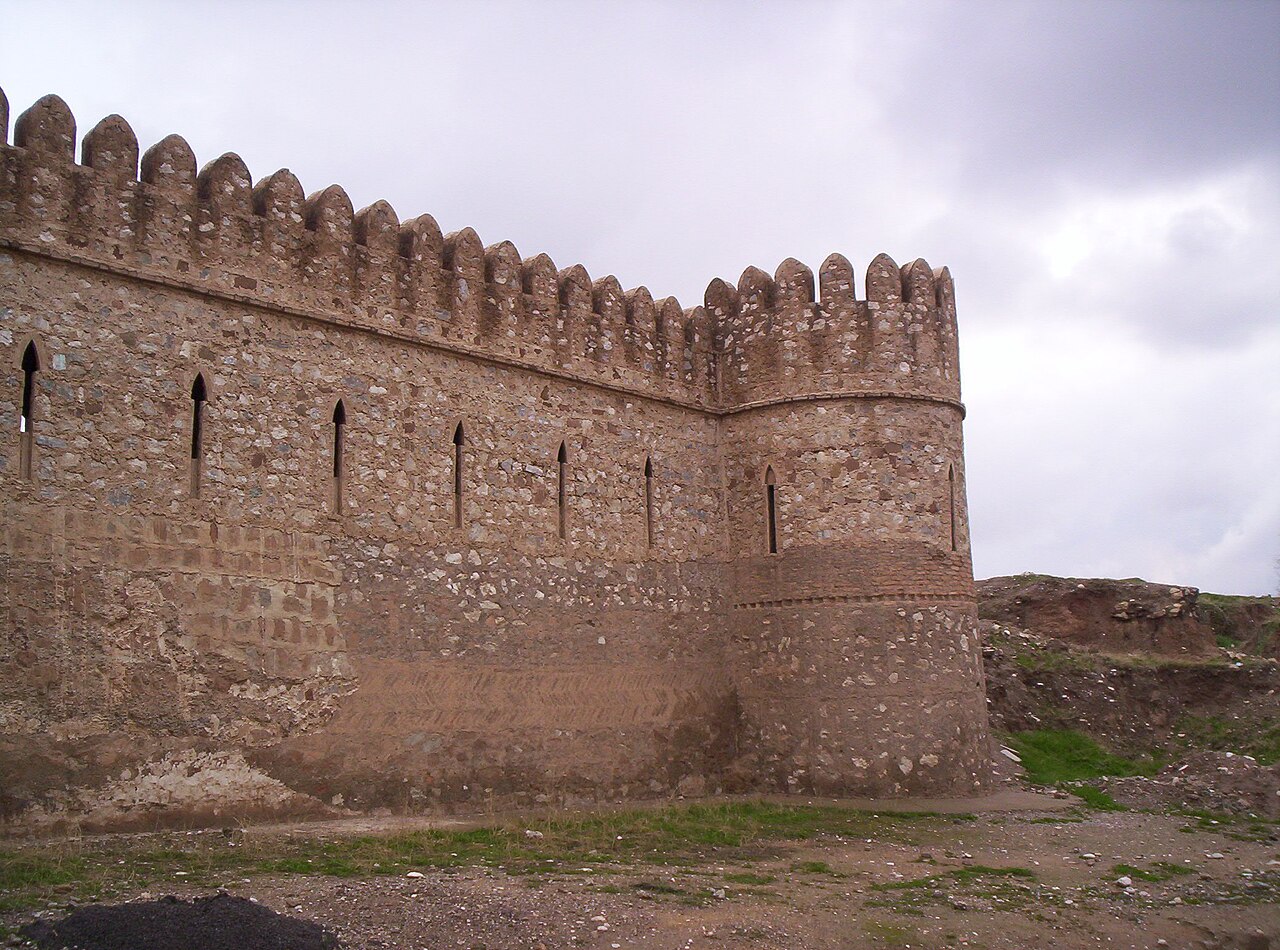
Cytadela w Kirkuku (arab. قلعة كركوك; kurd. قەڵای کەرکووک; tur. Kerkük Kalesi) to cytadela wraz z towarzyszącymi jej budowlami, położona w centrum Kirkuku w Iraku, uważana za najstarszą część miasta. Cytadela stoi na 40-metrowym tellu, położonym na płaskowyżu nad rzeką Khasa. Choć większość cytadeli została zburzona, część jej zabudowy, w tym meczety, grobowce i domy, przetrwała w nienaruszonym stanie.
Historycznie zamieszkane głównie przez Turkmenów, lecz wielokulturowe miasto pod względem religijnym, gospodarczym i etnicznym, na terenie cytadeli mieściło się wiele targów i meczetów, część z nich sięgających złotego wieku islamu, noszących imiona wielu znamienitych mieszkańców, oraz liczne klasztory sufickie (znane w Iraku ogólnie jako takiyya), powstałe wskutek rozwoju zakonu Kadirijja w regionie. Znajduje się tu też wiele miejsc kultu chrześcijańskiego i żydowskiego. Cytadela zawiera również jedno z kilku miejsc na Bliskim Wschodzie, w których, jak się twierdzi, pochowany jest biblijny prorok Daniel.
W kwietniu 2021 roku liczący 42,5 hektara teren cytadeli, wraz z wieloma zachowanymi budowlami, wpisano na listę wstępną Światowego Dziedzictwa UNESCO ze względu na jego znaczenie historyczne, autentyczną starożytną tkankę miejską i wartość społeczną.
Tłumaczenie maszynowe artykułu „Kirkuk Citadel” w angielskiej Wikipedii, CC BY-SA 4.0.
Kirkuk Citadel zajmuje 1942. miejsce na 8134 w rankingu rozpoznawalności zamków tego atlasu i 7. wśród 14 obiektów w Iraku. Data powstania — ok. 800 p.n.e., wcześniejsza niż u 99% datowanych obiektów atlasu — jeden z 5 obiektów atlasu powstałych w VIII wieku p.n.e. Artykuły o tym obiekcie w Wikipedii otwarto 1695 razy w ciągu ostatnich 60 dni — więcej niż 63% obiektów atlasu. Zobacz w statystykach zamków, jak wypada Irak.
Zobacz na interaktywnej mapie zamków →Najczęstsze pytania
Gdzie znajduje się Kirkuk Citadel?
Kirkuk Citadel znajduje się w Iraku, na współrzędnych 35.46972°, 44.39583°.
Z którego roku pochodzi Kirkuk Citadel?
Atlas podaje rok powstania: ok. 800 p.n.e. Wcześniejsze budowle mogły stać w tym miejscu — to najstarszy udokumentowany rok.
Które miejsce w rankingu zajmuje Kirkuk Citadel?
W rankingu rozpoznawalności tego atlasu: 1942. miejsce na 8134, 7. miejsce w Iraku. Rozpoznawalność łączy liczbę wersji językowych Wikipedii z liczbą czytelników.
Kirkuk Citadel — który zamek leży najbliżej?
Sarvjak Castle, około 85 km stąd.
Inne zamki w Iraku
- Bash Tapia Castle Irak · XVIII wiek
- Republican Palace Irak · XX wiek
- Pałac Pokoju (Bagdad) Irak
- Abbasid Palace Irak · XIII wiek
Inne obiekty: ruiny
- Zamek Donnington Anglia · XIV wiek
- Zamek w Criccieth Walia · XIII wiek
- Ardvreck Castle Szkocja · XVI wiek
- Duffield Castle Anglia