Ruina
Richmond Palace
ENG Anglia · XVI wiek
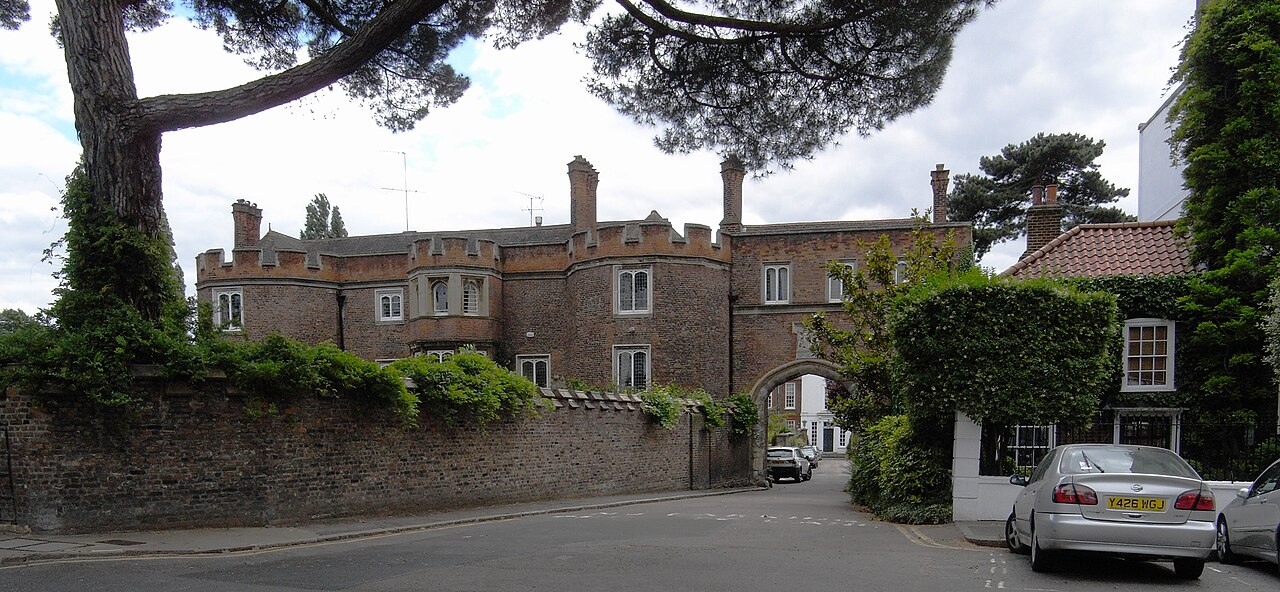
Pałac Richmond był tudorowską rezydencją królewską nad rzeką Tamizą w Anglii, istniejącą w XVI i XVII wieku. Położony na terenie ówcześnie wiejskiego hrabstwa Surrey, leżał w górze rzeki i po przeciwległym brzegu w stosunku do Pałacu Westminsterskiego, który znajdował się dziewięć mil (14 km) na północny wschód. Wzniesiony został około 1501 roku przez Henryka VII Angielskiego, dawniej znanego jako hrabia Richmond, na cześć którego niedawno przemianowano posiadłość Sheen na „Richmond”. Pałac Richmond zastąpił zatem Pałac Sheen, który sam z kolei wzniesiono na miejscu wcześniejszego dworu, przejętego przez Edwarda I w 1299 roku i wykorzystywanego następnie przez jego trzech kolejnych bezpośrednich potomków, zanim popadł w ruinę.
W 1500 roku, rok przed rozpoczęciem budowy nowego Pałacu Richmond, nazwę miasteczka Sheen, które wyrosło wokół królewskiej posiadłości, zmieniono na „Richmond” na rozkaz Henryka VII. Jednak obie nazwy, Sheen i Richmond, są nadal używane. Dzisiejsze dzielnice East Sheen i North Sheen, znajdujące się obecnie pod zarządem administracyjnym londyńskiej dzielnicy Richmond upon Thames, nigdy w dawnych czasach nie należały do posiadłości Sheen, lecz zostały rozwinięte w XIX i XX wieku na terenach sąsiedniej posiadłości i parafii Mortlake. Richmond pozostawało częścią hrabstwa Surrey do 1 kwietnia 1965 roku, kiedy zostało włączone do Wielkiego Londynu w wyniku rozszerzenia na mocy ustawy London Government Act z 1963 roku.
Pałac Richmond był ulubioną rezydencją Elżbiety I, która zmarła w nim w 1603 roku. Pozostawał siedzibą królów i królowych Anglii aż do śmierci Karola I Angielskiego w 1649 roku. W ciągu kilku miesięcy od jego egzekucji pałac poddano inwentaryzacji z rozkazu Parlamentu Angielskiego i sprzedano za 13 000 funtów.
Tłumaczenie maszynowe artykułu „Richmond Palace” w angielskiej Wikipedii, CC BY-SA 4.0.
Richmond Palace zajmuje 445. miejsce na 8134 w rankingu rozpoznawalności zamków tego atlasu i 36. wśród 333 obiektów w Anglii. Data powstania — ok. 1501, wcześniejsza niż u 45% datowanych obiektów atlasu — jeden z 755 obiektów atlasu powstałych w XVI wieku. Artykuły o tym obiekcie w Wikipedii otwarto 20 680 razy w ciągu ostatnich 60 dni — więcej niż 97% obiektów atlasu. W promieniu 25 km stoi 26 innych obiektów atlasu. Najbliższy przewodnik na jednodniowy wypad to Londyn, 14 km stąd. Zobacz w statystykach zamków, jak wypada Anglia.
Zobacz na interaktywnej mapie zamków →Najczęstsze pytania
Gdzie znajduje się Richmond Palace?
Richmond Palace znajduje się w Anglii, na współrzędnych 51.46039°, -0.31022°.
Z którego roku pochodzi Richmond Palace?
Atlas podaje rok powstania: ok. 1501. Wcześniejsze budowle mogły stać w tym miejscu — to najstarszy udokumentowany rok.
Które miejsce w rankingu zajmuje Richmond Palace?
W rankingu rozpoznawalności tego atlasu: 445. miejsce na 8134, 36. miejsce w Anglii. Rozpoznawalność łączy liczbę wersji językowych Wikipedii z liczbą czytelników.
Richmond Palace — który zamek leży najbliżej?
Pałac Kew, około 3 km stąd.
Inne zamki w Anglii
- Camulodunum Anglia
- White Tower (Tower of London) Anglia · XI wiek
- Zamek Colchester Anglia · XI wiek
- Portchester Castle Anglia · XI wiek
Inne obiekty: ruiny
- Jiaohe (ruiny) Chiny · II wiek p.n.e.
- Temple (twierdza) Francja · XIII wiek
- Zamek w Ostrogu Ukraina · XIII wiek
- Maglič Serbia · XIII wiek