 Iran · 5th century BC
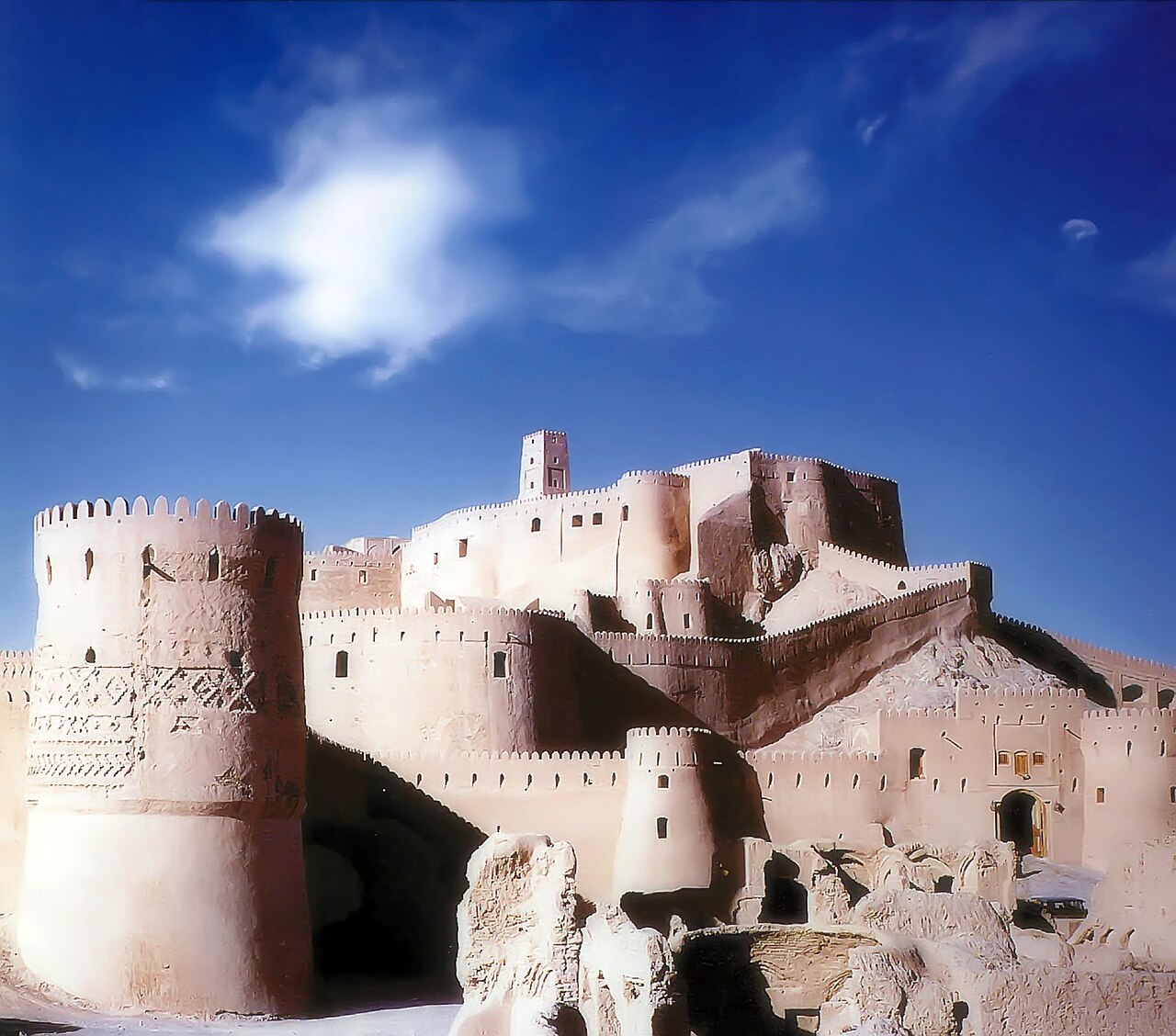
The Arg-e Bam (Persian: ارگ بم), located in the city of Bam, Kerman province of southeastern Iran, is the largest adobe building in the world. The entire building was a large fortress containing the citadel, but because the citadel dominates the ruins, the entire fortress is now named Bam Citadel.
Listed by UNESCO as part of the World Heritage Site "Bam and its Cultural Landscape", it can be traced back to at least the Achaemenid Empire (sixth to fourth centuries BC). The citadel rose to importance from the seventh to eleventh centuries, as a crossroads along the Silk Road and other important trade routes, and as a producer of silk and cotton garments.
On 26 December 2003, the citadel was almost completely destroyed by an earthquake, along with much of the rest of Bam and its environs. A few days after the earthquake, the President of Iran, Mohammad Khatami, announced that the citadel would be rebuilt.
Text adapted from “Arg-e Bam” on Wikipedia, CC BY-SA 4.0.
Bam Citadel ranks #291 of 9,035 worldwide in the atlas's castle fame ranking, and #4 of the 172 mapped in Iran. Founded c. 500 BC, it is older than 99% of the atlas's dated landmarks, one of 11 atlas entries founded in the 5th century BC. Its Wikipedia articles were opened 9,288 times in the last 60 days, more than 93% of the atlas. See how Iran compares in the castle statistics.
View on the interactive castle map →