 Ukraine · 10th century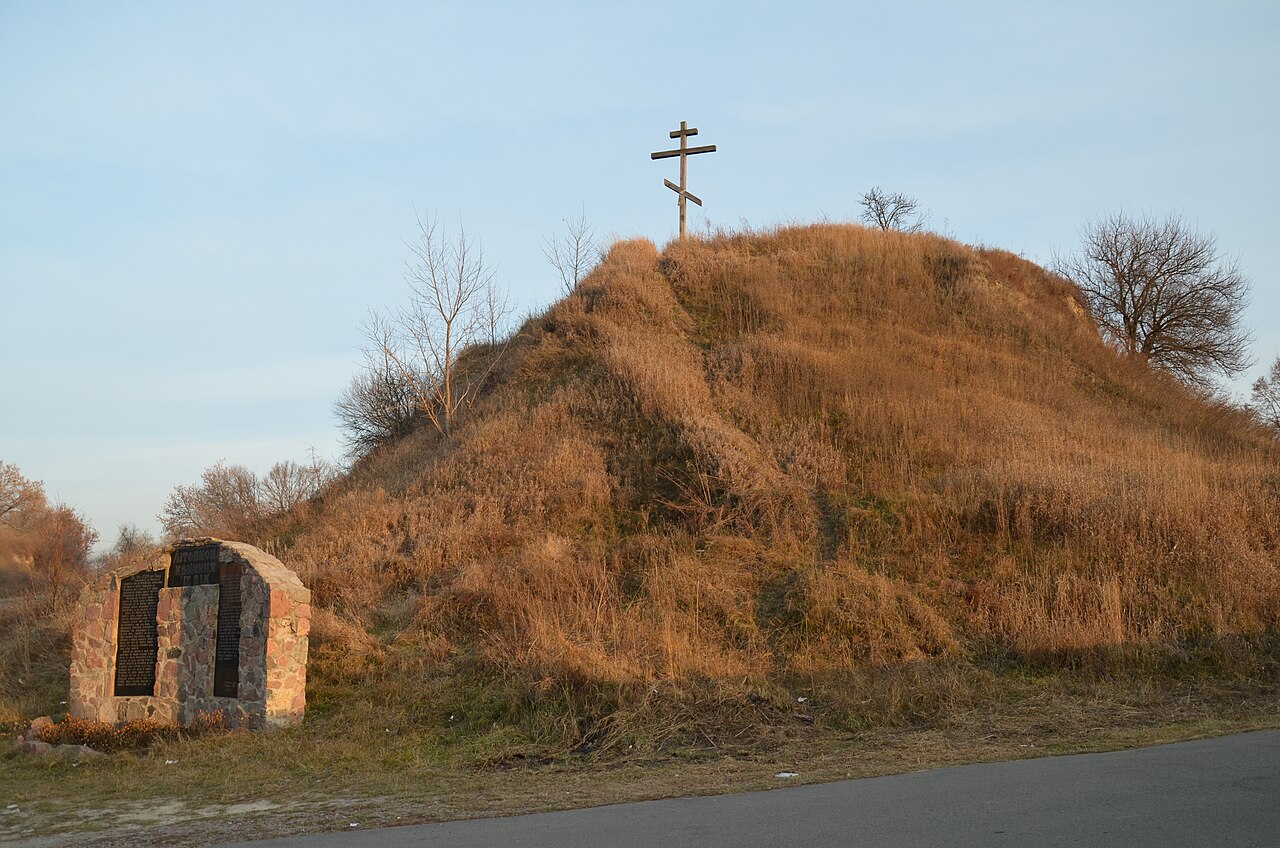
Bilhorod Kyivskyi (Ukrainian: Білгород-Київський) or Belgorod (Russian: Белгород) was a city-castle in Kievan Rus', on the right bank of the Irpin River. Established in 991, it stood on the roadway connecting Kyiv with the cities of Zhytomyr and Halych, but was destroyed by the Tatars. The remains of the city are located near the present-day village of Bilohorodka in Kyiv Oblast, Ukraine.
The city was prominent in the 10th to 12th centuries. It ceased to exist after the Mongol invasion of Kievan Rus' and the destruction of Kiev in 1240. Currently the large village of Bilohorodka is located near the defunct city.
The city is first mentioned in chronicles in 980. In 991, Vladimir I of Kiev built his castle there. According to the chronicle, Belgorod was the favourite residence of Vladimir I, who moved a lot of his people there, including his three hundred concubines. The right bank of the Irpin River was the land of Drevlians who resisted the Kievan princes, thus, establishment of the castle might have been intended to consolidate the power of Kiev over the Drevlians. The castle also protected Kiev from the nomads of the Great Steppe.
In 997, the new castle survived the long siege by the Pechenegs and protected Kiev from Pecheneg conquest. According to the Primary Chronicle, there was a famine in the city during the siege and the residents assembled a veche or assembly to decide whether they should surrender to the Pechenegs. The veche decided to continue the defence of the city that eventually led to the victory. It was the first mention of veche in Kievan chronicles. Later, the veche became the main form of government in the Novgorod Republic and other states in northern Rus'.
In the 11th century, the city became a bishop seat. The bishop of Belgorod was first mentioned in the Primary Chronicle in 1088. In the 12th century, the city played the same role as earlier Pereyaslavl and Novgorod; it became the seat of the heir of the grand prince of Kiev. Since Belgorod was very close to Kiev, the grand prince could control his heir and the heir could move to Kiev on a very short notice if required. The tradition started with Vladimir II Monomakh, who transferred his son Mstislav there in 1117. Mstislav became the grand prince in 1125. In 1140, the city was taken by Vsevolod II of Kiev, who gave it to his brother, Sviatoslav Olgovich.
Text adapted from “Bilhorod Kyivskyi” on Wikipedia, CC BY-SA 4.0.
Belgorod Kievsky ranks #3,161 of 9,035 worldwide in the atlas's castle fame ranking, and #54 of the 195 mapped in Ukraine. Founded 991, it is older than 92% of the atlas's dated landmarks, one of 192 atlas entries founded in the 10th century. Its Wikipedia articles were opened 1,214 times in the last 60 days, more than 56% of the atlas. 6 more atlas landmarks stand within 25 km. See how Ukraine compares in the castle statistics.
View on the interactive castle map →