Fortress
City walls of Córdoba
🇪🇸 Spain · 3rd century BC
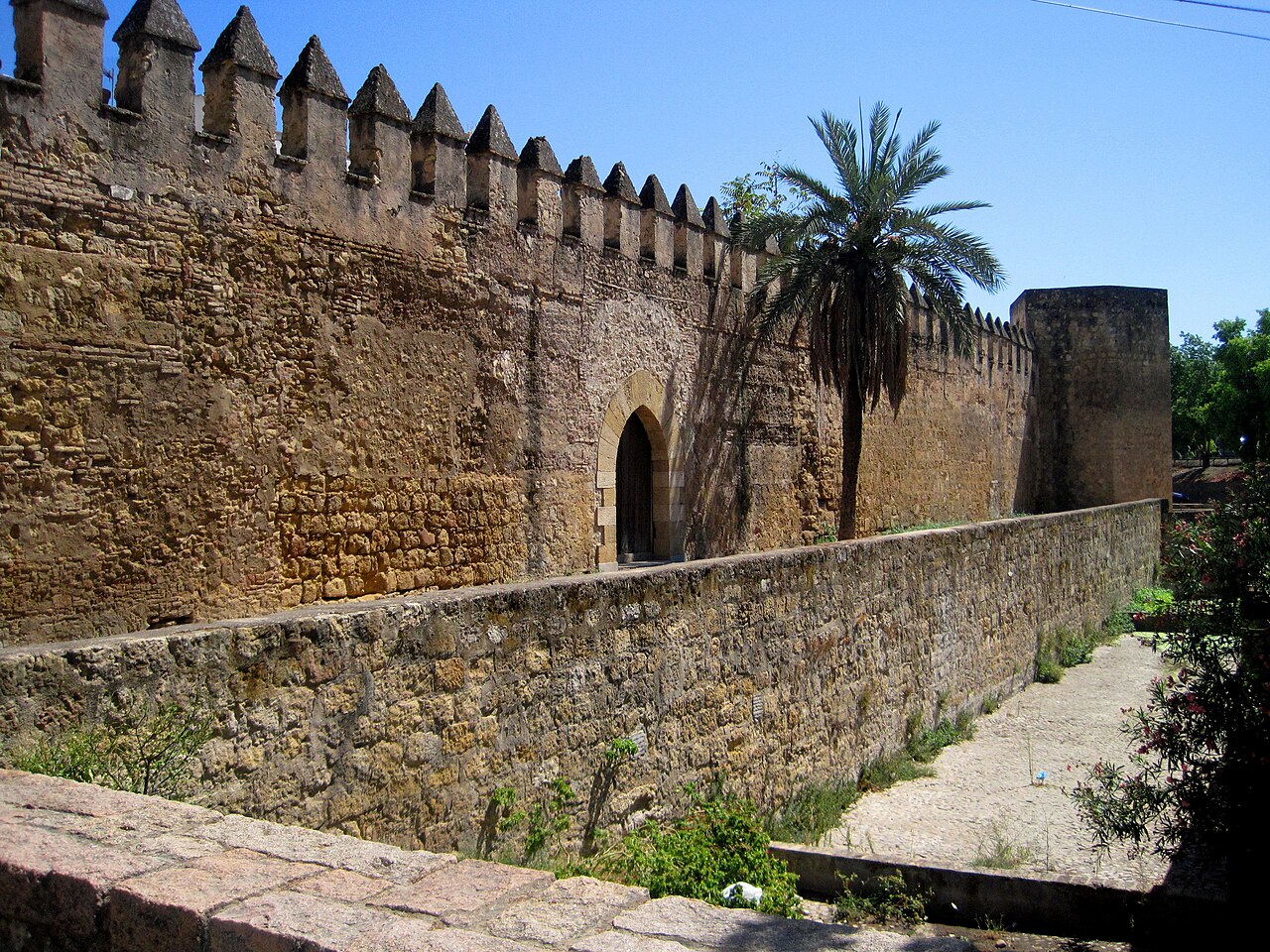
The Roman Walls of Córdoba are the ancient Roman defensive walls of the Roman colonia of Corduba –present-day Córdoba, Spain–, capital of the Roman province of Hispania Baetica. Stretching 2,650 metres (8,690 ft), they were built after the Romans captured the city in 206 BC to defend the ancient Roman town as part of the Roman Republic. The sections of wall still standing and the rest of its vestiges, now form part of the historic center of Córdoba, a UNESCO World Heritage Site since 1984.
Text adapted from “Roman walls of Córdoba” on Wikipedia, CC BY-SA 4.0.
City walls of Córdoba ranks #3,759 of 8,134 worldwide in the atlas's castle fame ranking, and #153 of the 602 mapped in Spain. Founded 206 BC, it is older than 99% of the atlas's dated landmarks — one of 9 atlas entries founded in the 3rd century BC. 8 more atlas landmarks stand within 25 km. The nearest day-trip guide is Jaén, 87 km away. It is one of the 125 landmarks on the atlas's regional map of Andalusia. It is stop 24 of 30 on the Andalusian frontier castles, Cádiz to Córdoba. See how Spain compares in the castle statistics.
View on the interactive castle map →Frequently asked questions
Where is City walls of Córdoba?
City walls of Córdoba stands in Spain, at 37.89247°, -4.76866°.
When was City walls of Córdoba built?
The atlas dates its founding to 206 BC. Earlier structures may have stood on the site; this is the earliest documented founding year.
How famous is City walls of Córdoba?
In this atlas's fame ranking: #3,759 of 8,134 worldwide, and #153 in Spain. Fame here combines how many Wikipedia language editions cover a landmark with how many people read them.
What is the nearest castle to City walls of Córdoba?
Torre de la Malmuerta, about 1 km away.
More castles in Spain
- Door of Palmas Spain
- Palau del Baró de Quadras Spain · 20th century
- Palacio de Rajoy Spain · 18th century
- Palacio de Villena Spain · 15th century
More fortresses
- Qasr Bshir Jordan · 17th century
- Bengaluru Fort India · 16th century
- Fetislam Serbia · 16th century
- Depedogen Montenegro · 15th century