 Portugal · 3rd century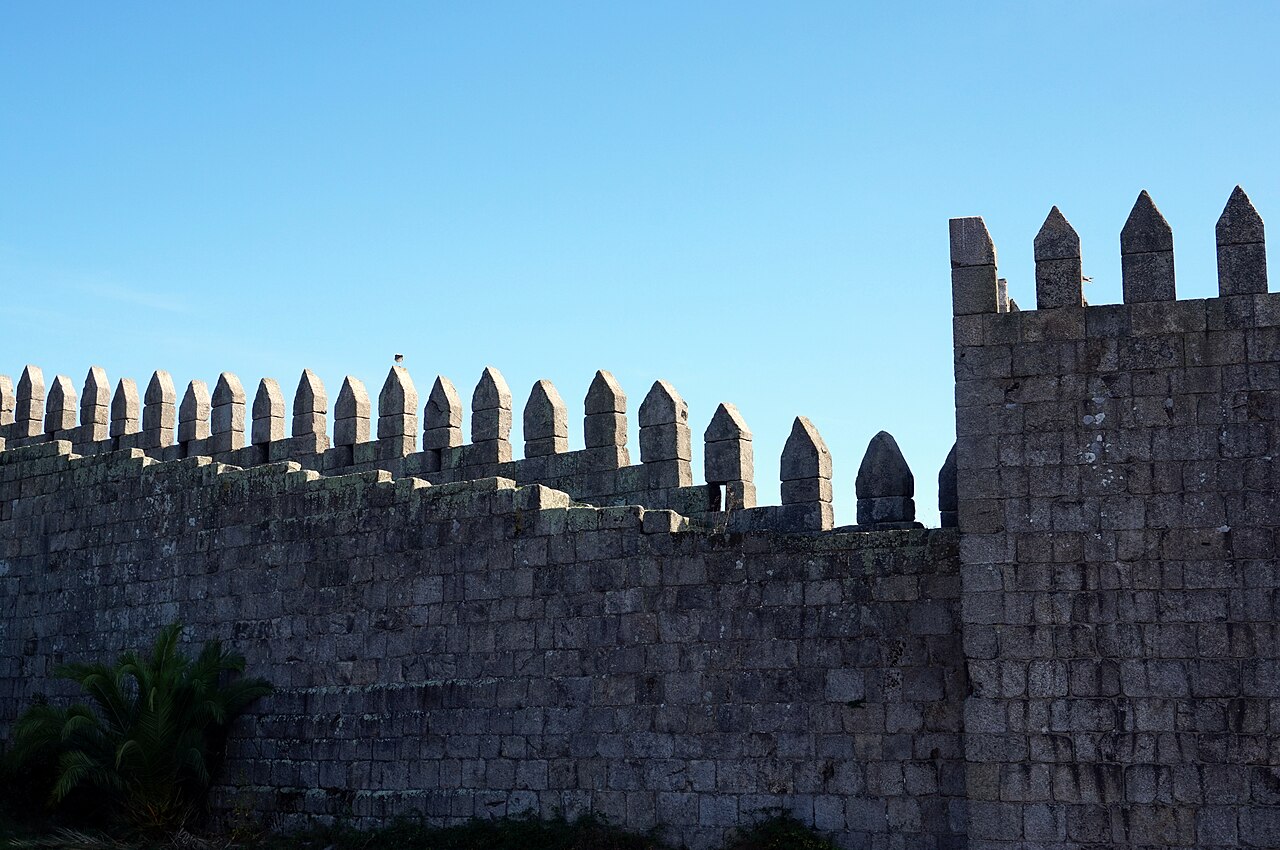
The City Walls of Porto (Portuguese: Muralhas do Porto) are the fortifications that protected and surrounded the city of Porto, Portugal. The city had two defensive walls. The older and smaller one, the Primitive Wall (Muralha Primitiva), also called the Old Enclosure (Cerca Velha), the Romanesque Wall (Muralha Românica) or the Suebi Wall (Muralha Sueva), is of Roman origin from the 3rd century. The second, called the Fernandine Walls (Muralhas Fernandinas), the Gothic Walls (Muralhas Góticas) or the New Enclosure (Cerca Nova), date from the 14th century, begun under King Afonso IV of Portugal and completed during the reign of Ferdinand I, from whom they take their name. Both walls form part of the Historic Centre of Porto, declared a World Heritage Site by UNESCO.
Machine-translated from “Murallas de Oporto” on the Spanish Wikipedia, CC BY-SA 4.0.
City walls of Porto ranks #7,529 of 9,079 worldwide in the atlas's castle fame ranking, and #155 of the 212 mapped in Portugal. Founded c. 250, it is older than 98% of the atlas's dated landmarks — one of 29 atlas entries founded in the 3rd century. 3 more atlas landmarks stand within 25 km. The nearest day-trip guide is Paredes, 24 km away. See how Portugal compares in the castle statistics.
View on the interactive castle map →