 Latvia · 17th century
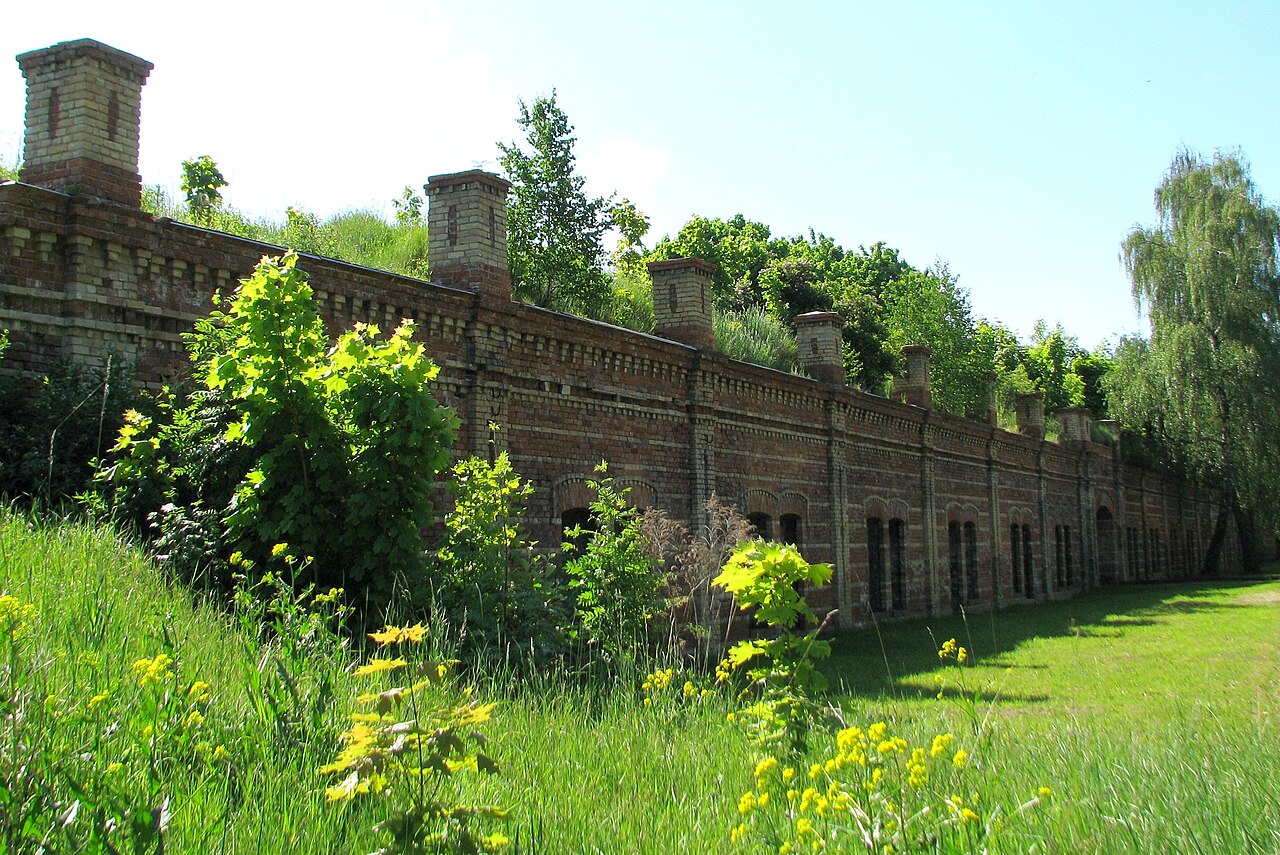
Daugavgrīva fortress (German: Dünamünder Schanze, Festung Dünamünde; Polish: twierdza Dynemunt; Russian: крепость Дюнамюнде, Усть-Двинск; Swedish: Neumünde) is a fortress built in Swedish Livonia in the 17th century. It is located in Daugavgrīva, Riga near the mouth of Buļļupe river branch in the Daugava.
Daugavgrīva fortress has a significant place in the history of Latvia. Bible translator Johann Ernst Glück was living here in 1680-1683, and during World War I the first unit of Latvian troops was established here — the 1st Daugavgrīva Latvian Riflemen Battalion (1915). During the Latvian War of Independence, in 1919, during the Bermontiade, the fortress was captured by the 9th Rēzekne Infantry Regiment of the Latvian Army.
Today the fort is a monument of national significance. Part of its territory is included in the customs territory of the Republic of Latvia.
Text adapted from “Daugavgrīva fortress” on Wikipedia, CC BY-SA 4.0.
Daugavgrīva Fortress ranks #3,158 of 9,035 worldwide in the atlas's castle fame ranking, and #15 of the 47 mapped in Latvia. Founded 1641, it is older than 27% of the atlas's dated landmarks, one of 708 atlas entries founded in the 17th century. Its Wikipedia articles were opened 1,596 times in the last 60 days, more than 64% of the atlas. 3 more atlas landmarks stand within 25 km. The nearest day-trip guide is Riga, 12 km away. See how Latvia compares in the castle statistics.
View on the interactive castle map →