Fortress
Fort de Joux
 France · 11th century
- Founded
- c. 1050
- Style
- Gothic art
- Heritage status
- classified historical monument
- Location
- La Cluse-et-Mijoux
- Coordinates
- 46.8725°, 6.3742°
- Open data
- Wikidata Q1090706
- Links
- OpenStreetMap · Wikimedia Commons
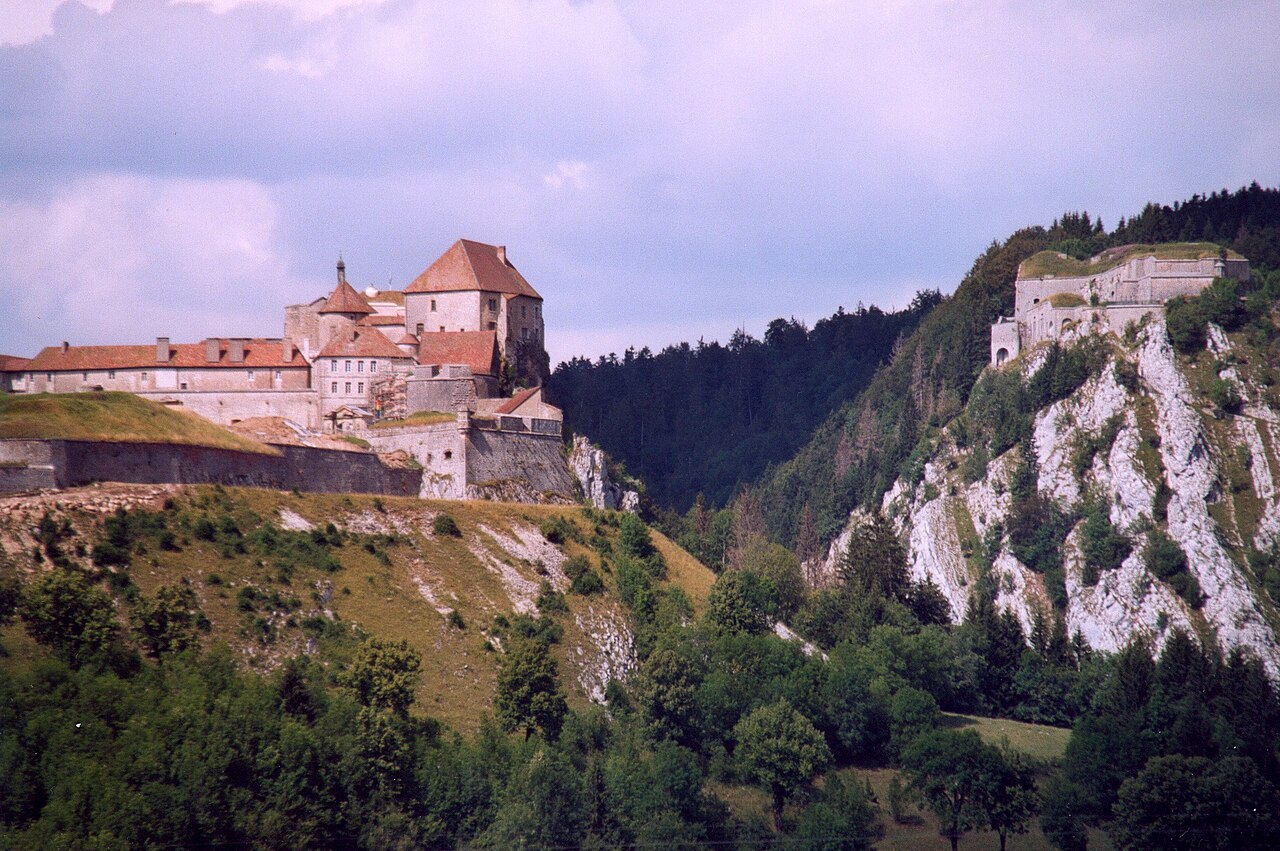
Description
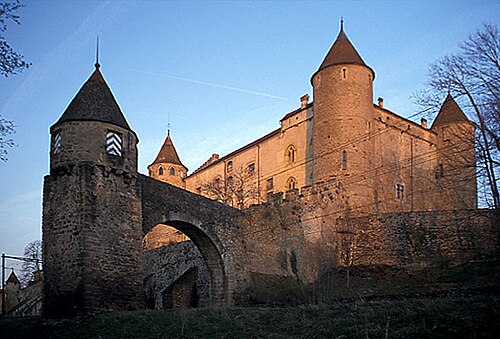
The Fort de Joux (French pronunciation: [fɔʁ də ʒu]) or Château de Joux (French pronunciation: [ʃato də ʒu]) is a castle, later transformed into a fort, located in La Cluse-et-Mijoux in the Doubs department in the Jura Mountains of France. It commands the mountain pass Cluse de Pontarlier.
The Château de Joux has undergone several transformations. The original structure was built in the 11th century and was made of wood. Over the next century, the lords of Joux rebuilt the keep and the external fortifications out of stone. In 1454, Philip the Good, Duke of Burgundy, bought the château and transformed it into a border fort, adding a moat and barracks. The château then passed to Charles the Bold, Mary of Burgundy, Maximilian I, Holy Roman Emperor (Habsburgs), Margaret of Austria, and Charles Quint, with each successive owner making further improvements. Its most famous remodeler was Vauban, who modernised it between 1678 and 1693. It was finally annexed by France in 1678 under Louis XIV.
The Austrians captured the château in 1814. Later, the construction of the forts at Larmont in the 19th century provided reinforcement. In 1879, Captain (later Marshal) Joseph Joffre, then a military engineering officer, modernised the château and transformed it into a fort included in the Maginot Line to prevent German invasion from Swiss territory.
It served as a prison for successive French governments between the 17th and the 19th centuries. In that capacity, the château is best known for imprisoning several famous figures, including Mirabeau, Heinrich von Kleist, and the leader of the Haitian Revolution, Toussaint Louverture, who died there on 7 April 1803.
In addition to being used as a prison, the château played a part in the defence of the region until the First World War.
The fortress currently houses a museum of arms that exhibits more than 600 rare weapons dating from the early 18th to the 20th centuries, including a rare 1717 rifle. The castle also has a well which, at 147 metres (482 ft), was once the deepest in France. Cut with a horizontal gallery and partially filled, it is now the third deepest at about 101 metres (331 ft).
Since 1949, the French Ministry of Culture has listed the château as a monument historique.
Text adapted from “Fort de Joux” on Wikipedia, CC BY-SA 4.0.
In the rankings
Fort de Joux ranks #1,690 of 9,902 worldwide in the atlas's castle fame ranking, and #118 of the 954 mapped in France. Founded c. 1050, it is older than 89% of the atlas's dated landmarks, one of 458 atlas entries founded in the 11th century. Its Wikipedia articles were opened 4,979 times in the last 60 days, more than 88% of the atlas. 5 more atlas landmarks stand within 25 km. The nearest day-trip guide is Lausanne, 43 km away. See how France compares in the castle statistics.
Castles nearby
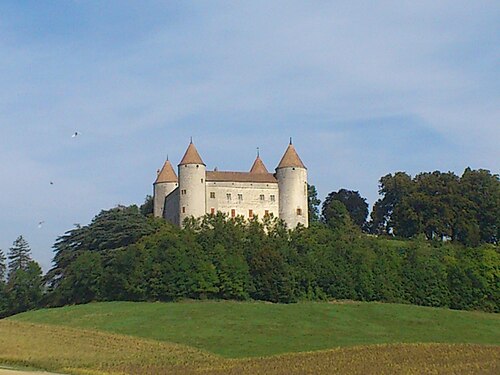
- Champvent Castle
 18 km · Switzerland
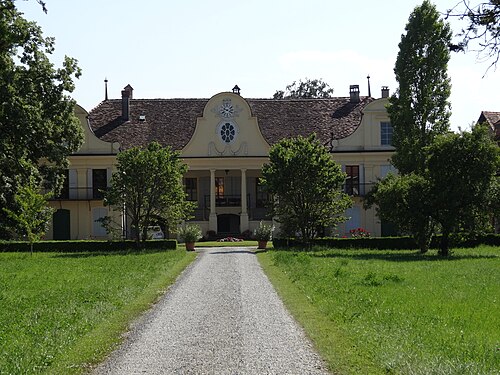
- Mathod Castle19 km · Switzerland
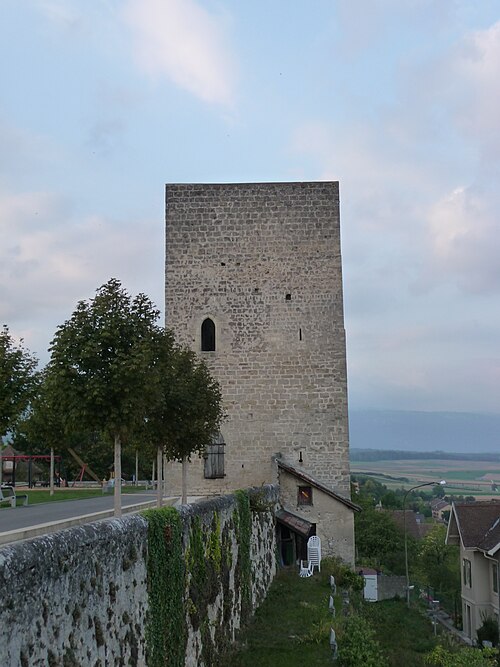
- Orbe Castle20 km · Switzerland
- Grandson Castle22 km · Switzerland
More castles in France
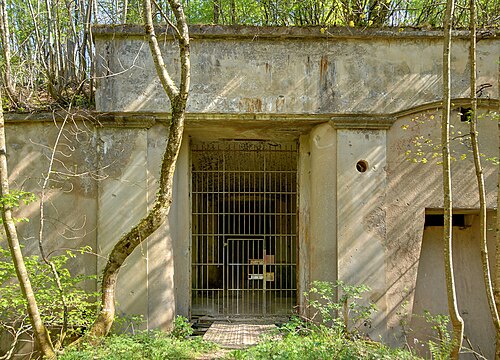
- Fort de RoppeFrance · 19th century
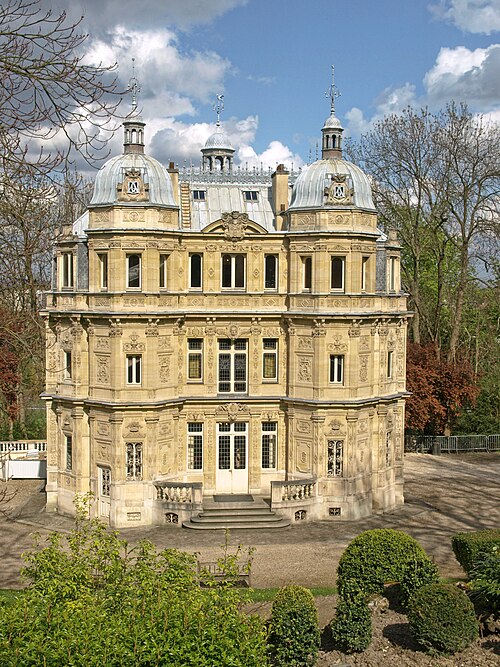
- Château de Monte-CristoFrance · 19th century
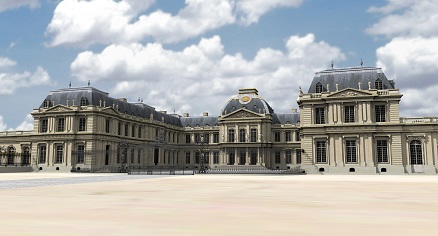
- Château de ClagnyFrance · 17th century
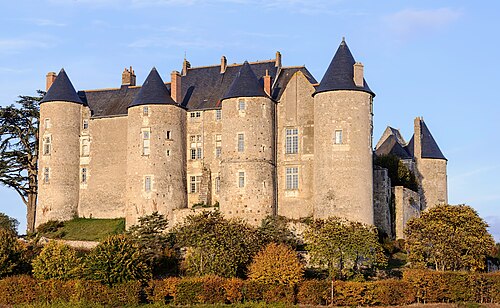
- Château de LuynesFrance · 13th century