 Peru · 19th century
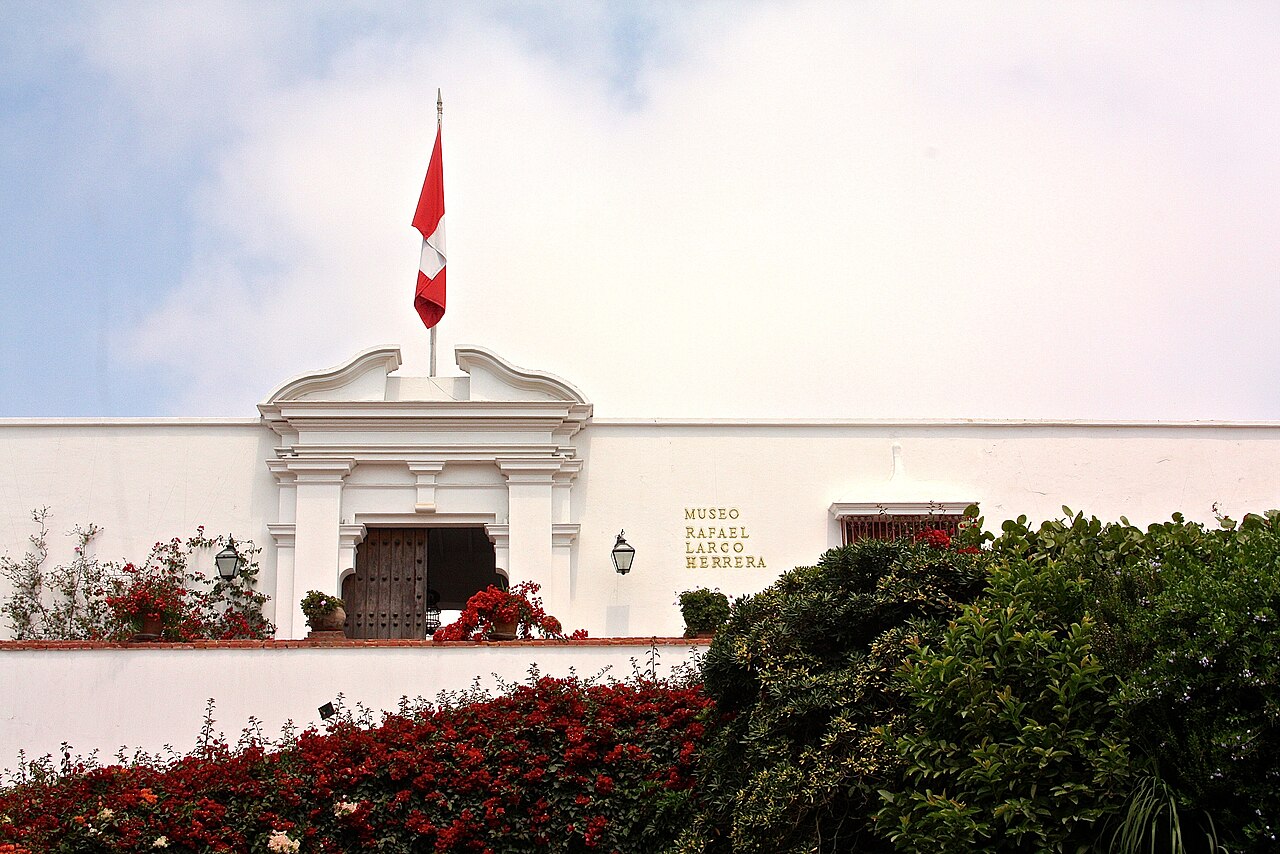
Fort of Santa Catalina ranks #7,159 of 9,040 worldwide in the atlas's castle fame ranking, and #18 of the 18 mapped in Peru. Founded c. 1850, it is older than 7% of the atlas's dated landmarks, one of 705 atlas entries founded in the 19th century. 4 more atlas landmarks stand within 25 km. See how Peru compares in the castle statistics.
The Fort of Santa Catalina (Spanish: Fuerte de Santa Catalina) in Lima, Peru, is a Neoclassical style building that partly survives and it is in a good condition, and it is one of the few examples representative of the military colonial architecture that still exists in Peru. Its remaining premises host the Escuela Taller de Lima and feature the original outerwalls, as well as a chapel known as the Chapel of Saint Barbara (Spanish: Capilla de Santa Bárbara).
It dates to the 1800s and was built on a land called "Huerta de los Llanos" and "Huerta Perdida" or that of the "Cuero", which belonged to the Monasteries of Santa Catalina de Siena and de la Concepción respectively.
The property is registered as property of the Peruvian State in the Margesí of National Heritages: Asiento 12, Foja 37, Volume I of the Book of Properties of Lima having, at present, a total area of 25,250 square meters. The Liman traditionalist Ricardo Palma, in one of his tradiciones peruanas, affirms that during the Viceroy Gabriel de Avilés's government the factory of the Barracks of Santa Catalina was started for an artillery barracks, under the direction of the then colonel, and later Viceroy, Don Joaquín de la Pezuela.
Text adapted from “Fort of Santa Catalina, Lima” on Wikipedia, CC BY-SA 4.0.
View on the interactive castle map →