


 Castles in Peru
21 landmarks in the Castle Map atlas: every one mapped with a photo and its story, 18 with sourced founding dates, ranked by Wikipedia coverage and real readership.
- By type
- 4 fortresses · 4 palaces & châteaux · 13 ruins
- Most famous
- Machu Picchu · #2
- Oldest
- Pikillaqta · 500
- Newest
- Fort of Santa Catalina · c. 1850
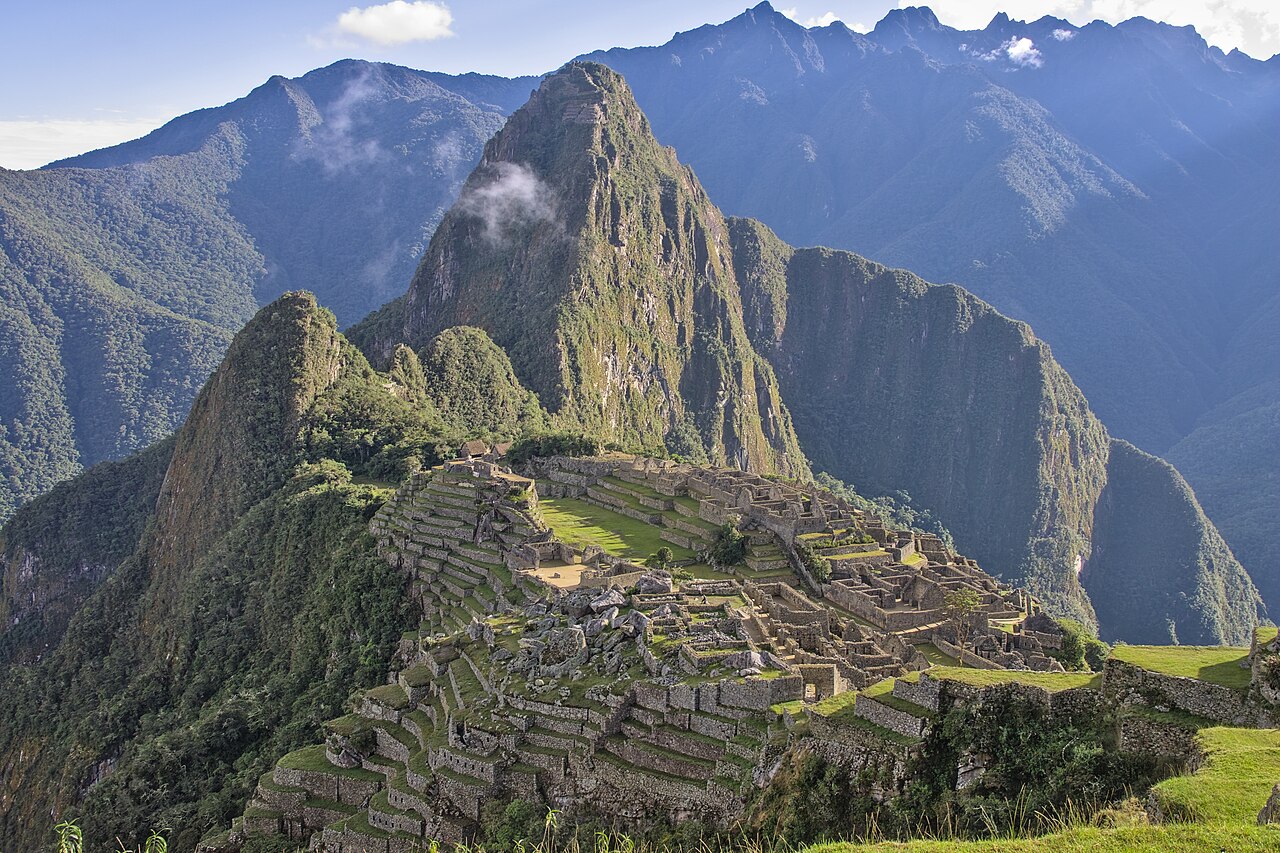
The most famous castle in Peru is Machu Picchu, ranked #2 of 9,902 in the world, followed by Sacsayhuamán and Ollantaytambo.
The Castle Map atlas charts 4 fortresses, 4 palaces & châteaux and 13 ruins in Peru. They span more than 13 centuries, from Pikillaqta (founded 500) to Fort of Santa Catalina (c. 1850). Every one is plotted with its photo and story on the interactive castle map of Peru.
All 21 castles in Peru
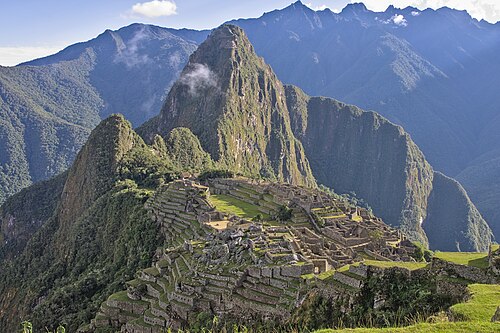
- Machu Picchu15th century · #2 worldwide · #1 in Peru
Machu Picchu is a 15th-century Inca citadel located in the Eastern Cordillera of southern Peru on a mountain ridge at 2,430 meters.
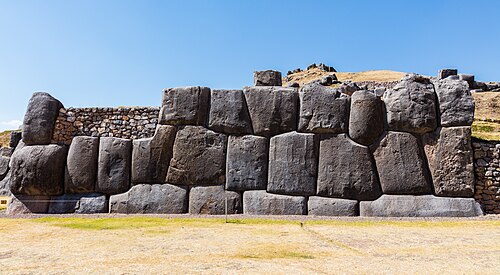
- Sacsayhuamán11th century · #129 worldwide · #2 in Peru
Sacsayhuamán or Saksaywaman is a citadel on the northern outskirts of the city of Cusco, Peru, the historic capital of the Inca Empire.
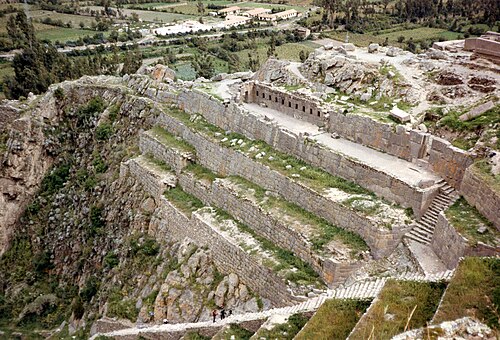
- Ollantaytambo15th century · #158 worldwide · #3 in Peru
Ollantaytambo is a town and an Inca archaeological site in southern Peru some 72 km by road northwest of the city of Cusco.
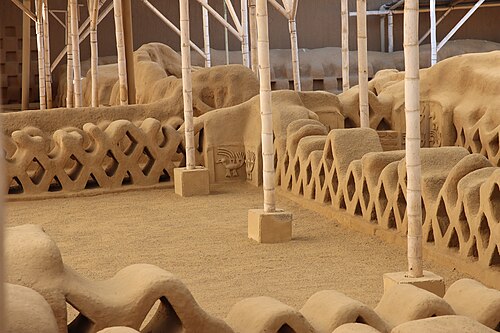
- Chan Chan9th century · #183 worldwide · #4 in Peru
Chan Chan, sometimes called Chimor itself, was the capital city of the Chimor kingdom.
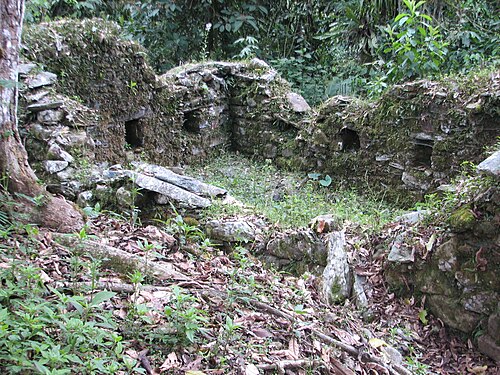
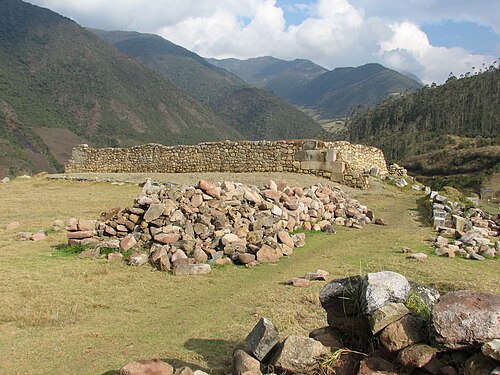
- Vilcabamba16th century · #271 worldwide · #5 in Peru
Vilcabamba or Willkapampa, often called the Lost City of the Incas, is a lost city in the Echarate District of La Convención Province in the Cuzco…
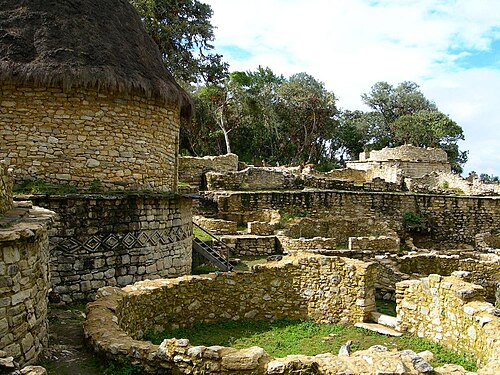
- Kuelap6th century · #6 in Peru
Kuélap or Cuélap is a walled settlement located in the mountains near the towns of María and Tingo, in the southern part of the region of Amazonas,…
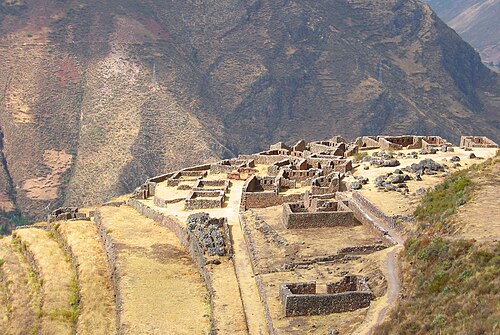
- Písac15th century · #7 in Peru
Písac or Pisac is a Peruvian town in the Sacred Valley of the Incas. It is situated on the Urubamba River.
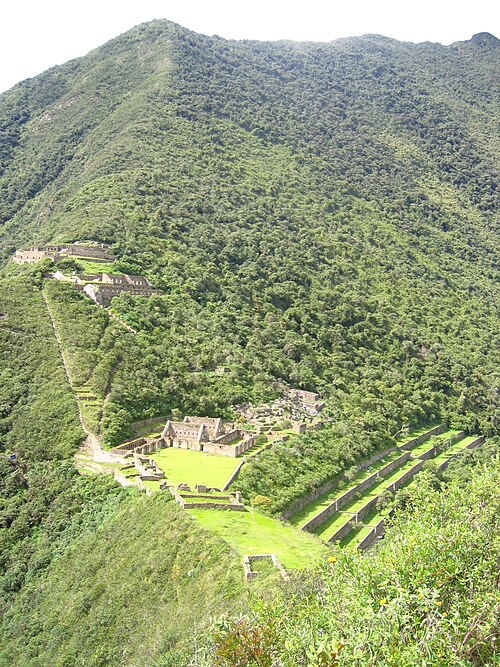
- Choquequirao16th century · #8 in Peru
Choquequirao is a 16th-century Incan site in the Cusco Region of southern Peru.
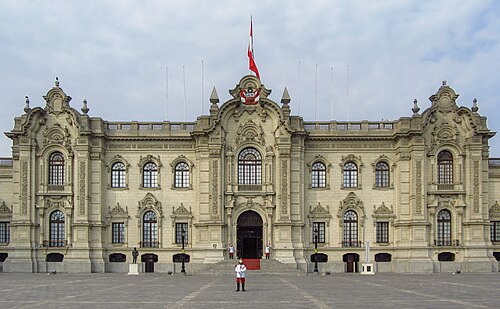
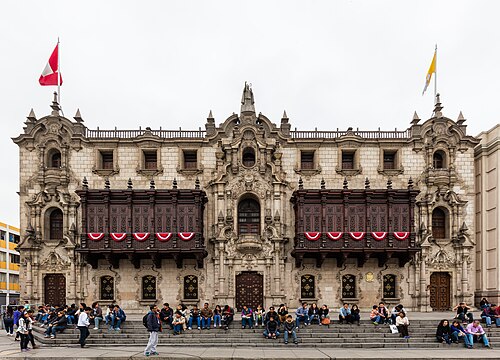
- Government Palace (Peru)16th century · #9 in Peru
The Government Palace, also known as the House of Pizarro, is the seat of the executive branch of the Peruvian government, and the official residence…
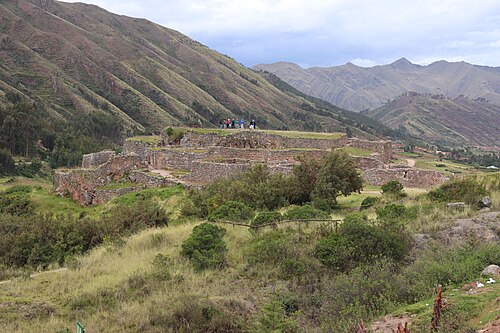
- Puka Pukara15th century · #10 in Peru
Puka Pukara is a site of military ruins in Peru situated in the Cusco Region, Cusco Province, Cusco District, near Cusco.
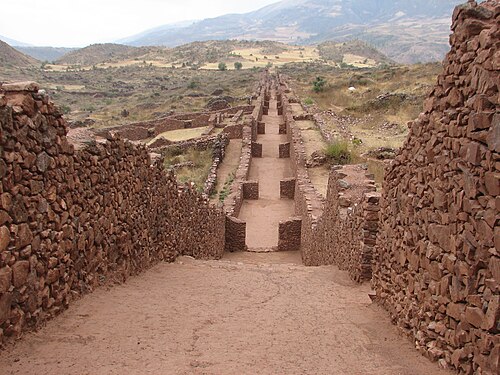
- Pikillaqta5th century · #11 in Peru
Pikillaqta (Quechua piki flea, llaqta a place, "flea place", also spelled Piki Llacta, Pikillacta, Piquillacta, Piquillaqta) is a large Wari culture…
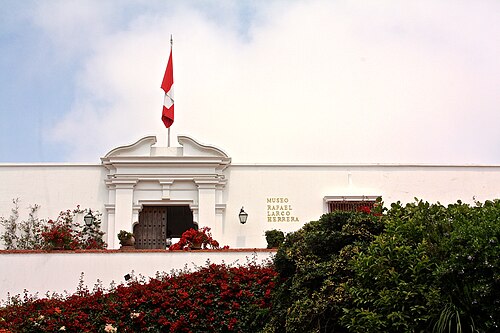
- Archbishop's Palace of Lima#12 in Peru
The Archbishop’s Palace of Lima, the capital of Peru, is the residence of the Archbishop of Lima, and the administrative headquarters of the…
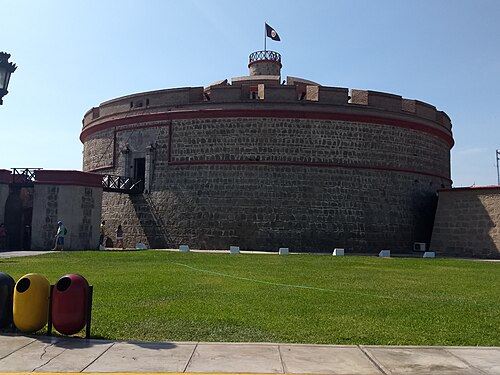
- Real Felipe Fortress18th century · #13 in Peru
The Real Felipe Fortress is a fortress located within the Monumental Zone of Callao, Peru.
- Vitcos#14 in Peru
Vitcos was a residence of Inca nobles and a ceremonial center of the Neo-Inca State.
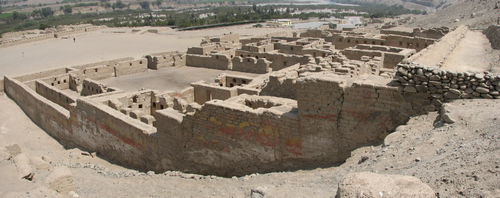
- Tambo Colorado15th century · #15 in Peru
Tambo Colorado is a well-preserved Inca adobe complex near the coast of Peru, also known under the Quechua names Puka Tampu, Pukallaqta or Pukawasi.
- Puruchuco15th century · #16 in Peru
Puruchuco is an archaeological site in Peru that was an administrative center of the Inca period, located in the Ate District, in Lima.
- Torre Tagle Palace18th century · #17 in Peru
The Palacio de Torre Tagle is a residential mansion built during the colonial era of Peru that currently houses offices of the Ministry of Foreign…
- Paramonga14th century · #18 in Peru
Paramonga was an important city constructed at the border of the former Kingdom of Chimor in Peru during the late Intermediate Period, whose capital…
- Huchuy Qosqo15th century · #19 in Peru
Huchuy Qosqo,, is an Incan archaeological site north of Cuzco, Peru. Its name is Quechua for "Little Cuzco".
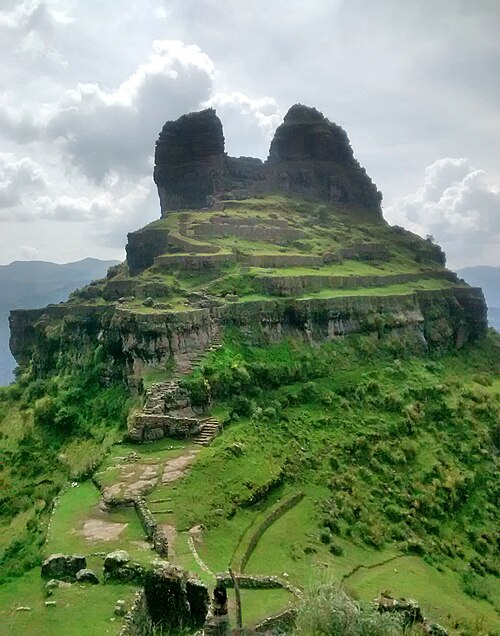
- Waqrapukara#20 in Peru
Waqrapukara or Waqra Pukara is an archaeological site in Peru located in the Cusco Region, Acomayo Province, Acos District.
- Fort of Santa Catalina19th century · #21 in Peru
The Fort of Santa Catalina in Lima, Peru, is a Neoclassical style building that partly survives and it is in a good condition, and it is one of the…
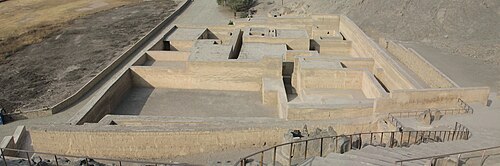
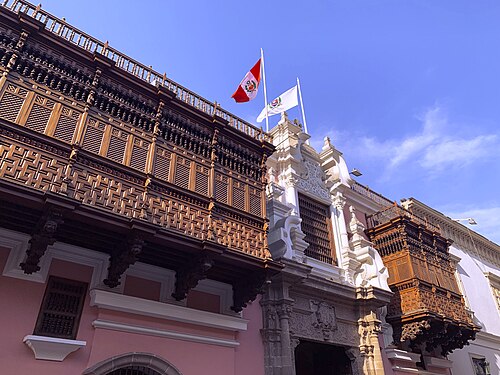
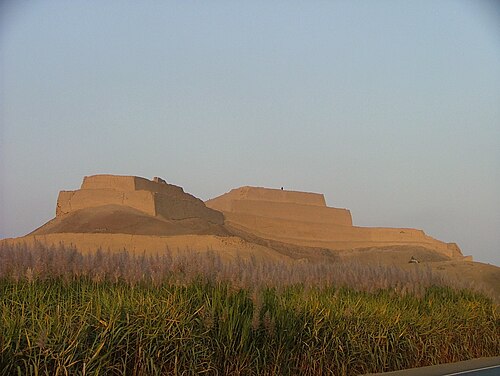
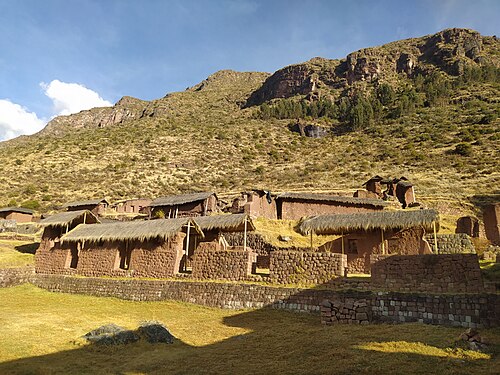

Map of castles in Peru
On the map they cluster thickest around Cusco: 9 within a 100 km day trip. The northernmost is Kuelap, the southernmost Waqrapukara: about 1,086 km apart.
- Castles near CuscoLandmarks 9
When they were built
Of the 21 landmarks mapped in Peru, 18 carry a sourced founding date. Most were founded in the 15th century: 7 of them. 12 predate 1500 and 3 were built after 1700.
Frequently asked questions
How many castles are in Peru?
The Castle Map atlas maps 21 landmarks (4 fortresses · 4 palaces & châteaux · 13 ruins) in Peru: a curated selection of well-documented landmarks from Wikidata, not a count of every fortification ever built.
What is the most famous castle in Peru?
Machu Picchu, ranked #2 of 9,902 worldwide in the atlas's fame ranking, founded in the 15th century.
What is the oldest castle in Peru?
The oldest dated landmark in the atlas in Peru is Pikillaqta, founded 500. Earlier structures may have existed: this is the oldest with a documented founding year.
Where are most of the castles in Peru?
They cluster thickest around Cusco: 9 of the atlas's landmarks within 100 km.
Which castles in Peru are UNESCO World Heritage Sites?
Per Wikidata, 1 of the mapped landmarks holds a UNESCO World Heritage designation, inscribed in its own right or as part of an inscribed ensemble: Chan Chan.