Palace
Hawa Mahal
 India · 18th century
- Founded
- 1799
- Style
- Mughal architecture
- Architect
- Lal Chand Ustad
- Heritage status
- State Protected Monument
- Location
- Jaipur district
- Coordinates
- 26.924°, 75.82672°
- Open data
- Wikidata Q836531
- Links
- OpenStreetMap · Wikimedia Commons

Description
The Hawa Mahal is a palace in the city of Jaipur, Rajasthan, India. Built from red and pink sandstone, it is on the edge of the City Palace, Jaipur, and extends to the Zenana, or women's chambers.
Hawa Mahal, also known as the "Palace of Winds" was built in 1799 by Maharaja Sawai Pratap Singh. The palace is known for its honeycomb-like façade, featuring numerous small windows and balconies.
Hawa Mahal derives its name from its 953 windows, known as jharokhas, which are arranged in a honeycomb-like pattern. These openings facilitate natural ventilation, helping to keep the interior of the palace cool during the summers.
The structure was built in 1799 by the Rajput Emperor Maharaja Sawai Pratap Singh, grandson of Maharaja Sawai Jai Singh, the founder of the city of Jaipur of Rajasthan. He was so inspired by the unique structure of Khetri Mahal that he built this grand and historical palace.
It was designed by Lal Chand Ustad. Its five-floor exterior is akin to a honeycomb with its 953 small windows called Jharokhas decorated with intricate latticework. The original intent of the lattice design was to allow royal ladies to observe everyday life and festivals celebrated in the street below without being seen. This architectural feature also allowed cool air from the Venturi effect to pass through, thus making the whole area more pleasant during the high temperatures in summer. Many people see the Hawa Mahal from the street view and think it is the front of the palace, but it is the back.
In 2006, renovation works on the Mahal were undertaken, after a gap of 50 years, to give a facelift to the monument at an estimated cost of Rs 4.568 million. The corporate sector lent a hand to preserve the historical monuments of Jaipur and the Unit Trust of India has adopted Hawa Mahal to maintain it.
The palace is an extended part of a huge complex.
Text adapted from “Hawa Mahal” on Wikipedia, CC BY-SA 4.0.
In the rankings
Hawa Mahal ranks #61 of 9,902 worldwide in the atlas's castle fame ranking, and #3 of the 238 mapped in India. Founded 1799, it is older than 12% of the atlas's dated landmarks, one of 757 atlas entries founded in the 18th century. Its Wikipedia articles were opened 34,131 times in the last 60 days, more than 99% of the atlas. 6 more atlas landmarks stand within 25 km. The nearest day-trip guide is Jaipur, 1 km away. It is one of the 31 landmarks on the atlas's regional map of Rajasthan. See how India compares in the castle statistics.
Castles nearby
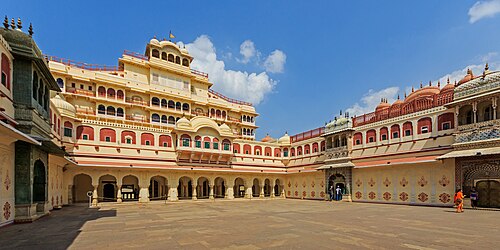
- City Palace, Jaipur1 km · India
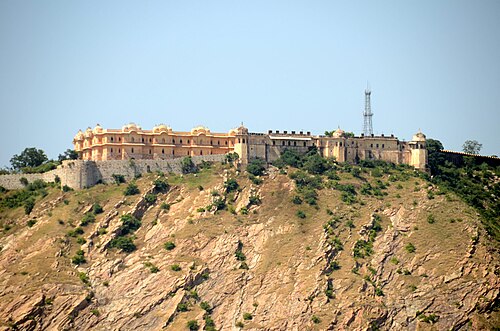
- Nahargarh Fort2 km · India
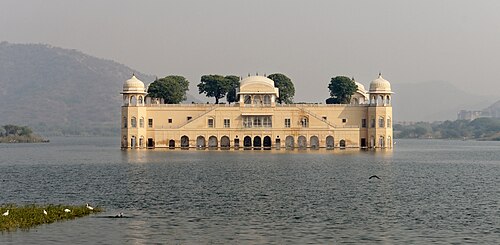
- Jal Mahal4 km · India
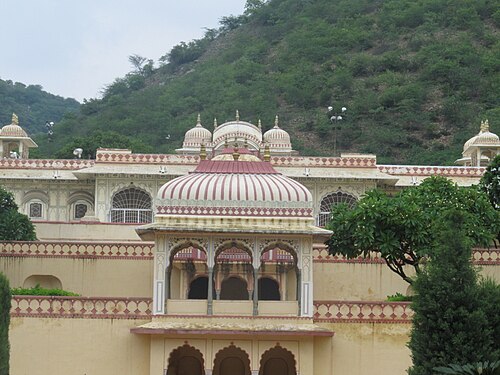
- Sisodiya Rani Bagh4 km · India
More castles in India
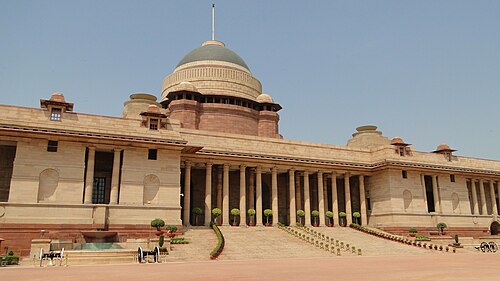
- Rashtrapati BhavanIndia · 20th century
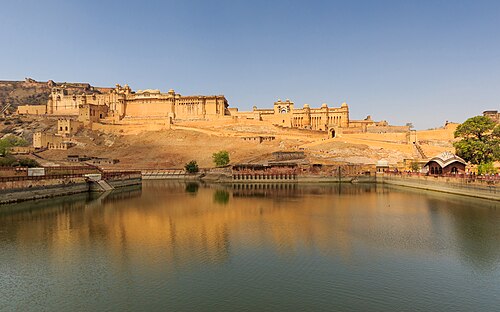
- Amber FortIndia · 16th century
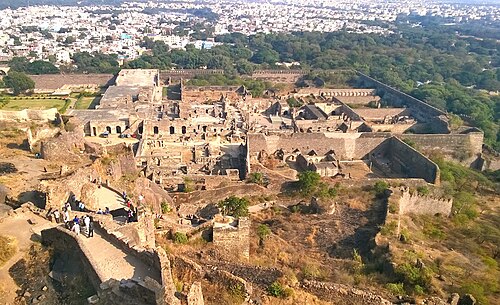
- GolcondaIndia · 12th century
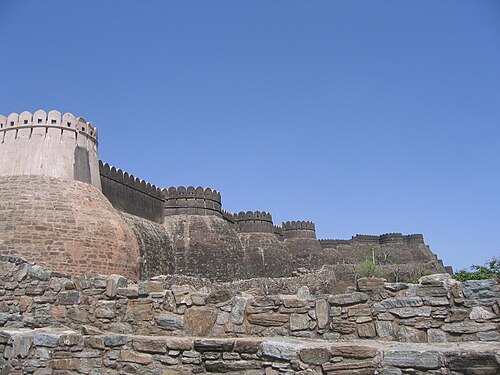
- KumbhalgarhIndia · 15th century