Palace
Royal Pavilion
 England · 18th century
- Founded
- 1787
- Style
- Indo-Saracenic architecture
- Architect
- John Nash
- Heritage status
- Grade I listed building
- Location
- Brighton and Hove
- Coordinates
- 50.82236°, -0.13772°
- Open data
- Wikidata Q62364
- Links
- OpenStreetMap · Wikimedia Commons
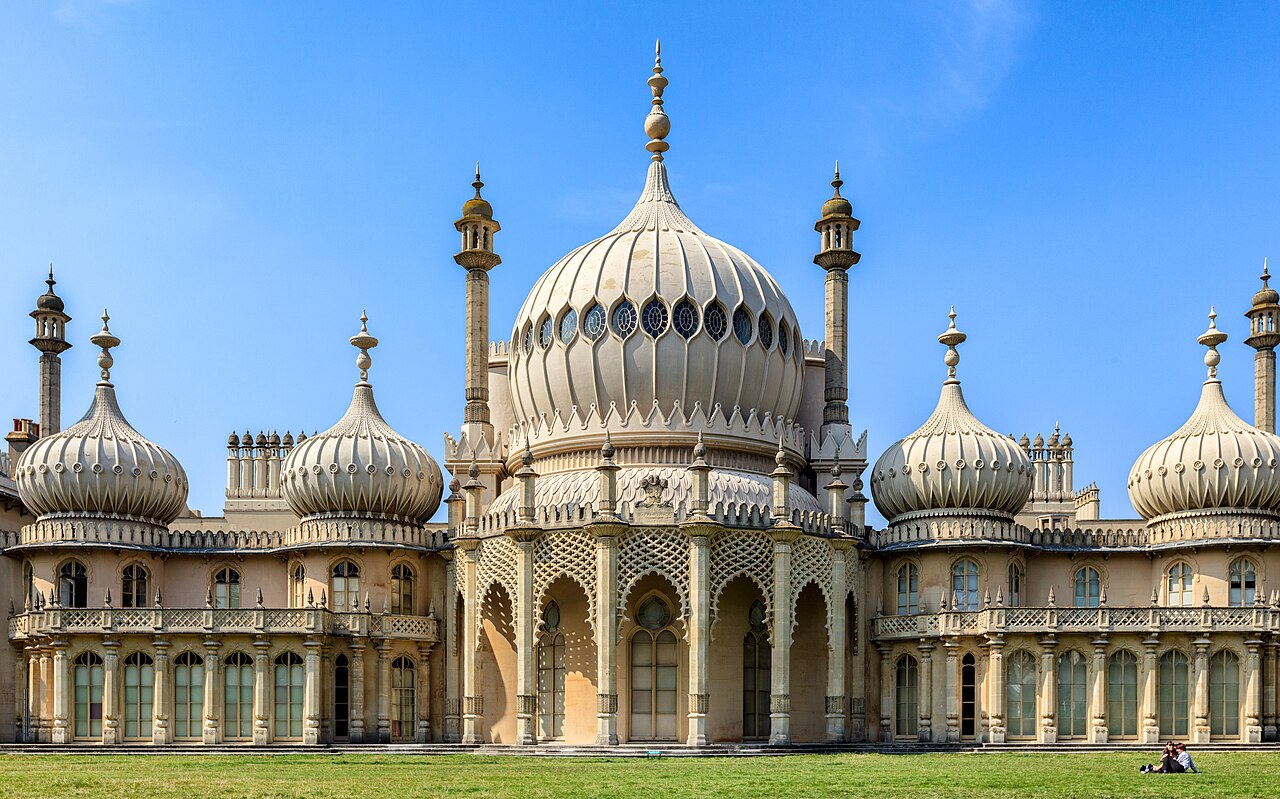
Description
The Royal Pavilion (also known as the Brighton Pavilion) and its surrounding gardens form a Grade I listed former royal residence in Brighton, England. Beginning in 1787, it was built in three stages as a seaside retreat for George, Prince of Wales, who became the Prince Regent in 1811, and King George IV in 1820. It is built in the Indo-Saracenic style prevalent in India for most of the 19th century. The current appearance, with its Mughal inspired features such as bulbous domes, chhatri-topped minarets and cusped arches, is the work of the architect John Nash, who extended the building starting in 1815. George IV's successors William IV and Victoria also used the Pavilion, but Queen Victoria decided that Osborne House should be the royal seaside retreat, and the Pavilion was sold to the city of Brighton in 1850.
Text adapted from “Royal Pavilion” on Wikipedia, CC BY-SA 4.0.
In the rankings
Royal Pavilion ranks #154 of 9,902 worldwide in the atlas's castle fame ranking, and #13 of the 397 mapped in England. Founded 1787, it is older than 13% of the atlas's dated landmarks, one of 757 atlas entries founded in the 18th century. Its Wikipedia articles were opened 27,168 times in the last 60 days, more than 98% of the atlas. 5 more atlas landmarks stand within 25 km. The nearest day-trip guide is Brighton and Hove, 1 km away. See how England compares in the castle statistics.
Castles nearby
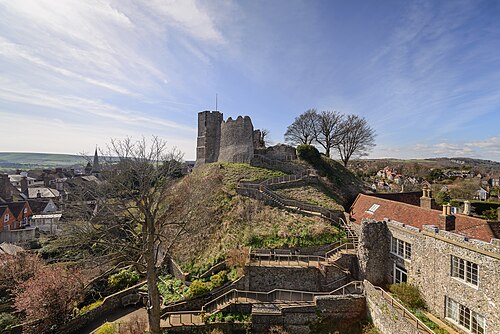
- Lewes Castle12 km · England
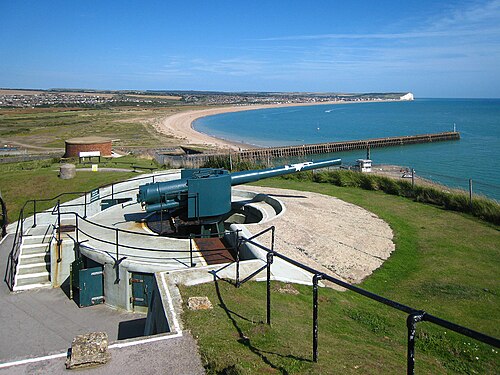
- Newhaven Fort14 km · England
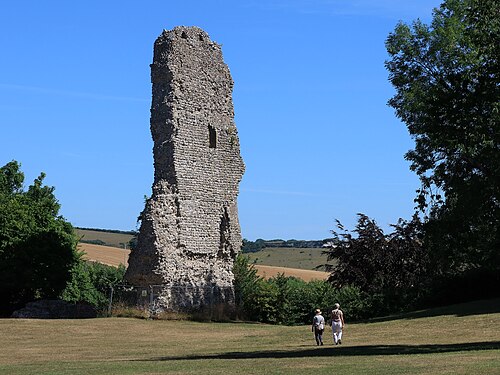
- Bramber Castle14 km · England
- Castle Goring21 km · England
More castles in England
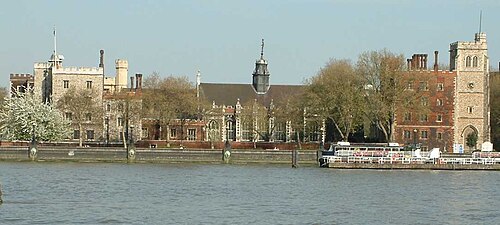
- Lambeth PalaceEngland · 15th century
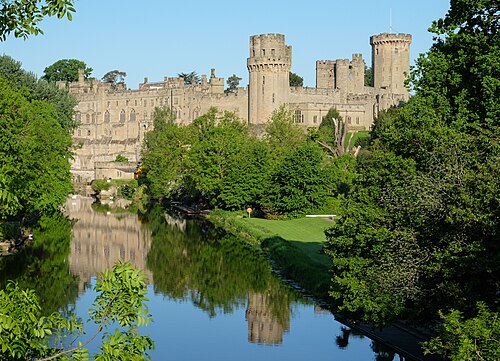
- Warwick CastleEngland · 11th century
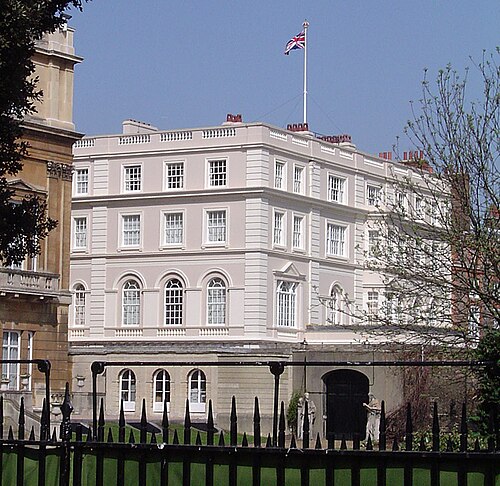
- Clarence HouseEngland · 19th century
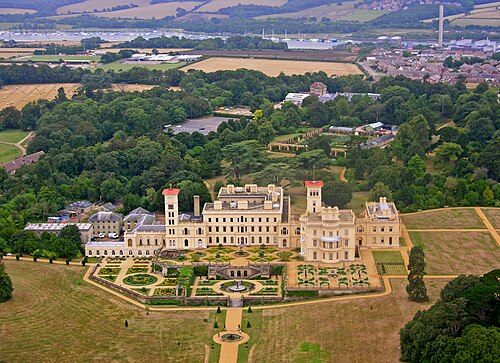
- Osborne HouseEngland · 19th century