Castle
Špilberk Castle
 Czech Republic · 13th century
- Founded
- c. 1300
- Style
- Gothic architecture
- Heritage status
- cultural monument of the Czech Republic · national cultural monument of the Czech Republic
- Location
- Brno-město
- Elevation
- 282 m
- Coordinates
- 49.19444°, 16.59889°
- Open data
- Wikidata Q118256
- Links
- Wikimedia Commons · Plan
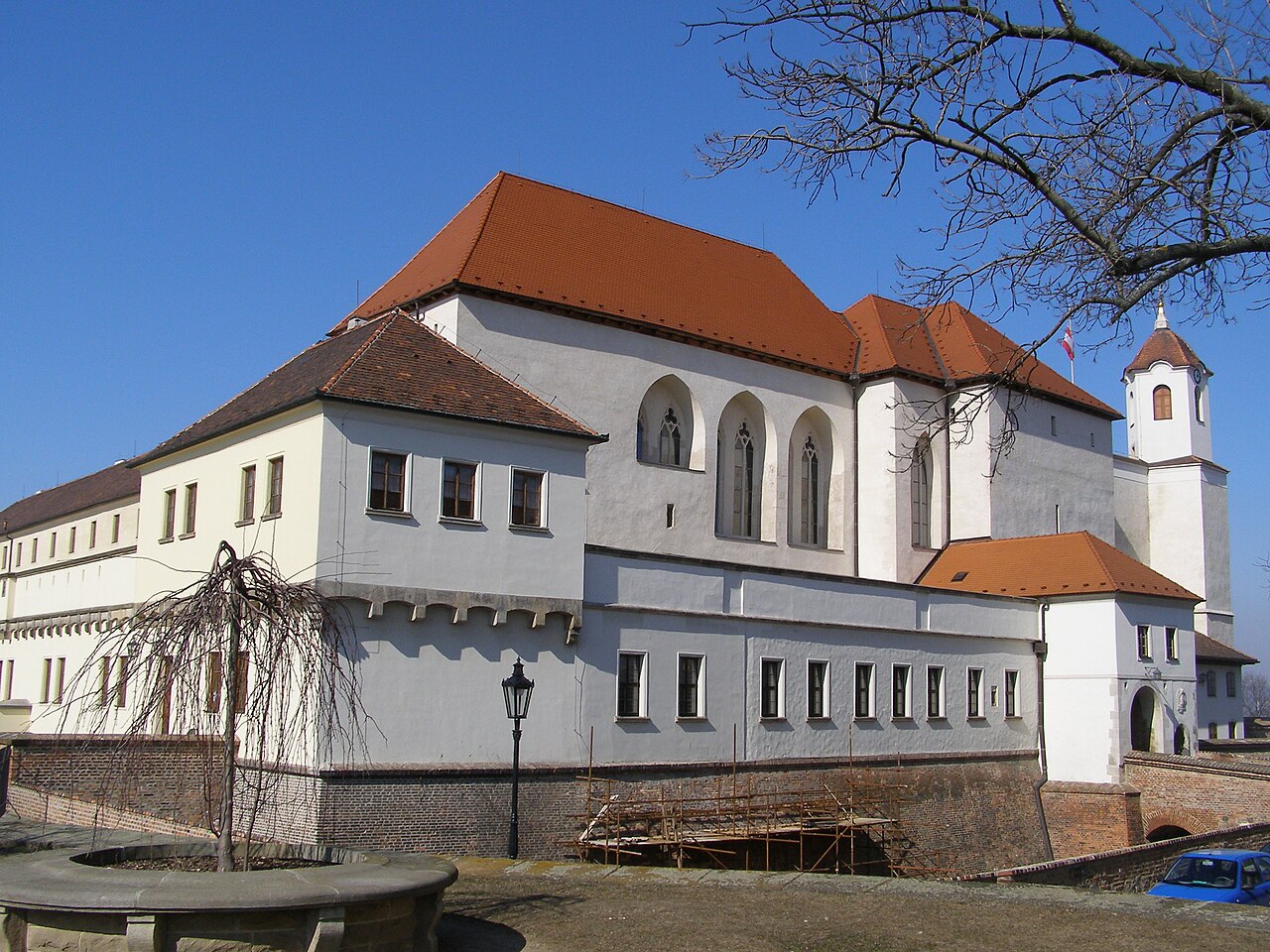
Description
Špilberk Castle (Czech: hrad Špilberk; German: Spielberg, locally Špilas) is a castle on the hilltop in Brno, Southern Moravia. Its construction began as early as the first half of the 13th century by the Přemyslid kings and completed by King Ottokar II of Bohemia.
From a major royal castle established around the mid-13th century, and the seat of the Moravian margraves in the mid-14th century, it was gradually turned into a huge baroque citadel considered the harshest prison in the Austrian Empire, and then into barracks. This prison had always been part of the Špilberk fortress and is frequently referenced by Fabrice Del Dongo, the main protagonist in Stendhal's historical novel The Charterhouse of Parma.
Text adapted from “Špilberk Castle” on Wikipedia, CC BY-SA 4.0.
In the rankings
Špilberk Castle ranks #419 of 9,902 worldwide in the atlas's castle fame ranking, and #7 of the 257 mapped in Czech Republic. Founded c. 1300, it is older than 61% of the atlas's dated landmarks, one of 1134 atlas entries founded in the 13th century. Its Wikipedia articles were opened 9,802 times in the last 60 days, more than 94% of the atlas. 3 more atlas landmarks stand within 25 km. The nearest day-trip guide is Brno, 1 km away. See how Czech Republic compares in the castle statistics.
Castles nearby
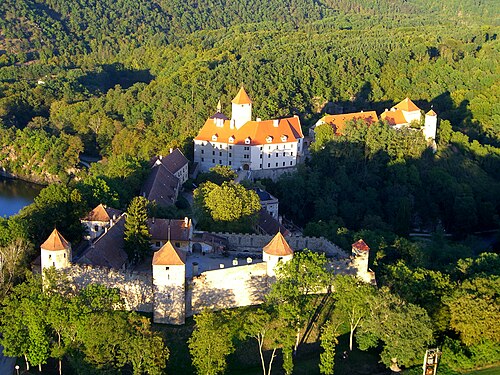
- Veveří Castle12 km · Czech Republic
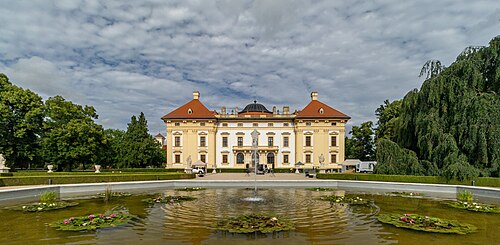
- Slavkov Castle21 km · Czech Republic
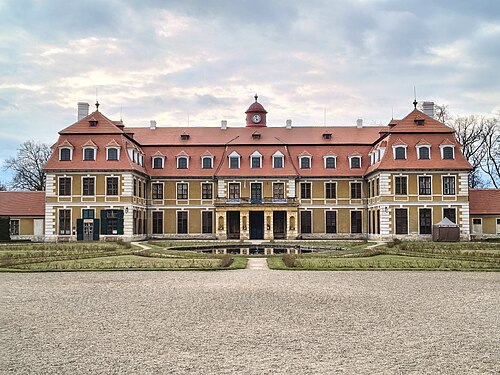
- Rájec nad Svitavou Castle24 km · Czech Republic
- Templštejn28 km · Czech Republic
More castles in the Czech Republic
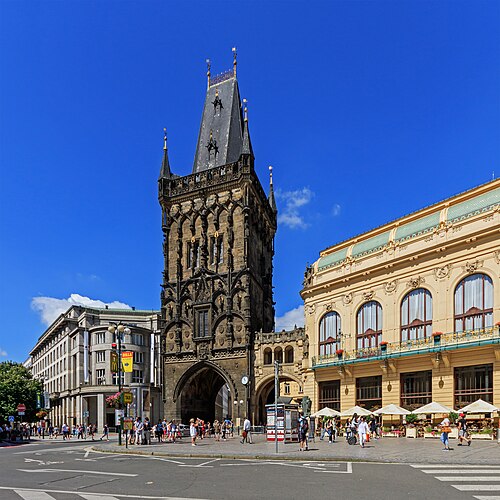
- Powder TowerCzech Republic · 15th century
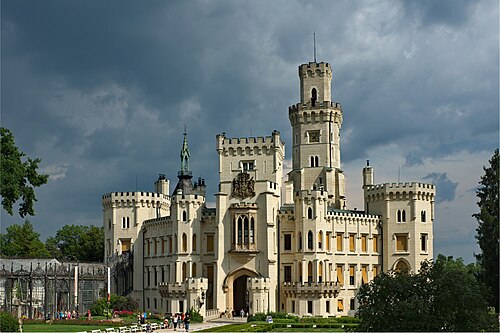
- Hluboká CastleCzech Republic · 13th century
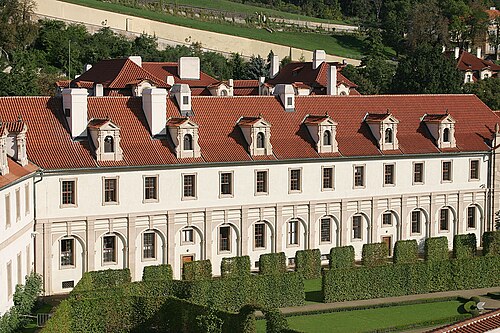
- Wallenstein PalaceCzech Republic · 17th century
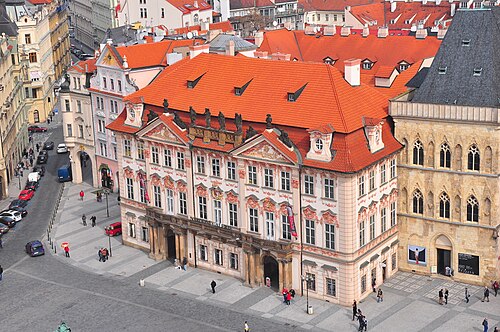
- Kinsky PalaceCzech Republic · 18th century