Palace
Troja Palace
 Czech Republic · 17th century
- Founded
- 1679
- Style
- Baroque architecture
- Architect
- Jean Baptiste Mathey, Giovanni Domenico Orsi
- Heritage status
- cultural monument of the Czech Republic
- Location
- Troja
- Elevation
- 190 m
- Coordinates
- 50.11642°, 14.41288°
- Open data
- Wikidata Q80843
- Links
- Wikimedia Commons
Description
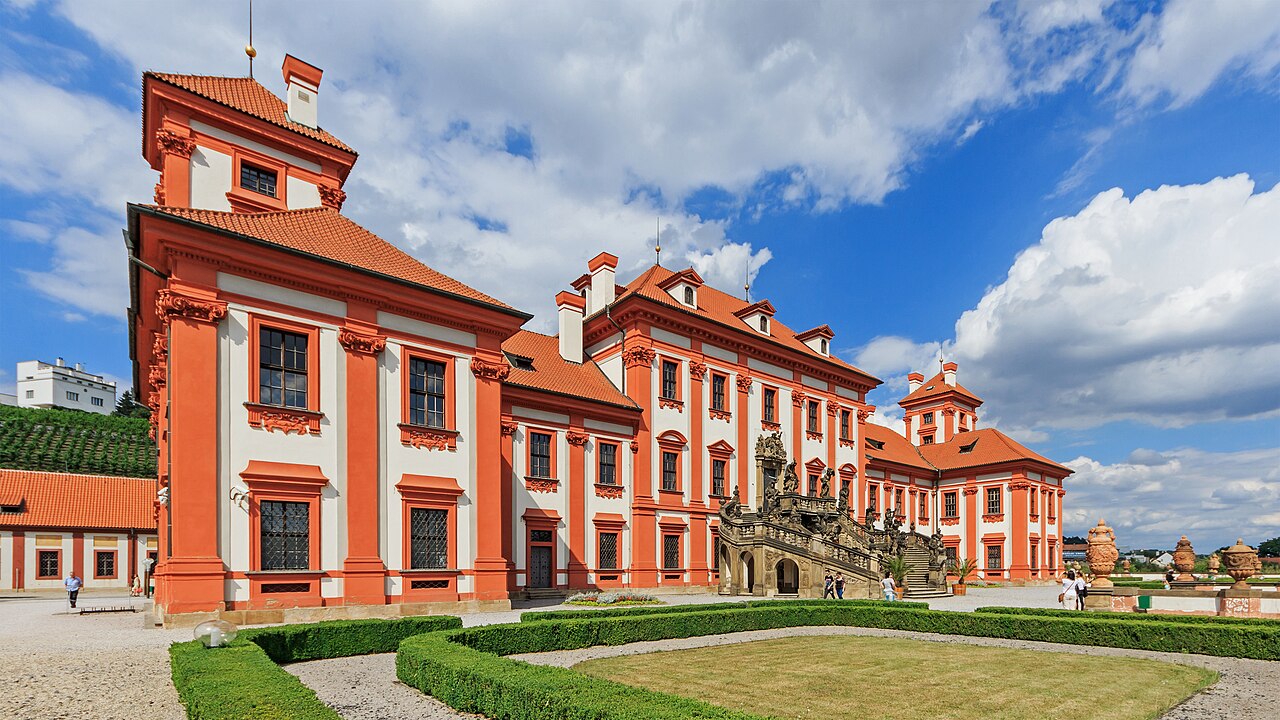
Troja Palace (Czech: Zámek Troja) is a Baroque palace located in Troja, Prague's north-west borough (Czech Republic). It was built for the Counts of Sternberg from 1679 to 1691. The palace is owned by the city of Prague and hosts the 19th century Czech art collections of the City Gallery.
The palace's design has been influenced by French and Italian architecture and is mostly the work of French architect Jean Baptiste Mathey. The latter also built the palais Buquoy in Prague, currently the French embassy. Prior to Mathey, Domenico Orsi worked on the castle. Silvestro Carlone was the Master Builder.
The stairs between the palace and the gardens are the work of two sculptors from Dresden: Johann Georg and Paul Heermann. They sculpted statues representing the fight of gods and giants. The terrace is decorated with a rare collection of vases made by Bombelli, also active in Slavkov u Brna, at Slavkov-Austerlitz castle (close to Brno). The central axis of the garden projects towards the spires of the St. Vitus Cathedral in the Prague Castle.
The palace's main room is decorated with a magnificent baroque Habsburg's apotheosis. Many mythological elements are presented in this trompe-l'œil decoration. It was realised by the brothers Abraham and Izaak Godijn, painters from Antwerp who commenced their work at the castle in 1690. The paintings are considered to be among the best examples of Baroque fresco painting in Northern Europe. The fresco's use illusionist effects and narrate in a triumphalist way the history of the Habsburg Dynasty. The design follows the Baroque schema of architectural symbolism whereby the ceiling depicts the celestial world and the walls the terrestrial world. The ceiling is decorated with celestial beings that were said to protect the Habsburg territories. Underneath the curved surfaces below the ceiling, angels and putti are floating before trompe-l'œil architecture showing scenes from Habsburg history. The walls depict the terrestrial world with one of the scenes on the shorter walls celebrating the victory of Leopold I, Holy Roman Emperor over the Turks. In one scene we see the trompe-l'œil effect of a Turk falling down with his arms outstretched while his shadow is reflected on the painting (see illustration). The longer wall holds statues or busts of the Habsburg rulers in grisaille.
Text adapted from “Troja Palace” on Wikipedia, CC BY-SA 4.0.
In the rankings
Troja Palace ranks #1,140 of 9,902 worldwide in the atlas's castle fame ranking, and #24 of the 257 mapped in Czech Republic. Founded 1679, it is older than 24% of the atlas's dated landmarks, one of 755 atlas entries founded in the 17th century. Its Wikipedia articles were opened 3,162 times in the last 60 days, more than 82% of the atlas. 27 more atlas landmarks stand within 25 km. The nearest day-trip guide is Prague, 3 km away. It is one of the 201 landmarks on the atlas's regional map of Bohemia. It is stop 3 of 28 on the Bohemian castle route, Prague to Český Krumlov. See how Czech Republic compares in the castle statistics.
Castles nearby
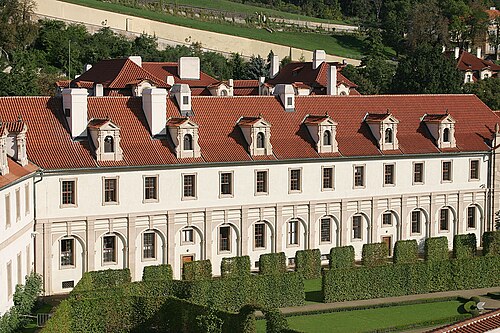
- Wallenstein Palace3 km · Czech Republic
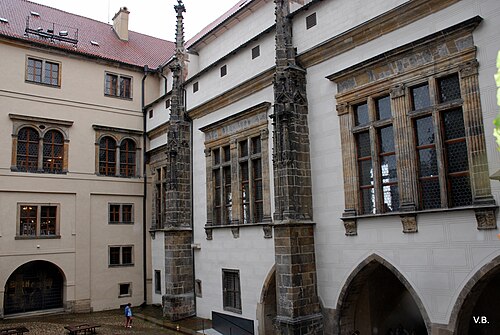
- Old Royal Palace (Prague)3 km · Czech Republic
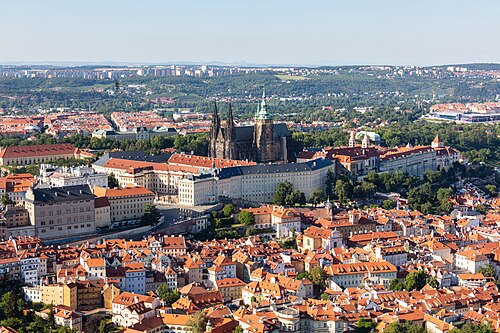
- Prague Castle3 km · Czech Republic
- Thun Palace3 km · Czech Republic
More castles in the Czech Republic
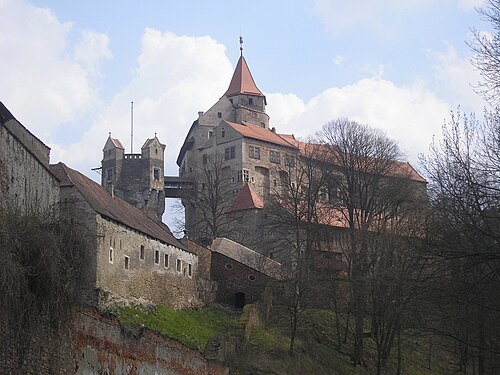
- Pernštejn CastleCzech Republic · 13th century
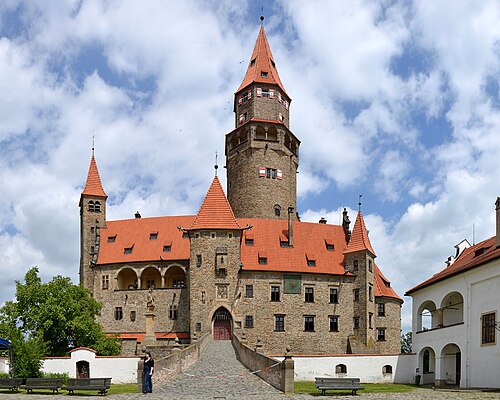
- Bouzov CastleCzech Republic · 13th century
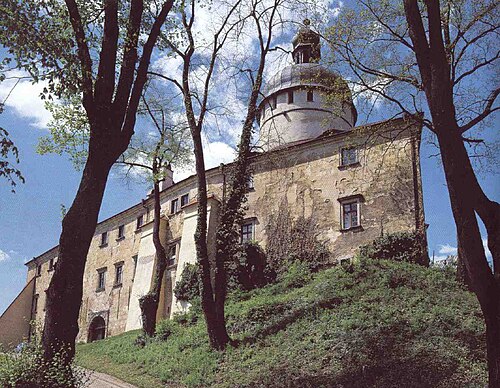
- GrabštejnCzech Republic · 13th century
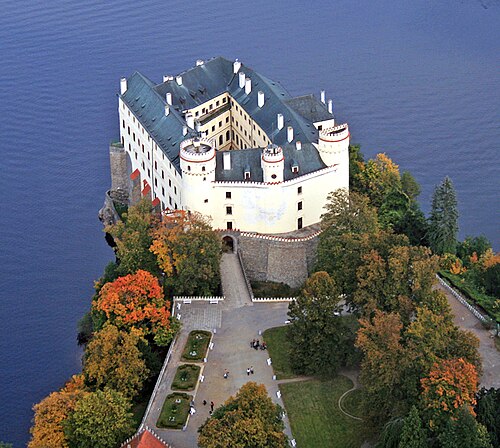
- Orlík CastleCzech Republic · 13th century