 ヨルダン · 紀元前1世紀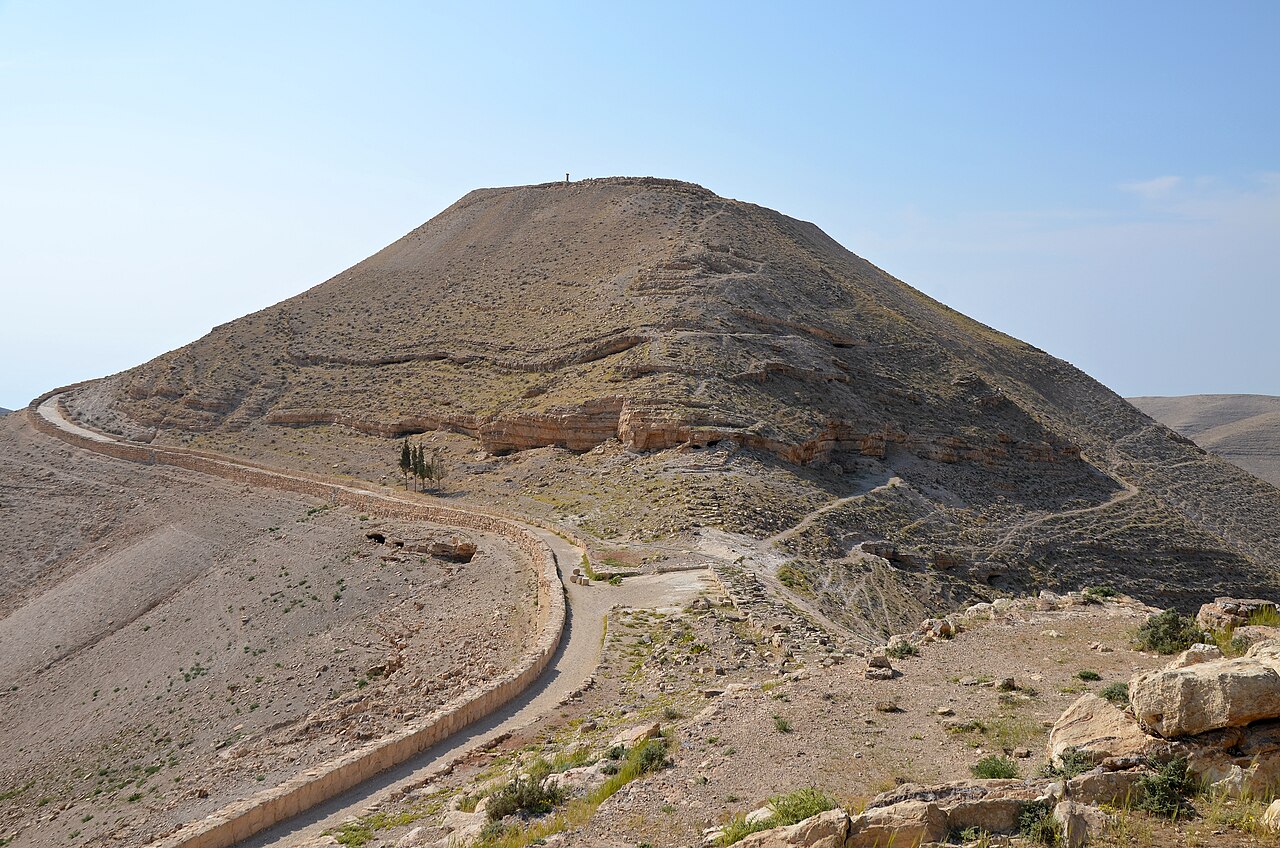
マカイロス(Μαχαιροῦς、古代ギリシア語の μάχαιρα すなわち「マカイラ」[剣]に由来。ヘブライ語: מכוור、アラビア語: قلعة مكاور、ラテン文字転写: Qala'at Mukawir、字義は「ムカーウィル城」)は、ハスモン朝の丘上の宮殿にして砂漠の要塞であり、ヘロデによって再建され、現在は廃墟となって、今日のヨルダンのムカーウィル村にある。この地はヨルダン川河口の南東25キロメートル(16マイル)、死海の東側に位置する。
マカイロスはハスモン朝の王アレクサンドロス・ヤンナイオス(在位 前104–前78年)によって築かれた。のちに前57年、アリストブロス2世との抗争のさなかにローマの将軍ガビニウスによって破壊されたが、その後ヘロデによって再建・拡張され、彼はこれを避難所となりうる場所と考えた。ヘロデは要塞内に宮殿、貯水槽、ミクヴェ、トリクリニウム、ペリスタイルを築いた。第一次ユダヤ戦争でエルサレムが陥落した後、この要塞はローマ支配に対する抵抗の拠点となった。71年、バッススの指揮する第10フレテンシス軍団による包囲の後、主要な指導者であったエレアザルが捕らえられると、ユダヤ人の守備兵はついに降伏した。しかしローマ側は非ユダヤ人住民に関する取り決めを反故にし、男たちを虐殺し、女子供を奴隷とした。
ユダヤ系ローマ人の歴史家フラウィウス・ヨセフスによれば、マカイロスは洗礼者ヨハネが幽閉され処刑された場所である。聖書の年代(マルコ6:24、マタイ14:8)によれば、処刑は2年の幽閉の後、過越の祭りの少し前、およそ32年に行われた。この場所はさらに4人の新約聖書の人物の舞台ともなっている。ヘロデ大王、その子である領主ヘロデ・アンティパス、その二番目の妻である王女ヘロディア、そしてその娘である王女サロメである。
英語版ウィキペディア「Machaerus」より機械翻訳、CC BY-SA 4.0。
マケラスは、アトラスの城の知名度ランキングで世界448位(全9,035件中)、ヨルダンの23件では3位にランクされています。紀元前90年に創建され、アトラスの年代判明済みの城の99%より古い城です(紀元前1世紀に創建されたアトラス収録の16件のひとつ)。 Wikipediaの記事は直近60日で9,468回読まれ、アトラス収録の93%より多くの読者を集めています。最寄りの日帰りガイドは44キロ先のエルサレムです。地域別マップ「レバント」に収録された105件のひとつです。ヨルダンが他とどう比べられるかは、城の統計をご覧ください。
インタラクティブ地図で見る →