Ruina
Château de Coucy
🇫🇷 Francja · XIII wiek
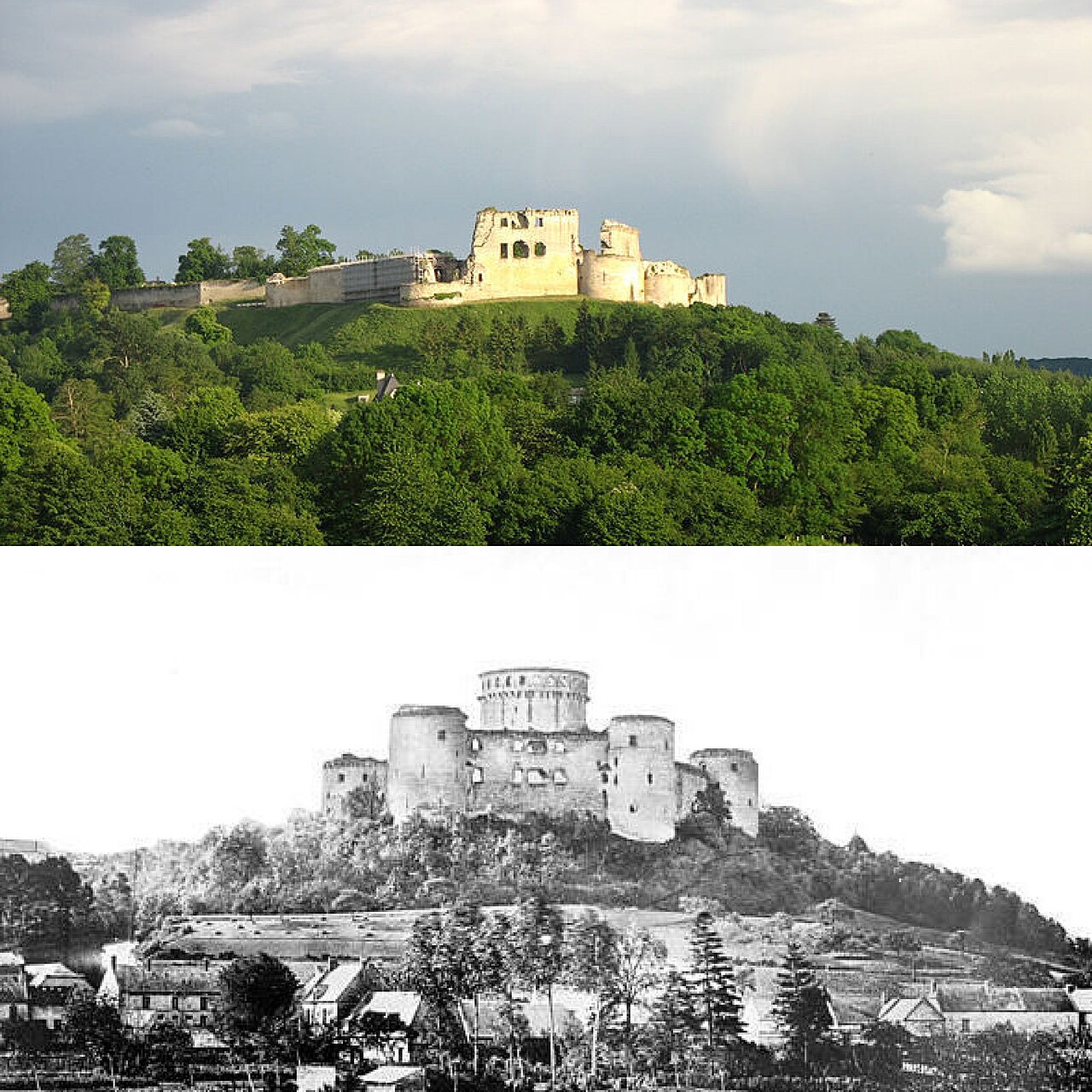
Château de Coucy (pikardyjski: Câtiau Couchy) to francuski zamek w gminie Coucy-le-Château-Auffrique, w Pikardii, zbudowany w XIII wieku i odnowiony przez Eugène'a Viollet-le-Duca w XIX wieku.
W okresie swojej świetności, aż do zniszczenia w 1917 roku, słynął z ogromnej skali swoich fortyfikacji, przede wszystkim z olbrzymiej donżony (wieży głównej) — najwyższej w Europie — oraz z dumy swoich panów, wyrażonej w niepodległościowym rymowanym haśle: roi ne suis, ne prince ne duc ne comte aussi; Je suis le sire de Coucy („Nie jestem królem, ani księciem, ani diukiem, ani hrabią; jestem panem Coucy”). W drugiej połowie XIX wieku i na początku XX wieku stał się także jednym z najczęściej odwiedzanych zabytków we Francji i w 1862 roku został wpisany na listę monument historique.
Zamek był okupowany przez wojska niemieckie od września 1914 roku podczas pierwszej wojny światowej. W marcu 1917 roku, podczas niemieckiego odwrotu na linię Hindenburga w ramach operacji Alberich, miasto Coucy zostało zdewastowane, a zamek — wraz z jego wielką donżoną i wieżami — celowo zniszczony, pozostając w ruinie do dziś.
Tłumaczenie maszynowe artykułu „Château de Coucy” w angielskiej Wikipedii, CC BY-SA 4.0.
Château de Coucy zajmuje 541. miejsce na 8134 w rankingu rozpoznawalności zamków tego atlasu i 49. wśród 525 obiektów we Francji. Data powstania — ok. 1300, wcześniejsza niż u 63% datowanych obiektów atlasu — jeden z 861 obiektów atlasu powstałych w XIII wieku. Artykuły o tym obiekcie w Wikipedii otwarto 7859 razy w ciągu ostatnich 60 dni — więcej niż 91% obiektów atlasu. Najbliższy przewodnik na jednodniowy wypad to Compiègne, 38 km stąd. Zobacz w statystykach zamków, jak wypada Francja.
Zobacz na interaktywnej mapie zamków →Najczęstsze pytania
Gdzie znajduje się Château de Coucy?
Château de Coucy znajduje się we Francji, na współrzędnych 49.52167°, 3.31861°.
Z którego roku pochodzi Château de Coucy?
Atlas podaje rok powstania: ok. 1300. Wcześniejsze budowle mogły stać w tym miejscu — to najstarszy udokumentowany rok.
Które miejsce w rankingu zajmuje Château de Coucy?
W rankingu rozpoznawalności tego atlasu: 541. miejsce na 8134, 49. miejsce we Francji. Rozpoznawalność łączy liczbę wersji językowych Wikipedii z liczbą czytelników.
Château de Coucy — który zamek leży najbliżej?
Twierdza Ham, około 30 km stąd.
Inne zamki we Francji
- Zamek w Chaumont Francja · X wiek
- Zamek w Langeais Francja · X wiek
- Zamek w Cheverny Francja · XVII wiek
- Château de Saint-Cloud Francja · XVI wiek
Inne obiekty: ruiny
- Beeston Castle Anglia · XIII wiek
- Twierdza Antonia Izrael · I wiek p.n.e.
- Qasr al-Hayr al-Gharbi Syria · VIII wiek
- Zamek Montfort Izrael · XIII wiek