Ruina
Denbigh Castle
WLS Walia · XIII wiek
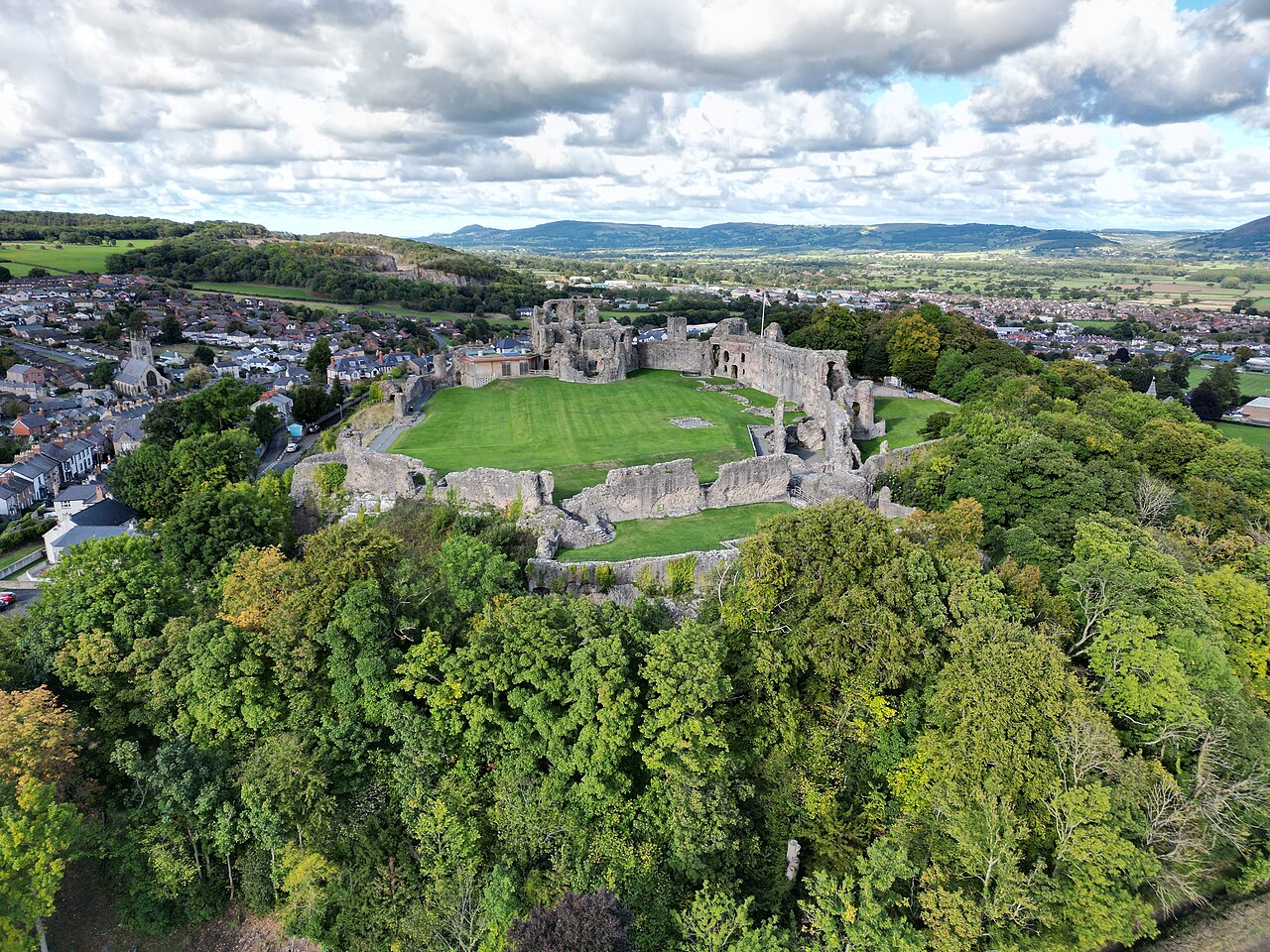
Zamek Denbigh wraz z murami miejskimi (walijski: Castell Dinbych a waliau tref [ˌkastɛɬ ˈdɪnbɨχ]) wzniesiono w celu kontrolowania lordostwa Denbigh po podboju Walii przez Edwarda I Angielskiego w 1282 roku. Ziemie te przyznano Henrykowi de Lacy, hrabiemu Lincoln, który rozpoczął budowę nowego murowanego miasta zasiedlanego przez osadników z Anglii, chronionego przez potężny zamek i otoczonego parkami jeleni przeznaczonymi do polowań. Prace nie zostały ukończone do 1294 roku, kiedy to Walijczycy tymczasowo zajęli zamek podczas powstania Madoga ap Llywelyna. Fortyfikacje wciąż udoskonalano, choć zamek nie był całkowicie ukończony w chwili śmierci Henryka w 1311 roku.
W pierwszej połowie XIV wieku zamek przechodził między różnymi właścicielami, zanim trafił pod kontrolę rodu Mortimerów. Tymczasem murowane miasto okazało się niepraktyczne do zamieszkania i poza fortyfikacjami rozwinęła się nowsza, znacznie większa osada. W 1400 roku murowane miasto zostało najechane podczas powstania Owaina Glyndŵra, choć sam zamek pozostał bezpieczny przez cały czas trwania powstania. Podczas wojen dwóch róż Denbigh zaatakowały siły lankasterskie; murowane miasto zostało zaatakowane i spalone. W następstwie tego stare miasto zostało w dużej mierze opuszczone przez mieszkańców, a otoczony murami obszar stał się przedłużeniem fortyfikacji zamku.
Podczas pierwszej angielskiej wojny domowej Denbigh pozostawał w rękach rojalistów, aż w październiku 1646 roku zajęły go siły parlamentarne. W 1659 roku zamek zajęli żołnierze sprzyjający rojalistom, po czym generał George Monk nakazał jego częściowe zburzenie, niszcząc różne fragmenty murów i wież. Miejsce to w kolejnych latach dalej niszczało, a stare murowane miasto pozostawało niemal opuszczone. W połowie XIX wieku miasto utworzyło komitet do zarządzania ruinami i przeprowadziło prace restauracyjne.
Tłumaczenie maszynowe artykułu „Denbigh Castle and town walls” w angielskiej Wikipedii, CC BY-SA 4.0.
Denbigh Castle zajmuje 2369. miejsce na 8134 w rankingu rozpoznawalności zamków tego atlasu i 37. wśród 100 obiektów w Walii. Data powstania — 1282, wcześniejsza niż u 67% datowanych obiektów atlasu — jeden z 861 obiektów atlasu powstałych w XIII wieku. Artykuły o tym obiekcie w Wikipedii otwarto 1153 razy w ciągu ostatnich 60 dni — więcej niż 52% obiektów atlasu. W promieniu 25 km stoi 7 innych obiektów atlasu. Najbliższy przewodnik na jednodniowy wypad to Wrexham, 32 km stąd. Jest jednym z 27 obiektów na mapie regionalnej „Północna Walia”. Zobacz w statystykach zamków, jak wypada Walia.
Zobacz na interaktywnej mapie zamków →Najczęstsze pytania
Gdzie znajduje się Denbigh Castle?
Denbigh Castle znajduje się w Walii, na współrzędnych 53.18055°, -3.42073°.
Z którego roku pochodzi Denbigh Castle?
Atlas podaje rok powstania: 1282. Wcześniejsze budowle mogły stać w tym miejscu — to najstarszy udokumentowany rok.
Które miejsce w rankingu zajmuje Denbigh Castle?
W rankingu rozpoznawalności tego atlasu: 2369. miejsce na 8134, 37. miejsce w Walii. Rozpoznawalność łączy liczbę wersji językowych Wikipedii z liczbą czytelników.
Denbigh Castle — który zamek leży najbliżej?
Bodelwyddan Castle, około 10 km stąd.
Inne zamki w Walii
- Cardigan Castle Walia · XI wiek
- Carreg Cennen Castle Walia
- Carew Castle Walia · XIII wiek
- Flint Castle Walia · XIII wiek
Inne obiekty: ruiny
- Kildrummy Castle Szkocja · XIII wiek
- Aberdour Castle Szkocja · XII wiek
- Canterbury Castle Anglia · XII wiek
- Zamek Akō Japonia · XVII wiek