Pałac
Deoksugung
🇰🇷 Korea Południowa
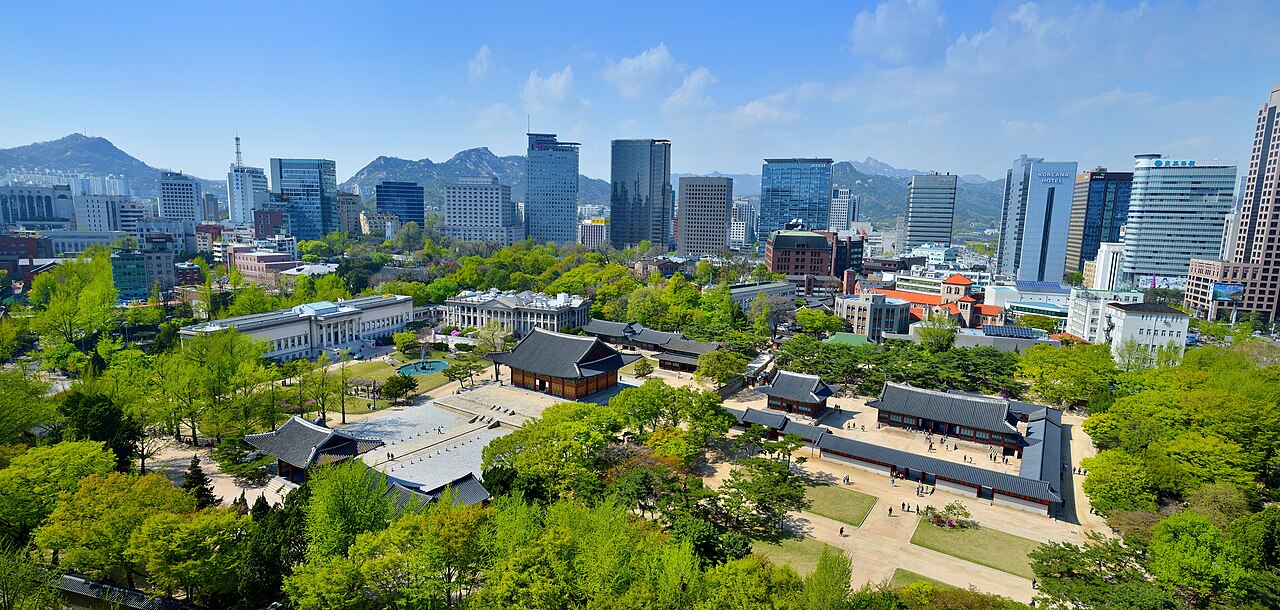
Deoksugung (kor. 덕수궁; hanja: 德壽宮), nazywany również Pałacem Deoksu lub Pałacem Deoksugung, to dawny pałac królewski w Seulu, w Korei Południowej. Był głównym pałacem w okresie Cesarstwa Koreańskiego (1897–1910) i jest dziś ważną atrakcją turystyczną. Łączy tradycyjną koreańską i zachodnią architekturę, odzwierciedlając swoją historię. Wewnątrz pałacu znajdują się Muzeum Historii Cesarstwa Daehan oraz oddział Deoksugung Narodowego Muzeum Sztuki Współczesnej.
Pałac był po raz pierwszy używany jako tymczasowa rezydencja przez króla Sonjo podczas wojny imdzin w latach 1592–1598, gdy pozostałe pałace zostały zniszczone. W 1611 roku uczyniono go oficjalnym pałacem pod nazwą Gyeongungung (przemianowanym na „Deoksugung” w 1907 roku). Następnie pałac pozostawał w dużej mierze nieużywany aż do końca XIX wieku.
W 1897 roku Gojong ogłosił utworzenie Cesarstwa Koreańskiego i uczynił Gyeongungung głównym pałacem cesarstwa. Starał się uczynić z pałacu symbol dążeń Korei do modernizacji. Szybko go rozbudował, nabywając grunty od okolicznych posiadłości i wznosząc nowe budynki zarówno w stylu koreańskim, jak i zachodnim. Pod jego rządami wzniesiono główne budynki pałacu, Junghwajeon i Seokjojeon. Mimo starań o utrzymanie niepodległości Korei, w 1907 roku został zmuszony do abdykacji, a w 1910 roku Korea została skolonizowana przez Japonię. Mieszkał w pałacu aż do swojej śmierci w 1919 roku.
Po śmierci Gojonga władze kolonialne szybko przystąpiły do wyprzedaży i demontażu mienia pałacu. Do 1930 roku pozostało 18 z pierwotnych budynków. W 1933 roku pałac przekształcono w park publiczny. W 1938 roku dobudowano zachodnie skrzydło do Seokjojeon, a oba budynki razem stały się Muzeum Sztuki Rodziny Królewskiej Yi. Po tych działaniach mających otworzyć pałac dla zwiedzających pozostało już tylko 8 pierwotnych budynków.
Tłumaczenie maszynowe artykułu „Deoksugung” w angielskiej Wikipedii, CC BY-SA 4.0.
Deoksugung zajmuje 392. miejsce na 8134 w rankingu rozpoznawalności zamków tego atlasu i 6. wśród 58 obiektów w Korei Południowej. Artykuły o tym obiekcie w Wikipedii otwarto 8747 razy w ciągu ostatnich 60 dni — więcej niż 92% obiektów atlasu. W promieniu 25 km stoi 15 innych obiektów atlasu. Najbliższy przewodnik na jednodniowy wypad to Seul, 1 km stąd. Zobacz w statystykach zamków, jak wypada Korea Południowa.
Zobacz na interaktywnej mapie zamków →Najczęstsze pytania
Gdzie znajduje się Deoksugung?
Deoksugung znajduje się w Korei Południowej, na współrzędnych 37.56611°, 126.975°.
Które miejsce w rankingu zajmuje Deoksugung?
W rankingu rozpoznawalności tego atlasu: 392. miejsce na 8134, 6. miejsce w Korei Południowej. Rozpoznawalność łączy liczbę wersji językowych Wikipedii z liczbą czytelników.
Deoksugung — który zamek leży najbliżej?
Sungnyemun, około 1 km stąd.
Inne zamki w Korei Południowej
- Changgyeonggung Korea Południowa · XV wiek
- Seoul City Wall Korea Południowa · XIV wiek
- Wolseong Korea Południowa · II wiek
- Bukhansanseong Korea Południowa · II wiek
Inne obiekty: pałace
- Pałac Beylerbeyi Turcja · XIX wiek
- Palazzo Venezia Włochy · XV wiek
- Pałac Królewski w Oslo Norwegia · XIX wiek
- Palais du Tau Francja · XV wiek