Pałac
Imperial City of Hue
🇻🇳 Wietnam · XIX wiek
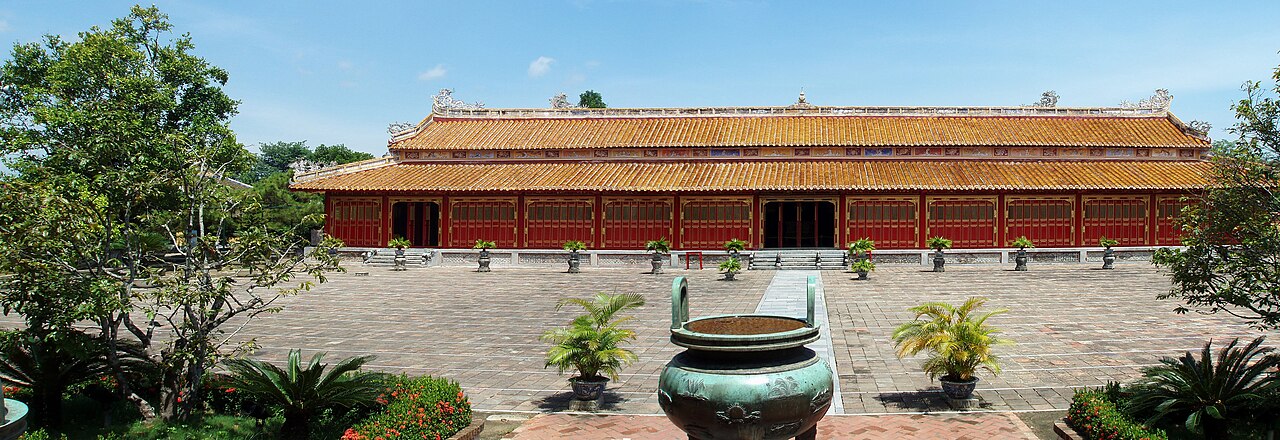
Cesarskie Miasto, czyli Pałac Cesarski (wiet. Hoàng thành; chữ Hán: 皇城), znany też jako Đại Nội (大內), to zespół pałacowy w obrębie murowanego miasta (wiet. Kinh thành; chữ Hán: 京城) w Huế, dawnej stolicy cesarskiej Wietnamu w okresie dynastii Nguyễn. Obejmuje pałace, w których mieszkała rodzina cesarska, a także świątynie, ogrody i biura urzędnicze mandarynów. Wzniesiony w 1804 roku za panowania cesarza Gia Longa jako nowa stolica, a następnie przebudowany i rozbudowany do obecnej skali w 1833 roku, pełnił głównie funkcję ceremonialną oraz rezydencji cesarskiej w okresie kolonialnym francuskim. Po zakończeniu monarchii w 1945 roku poniósł znaczne szkody i był zaniedbywany podczas wojen indochińskich, aż do lat 80. XX wieku. Cesarskie Miasto zostało w 1993 roku wpisane przez UNESCO na Listę Światowego Dziedzictwa jako część Zespołu Zabytków Huế i obecnie trwa jego rewaloryzacja.
Tłumaczenie maszynowe artykułu „Imperial City of Huế” w angielskiej Wikipedii, CC BY-SA 4.0.
Imperial City of Hue zajmuje 417. miejsce na 8134 w rankingu rozpoznawalności zamków tego atlasu i 2. wśród 10 obiektów w Wietnamie. Data powstania — 1833, wcześniejsza niż u 11% datowanych obiektów atlasu — jeden z 607 obiektów atlasu powstałych w XIX wieku. Artykuły o tym obiekcie w Wikipedii otwarto 19 586 razy w ciągu ostatnich 60 dni — więcej niż 97% obiektów atlasu. Zobacz w statystykach zamków, jak wypada Wietnam.
Zobacz na interaktywnej mapie zamków →Najczęstsze pytania
Gdzie znajduje się Imperial City of Hue?
Imperial City of Hue znajduje się w Wietnamie, na współrzędnych 16.46944°, 107.57778°.
Z którego roku pochodzi Imperial City of Hue?
Atlas podaje rok powstania: 1833. Wcześniejsze budowle mogły stać w tym miejscu — to najstarszy udokumentowany rok.
Które miejsce w rankingu zajmuje Imperial City of Hue?
W rankingu rozpoznawalności tego atlasu: 417. miejsce na 8134, 2. miejsce w Wietnamie. Rozpoznawalność łączy liczbę wersji językowych Wikipedii z liczbą czytelników.
Imperial City of Hue — który zamek leży najbliżej?
Citadel of Vinh, około 318 km stąd.
Inne zamki w Wietnamie
- Independence Palace Wietnam · XX wiek
- Cổ Loa Wietnam · III wiek p.n.e.
- Son Tay Ancient Citadel Wietnam · XIX wiek
- Citadel of Hai Duong Wietnam
Inne obiekty: pałace
- Zamek Ujazdowski w Warszawie Polska · XVII wiek
- Keraton (Yogyakarta) Indonezja · XVIII wiek
- Pałac Wilhelmshöhe Niemcy · XVIII wiek
- Zamek w Brissac Francja · XI wiek