Ruina
Qalʿat ar-Rahba
🇸🇾 Syria · XIII wiek
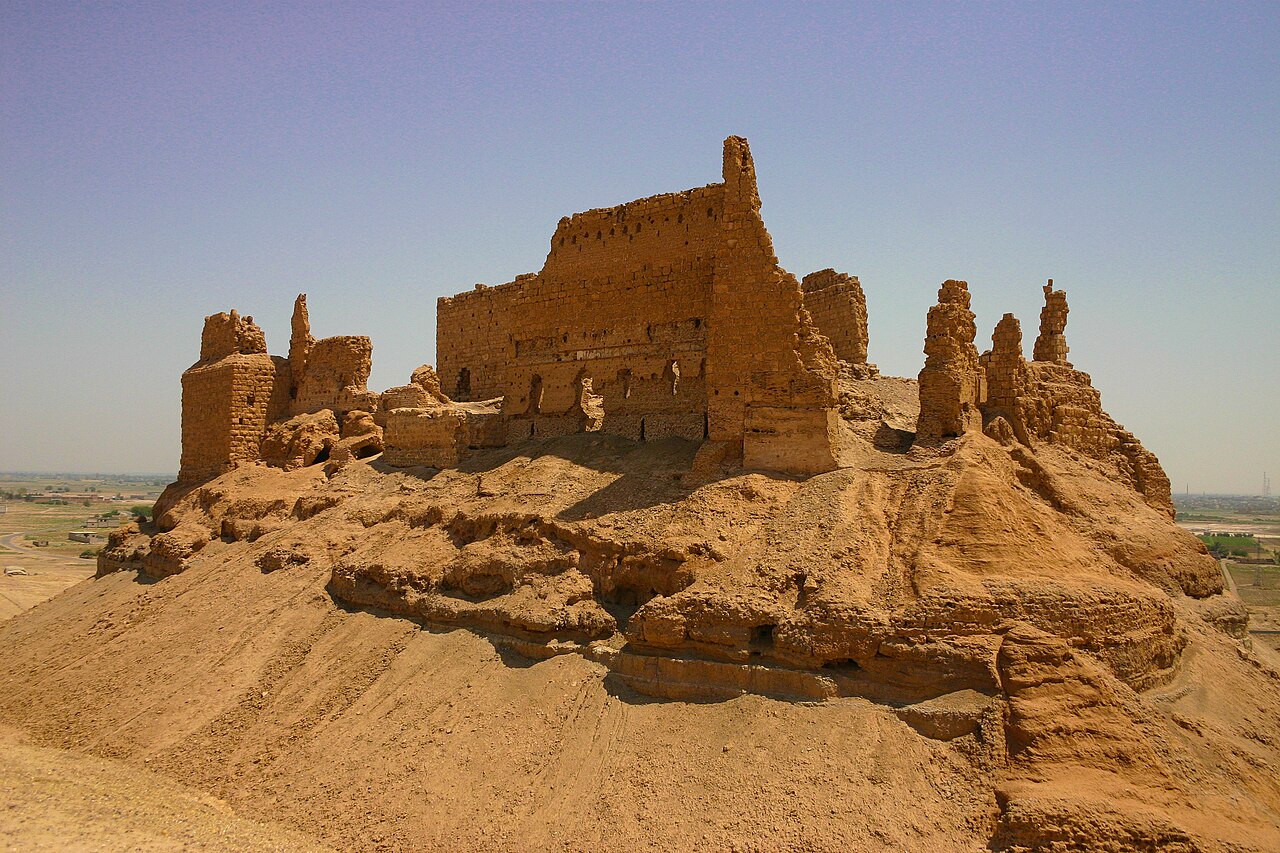
Al-Rahba (arab. قلعة الرحبة, znana też jako Qal'at al-Rahba), co tłumaczy się jako „Cytadela al-Rahba”, to średniowieczna arabska twierdza na zachodnim brzegu Eufratu, sąsiadująca z miastem Majadin w Syrii. Położona na wzniesieniu o wysokości 244 metrów (801 stóp), al-Rahba panuje nad stepami Pustyni Syryjskiej. Bywa opisywana jako „twierdza w twierdzy”: składa się z wewnętrznego donżonu o wymiarach 60 na 30 metrów (197 na 98 stóp), chronionego murem obwodowym o wymiarach 270 na 95 metrów (886 na 312 stóp). Al-Rahba jest dziś w dużej mierze ruiną wskutek erozji wietrznej.
Pierwotne stanowisko, znane jako „Rahbat Malik ibn Tawk” od imienia jego abbasydzkiego założyciela, leżało nad Eufratem. Muzułmańskie armie, karawany i podróżnicy postrzegali je jako klucz do Syrii od strony Iraku i odwrotnie. Plemiona beduińskie często przejmowały nad nim kontrolę i wykorzystywały je jako punkt wypadowy do najazdów na północną Syrię. Ze względu na strategiczne położenie al-Rahba była często przedmiotem walk między muzułmańskimi potęgami, w tym lokalnymi władcami, Hamdanidami, Ukajlidami, Mirdasidami i Seldżukami. Rahbat Malik ibn Tawk zostało zniszczone w trzęsieniu ziemi w 1157 roku.
Kilka lat później, bliżej granicy pustyni, obecną twierdzę wzniósł zengidzko-ajjubidzki władca Szirkuh. Jego potomkowie utrzymywali al-Rahba jako dziedziczne lenno nadane przez Saladyna aż do 1264 roku. Jeden z nich, Szirkuh II, nadzorował trzecią wielką przebudowę w 1207 roku. Przez cały wczesny okres mameluki (koniec XIII–XIV wiek) twierdza była nieustannie odbudowywana i wzmacniana wskutek częstych oblężeń przez mongolskich Ilchanidów z Iraku. Al-Rahba była najważniejszą mamelucką twierdzą nad Eufratem, ośrodkiem administracyjnym i ostatnim przystankiem na trasie sułtańskiej poczty.
Tłumaczenie maszynowe artykułu „Al-Rahba” w angielskiej Wikipedii, CC BY-SA 4.0.
Qalʿat ar-Rahba zajmuje 2932. miejsce na 8134 w rankingu rozpoznawalności zamków tego atlasu i 19. wśród 38 obiektów w Syrii. Data powstania — 1207, wcześniejsza niż u 76% datowanych obiektów atlasu — jeden z 861 obiektów atlasu powstałych w XIII wieku. Artykuły o tym obiekcie w Wikipedii otwarto 1222 razy w ciągu ostatnich 60 dni — więcej niż 54% obiektów atlasu. Jest jednym z 113 obiektów na mapie regionalnej „Lewant”. Zobacz w statystykach zamków, jak wypada Syria.
Zobacz na interaktywnej mapie zamków →Najczęstsze pytania
Gdzie znajduje się Qalʿat ar-Rahba?
Qalʿat ar-Rahba znajduje się w Syrii, na współrzędnych 35.00496°, 40.42323°.
Z którego roku pochodzi Qalʿat ar-Rahba?
Atlas podaje rok powstania: 1207. Wcześniejsze budowle mogły stać w tym miejscu — to najstarszy udokumentowany rok.
Które miejsce w rankingu zajmuje Qalʿat ar-Rahba?
W rankingu rozpoznawalności tego atlasu: 2932. miejsce na 8134, 19. miejsce w Syrii. Rozpoznawalność łączy liczbę wersji językowych Wikipedii z liczbą czytelników.
Qalʿat ar-Rahba — który zamek leży najbliżej?
Pałac Zimri-Lima w Mari, około 66 km stąd.
Inne zamki w Syrii
- Azm Palace (Hama) Syria · XVIII wiek
- Qal'at Najm Syria · VII wiek
- Ba'rin Syria · XII wiek
- Areimeh Castle Syria
Inne obiekty: ruiny
- Ludza Castle Łotwa · XIV wiek
- Maizuru Castle Park Japonia · XVI wiek
- Nagoya Castle (Hizen Province) Japonia · XVI wiek
- Minowa Castle Japonia · XVI wiek