Ruina
Takht-e Soleyman
🇮🇷 Iran
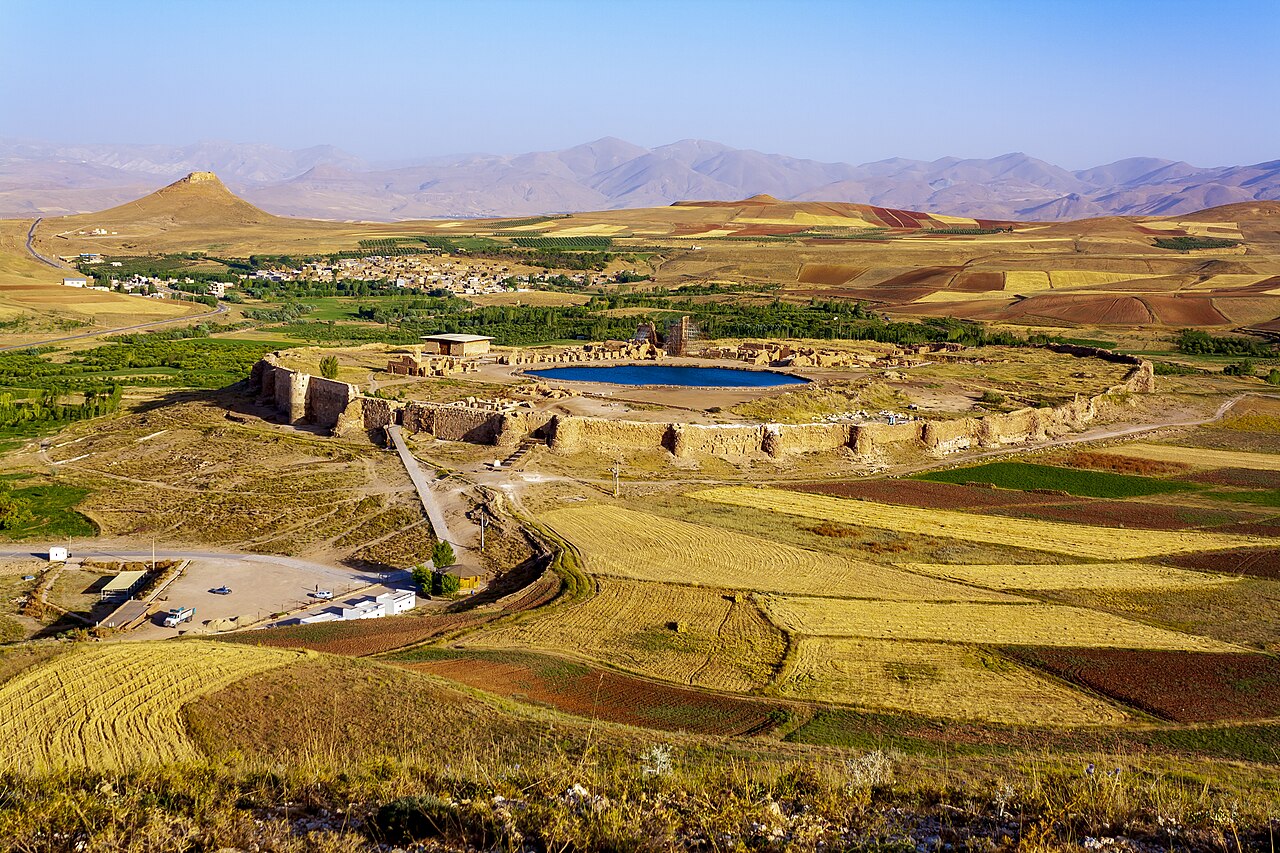
Takht-e Solejman (pers. تخت سلیمان, dosł. „Tron Salomona”) to stanowisko archeologiczne w Azerbejdżanie Zachodnim, w Iranie, sięgające czasów Imperium Sasanidzkiego. Leży w połowie drogi między Urmią a Hamadanem, w pobliżu dzisiejszego miasta Takab, 400 km na zachód od Teheranu.
Umocnione stanowisko, położone na wzgórzu utworzonym przez wypływ bogatego w wapń źródlanego stawu, zostało wpisane na Listę Światowego Dziedzictwa w lipcu 2003 roku. Cytadela obejmuje pozostałości Adur Gusznaspa, zoroastryjskiej świątyni ognia zbudowanej w epoce sasanidzkiej i częściowo przebudowanej (jako meczet) za czasów Ilchanatu. Świątynia ta przechowywała jeden z trzech „Wielkich Ogni” lub „Ogni Królewskich”, przed którymi władcy sasanidzcy korzyli się, aby wstąpić na tron. Ogień w Takht-i Sulejman nazywano Adur Gusznaspem i poświęcony był arteshtarom, czyli klasie wojowniczej Sasanidów. Fundamenty świątyni ognia wokół stawu przypisuje się tej legendzie. Takht-e Solejman widnieje na mapie Peutingera z IV wieku.
Miejsce to zyskało swą biblijną nazwę po muzułmańskim podboju Persji w VII wieku. Ludowa legenda głosi, że król Salomon więził potwory w pobliskim kraterze o głębokości 100 m, zwanym Zendan-e Solejman, czyli „Więzienie Salomona”. Mówi się także, że Salomon stworzył płynący staw w twierdzy.
Wykopaliska archeologiczne ujawniły ślady osadnictwa z V wieku p.n.e. z okresu achemenidzkiego, a także późniejsze osady partyjskie w obrębie cytadeli. Odnaleziono tam również monety z czasów panowania szachów sasanidzkich oraz cesarza bizantyjskiego Teodozjusza II (408–450 n.e.).
Na miejscu znajduje się niewielkie muzeum prezentujące artefakty ze stanowiska.
Tłumaczenie maszynowe artykułu „Takht-e Soleymān” w angielskiej Wikipedii, CC BY-SA 4.0.
Takht-e Soleyman zajmuje 135. miejsce na 8134 w rankingu rozpoznawalności zamków tego atlasu i 3. wśród 170 obiektów w Iranie. Artykuły o tym obiekcie w Wikipedii otwarto 18 181 razy w ciągu ostatnich 60 dni — więcej niż 97% obiektów atlasu. Zobacz w statystykach zamków, jak wypada Iran.
Zobacz na interaktywnej mapie zamków →Najczęstsze pytania
Gdzie znajduje się Takht-e Soleyman?
Takht-e Soleyman znajduje się w Iranie, na współrzędnych 36.60472°, 47.23417°.
Czy Takht-e Soleyman jest na liście UNESCO?
Tak — według Wikidanych obiekt jest wpisany na listę światowego dziedzictwa UNESCO.
Które miejsce w rankingu zajmuje Takht-e Soleyman?
W rankingu rozpoznawalności tego atlasu: 135. miejsce na 8134, 3. miejsce w Iranie. Rozpoznawalność łączy liczbę wersji językowych Wikipedii z liczbą czytelników.
Takht-e Soleyman — który zamek leży najbliżej?
Behestan Castle, około 45 km stąd.
Inne zamki w Iranie
- Alamut Iran · IX wiek
- Arg-e Bam Iran · V wiek p.n.e.
- Pałac Czterdziestu Kolumn Iran · XVII wiek
- Ali Qapu Iran · XVII wiek
Inne obiekty: ruiny
- Kiernów Litwa · XIII wiek
- Kalat al-Bahrajn Bahrajn · XV wiek p.n.e.
- Zamek Spiski Słowacja · XII wiek
- Whitehall (pałac) Anglia · XVI wiek