Palace
Cragside
 England · 19th century
- Founded
- 1862
- Style
- Tudor Revival architecture
- Architect
- Richard Norman Shaw
- Heritage status
- Grade I listed building
- Location
- Cartington
- Coordinates
- 55.31361°, -1.88556°
- Open data
- Wikidata Q5180627
- Links
- OpenStreetMap · Wikimedia Commons
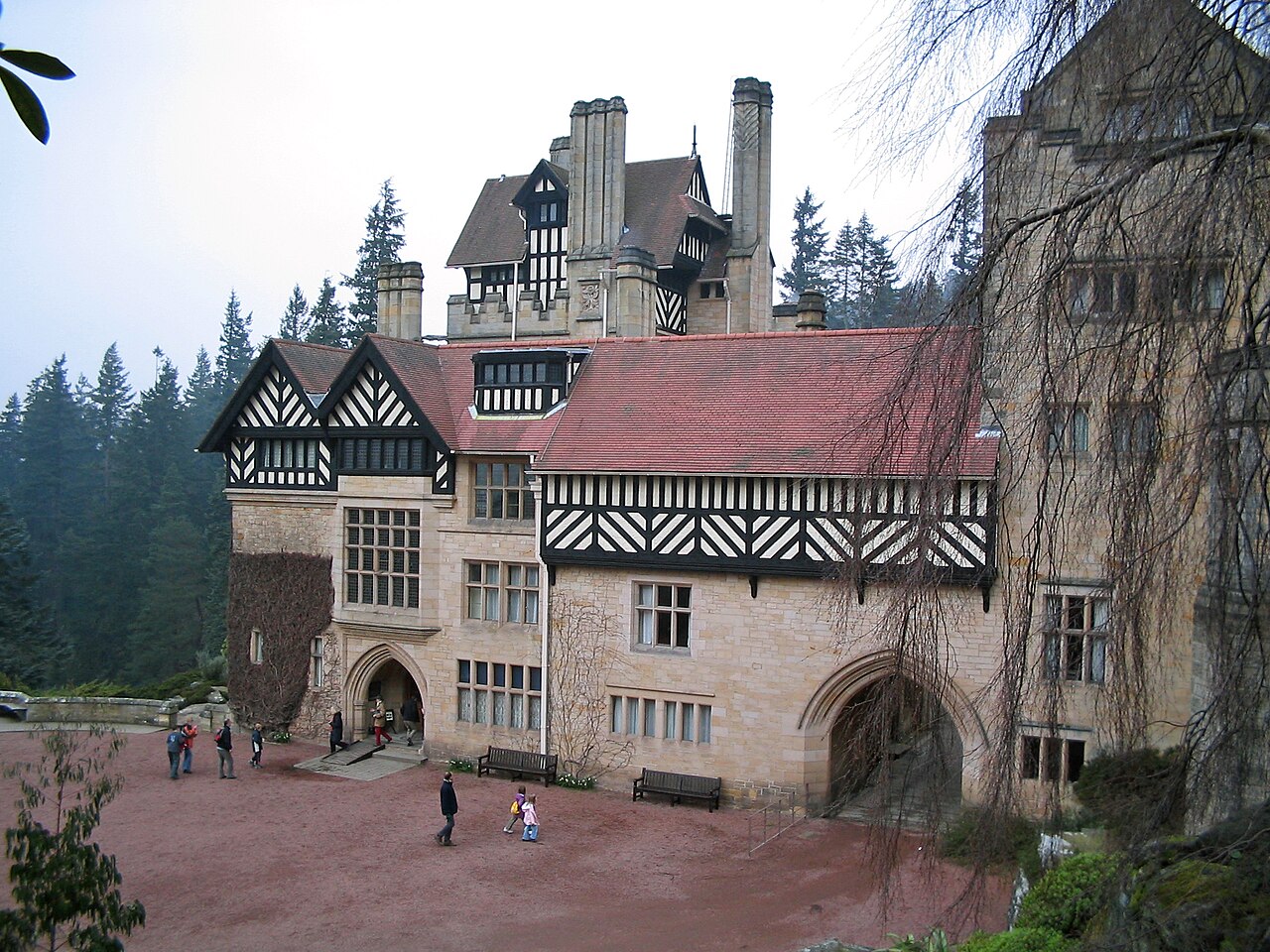
Description
Cragside is a Tudor Revival country house near the town of Rothbury in Northumberland, England. Dating to the Victorian era, it was the home of William Armstrong, 1st Baron Armstrong, founder of the Armstrong Whitworth armaments firm. An industrial magnate, scientist, philanthropist and inventor of the hydraulic crane and the Armstrong gun, Armstrong also displayed his inventiveness in the domestic sphere, making Cragside the first house in the world to be lit using hydroelectric power. The estate was technologically advanced: the architect of the house, Richard Norman Shaw, wrote that it was equipped with "wonderful hydraulic machines that do all sorts of things".
In the grounds, Armstrong built dams and lakes to power a sawmill, a water-powered laundry, early versions of a dishwasher and a dumb waiter, a hydraulic lift and a hydroelectric rotisserie. In 1887, Armstrong was raised to the peerage, the first engineer or scientist to be ennobled, and became Baron Armstrong of Cragside.
The original building consisted of a small shooting lodge which Armstrong built between 1862 and 1864. In 1869, he employed the architect Richard Norman Shaw to enlarge the site, and in two phases of work between 1869 and 1882, they transformed the house into a northern Neuschwanstein. The result was described by the architect and writer Harry Stuart Goodhart-Rendel as "one of the most dramatic compositions in all architecture". Armstrong filled the house with a significant art collection; he and his wife were patrons of many 19th-century British artists. Cragside became an integral part of Armstrong's commercial operations: honoured guests under Armstrong's roof, including the Shah of Persia, the King of Siam and two future Prime Ministers of Japan, were also customers for his commercial undertakings.
Text adapted from “Cragside” on Wikipedia, CC BY-SA 4.0.
In the rankings
Cragside ranks #1,145 of 9,902 worldwide in the atlas's castle fame ranking, and #96 of the 397 mapped in England. Founded 1862, it is older than 7% of the atlas's dated landmarks, one of 782 atlas entries founded in the 19th century. Its Wikipedia articles were opened 8,535 times in the last 60 days, more than 93% of the atlas. 9 more atlas landmarks stand within 25 km. The nearest day-trip guide is Newcastle upon Tyne, 41 km away. It is one of the 20 landmarks on the atlas's regional map of Northumberland. See how England compares in the castle statistics.
Castles nearby
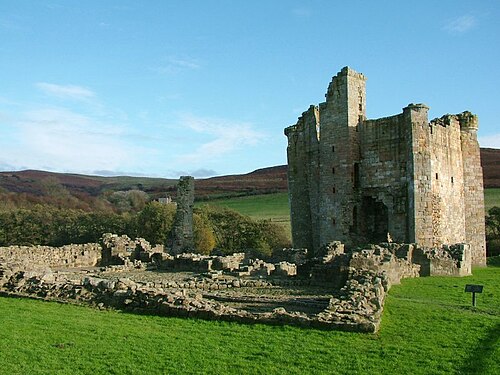
- Edlingham Castle8 km · England
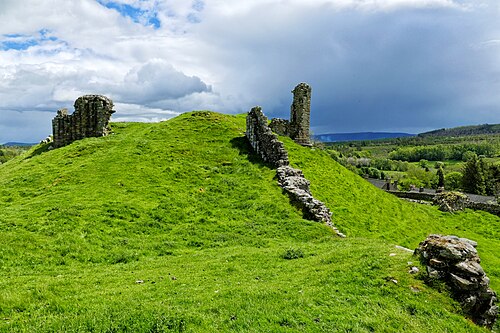
- Harbottle Castle14 km · England
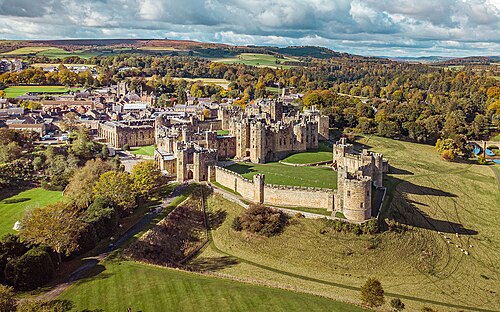
- Alnwick Castle16 km · England
- Warkworth Castle18 km · England
More castles in England
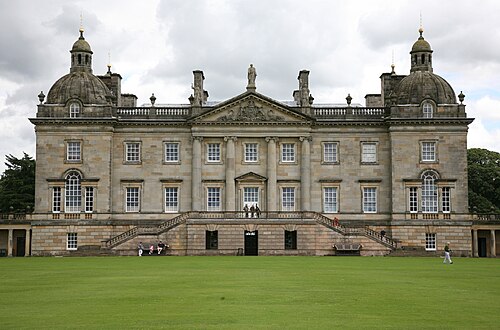
- Houghton HallEngland · 18th century
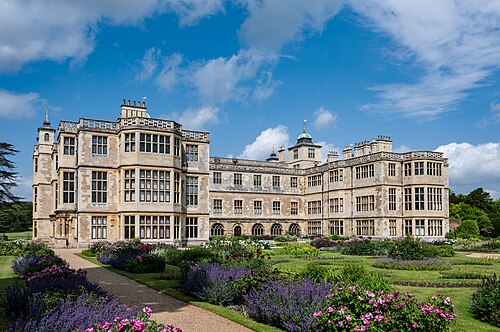
- Audley End HouseEngland · 17th century
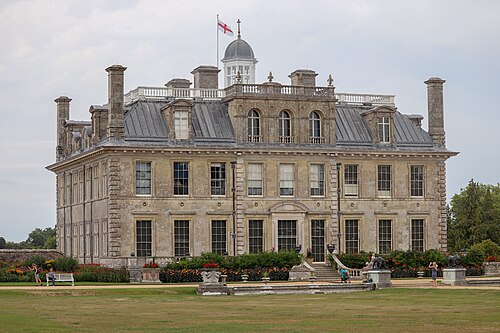
- Kingston LacyEngland · 17th century
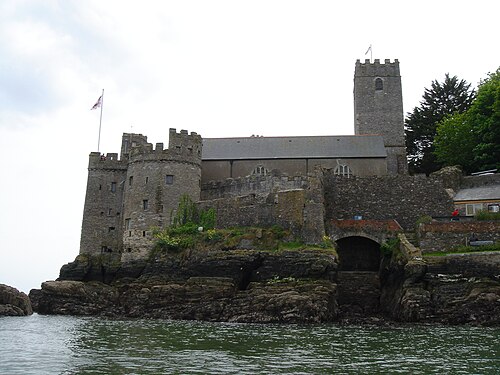
- Dartmouth CastleEngland · 14th century