Palace
Audley End House
 England · 17th century
- Founded
- c. 1700
- Style
- Jacobean architecture
- Heritage status
- Grade I listed building · Grade I listed park and garden
- Location
- Saffron Walden
- Coordinates
- 52.02083°, 0.22056°
- Open data
- Wikidata Q758949
- Links
- OpenStreetMap · Wikimedia Commons
Description
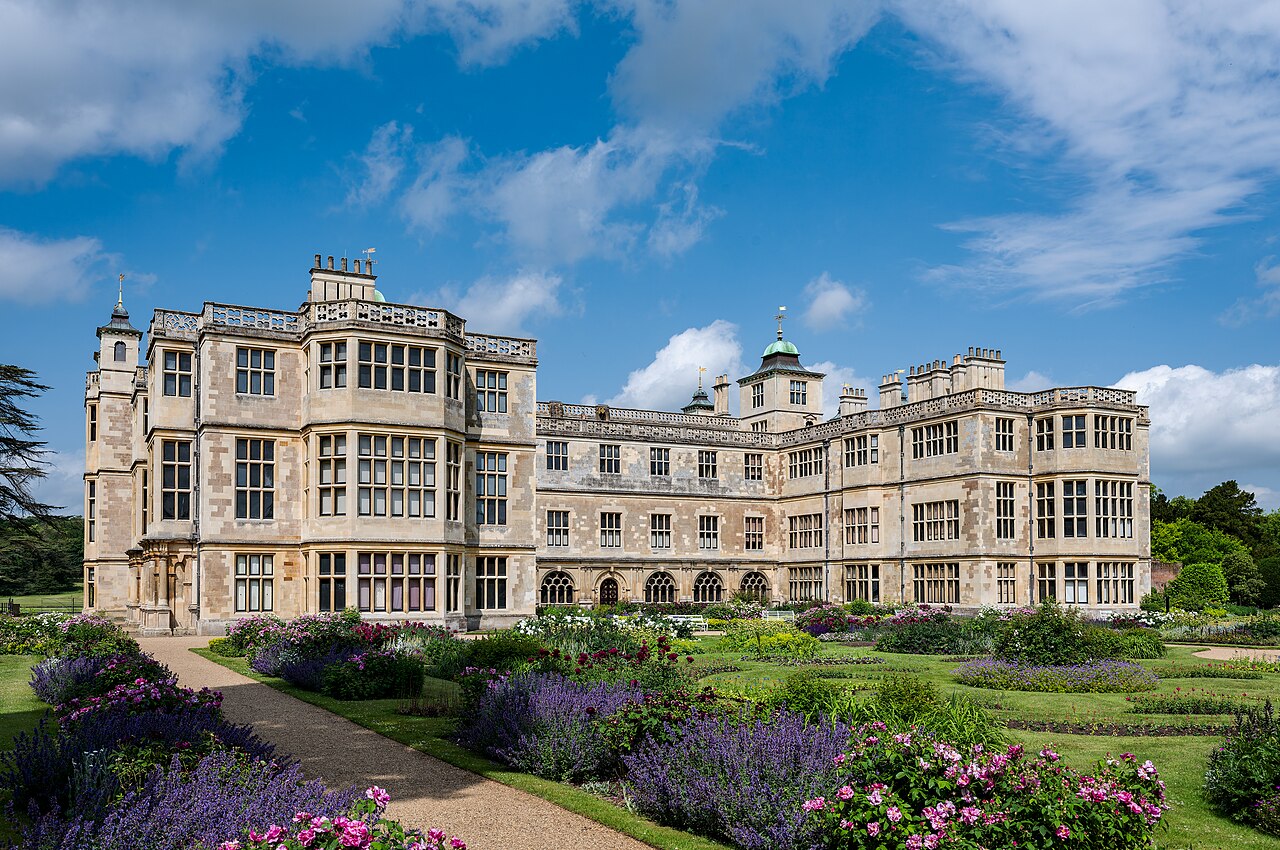
Audley End House, or Audley End, is an early 17th-century English country house near to Saffron Walden in north-west Essex. The Jacobean house was built by Thomas Howard, 1st Earl of Suffolk, on the site of a Benedictine monastery that had been awarded to his grandfather, chancellor Thomas Audley, during the dissolution of the monasteries. Suffolk demolished his grandfather's Tudor mansion and built a house of palatial proportions in which he entertained King James I. The house was bought by King Charles II in 1666, but returned to the earls of Suffolk in 1701. Originally consisting of two courts, much of the house was demolished in the 18th century, leaving it about one-third of its original size. The house came into the possession of the Barons Braybrooke at the end of the 18th century and remained with the family for 150 years.
During World War II, the house was used as a base for training Polish SOE agents. After the war, the ninth Lord Braybrooke sold the house and park to the government, although he retained the farms which formed part of the estate. The Ministry of Works opened the house to the public and it is now managed by English Heritage. Rooms on view to visitors include the great hall, chapel, library, reception rooms, nursery and service block. The house contains an extensive collection of pictures on loan from the Braybrooke family.
The park, which was landscaped by Capability Brown in the 18th century, includes a temple, a parterre garden, an organic kitchen garden and a Tudor stable block.
Text adapted from “Audley End House” on Wikipedia, CC BY-SA 4.0.
In the rankings
Audley End House ranks #1,302 of 9,902 worldwide in the atlas's castle fame ranking, and #106 of the 397 mapped in England. Founded c. 1700, it is older than 22% of the atlas's dated landmarks, one of 755 atlas entries founded in the 17th century. Its Wikipedia articles were opened 5,741 times in the last 60 days, more than 90% of the atlas. 3 more atlas landmarks stand within 25 km. The nearest day-trip guide is Cambridge (England), 22 km away. See how England compares in the castle statistics.
Castles nearby
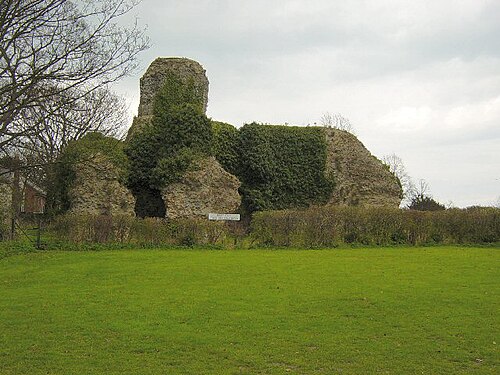
- Saffron Walden Castle2 km · England
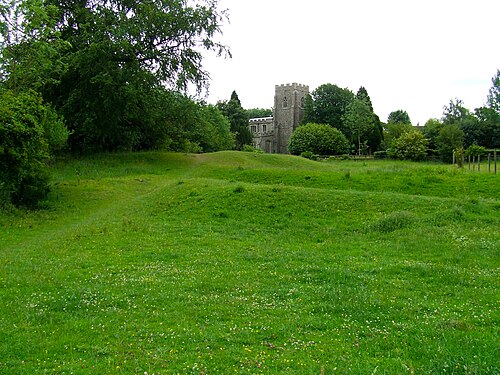
- Clavering Castle8 km · England
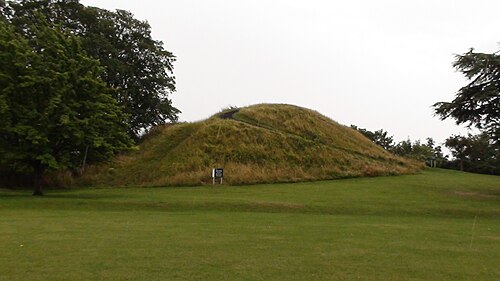
- Cambridge Castle22 km · England
- Clare Castle26 km · England
More castles in England
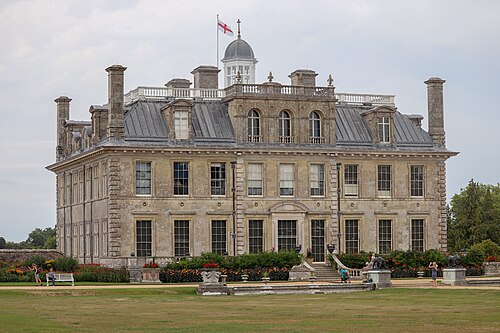
- Kingston LacyEngland · 17th century
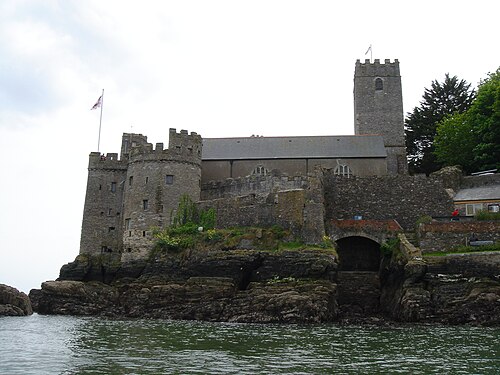
- Dartmouth CastleEngland · 14th century
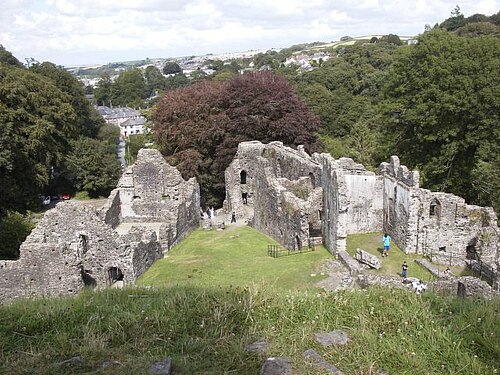
- Okehampton CastleEngland · 11th century
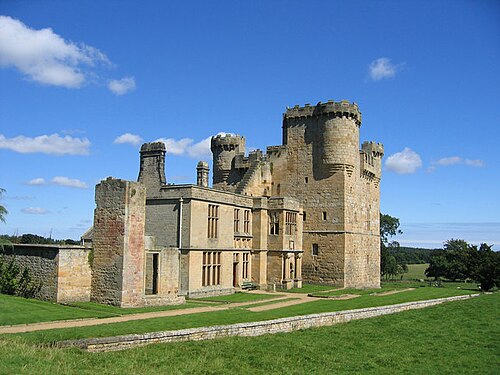
- Belsay CastleEngland · 14th century