 Ghana · 19th century
Fort Java ranks #9,030 of 9,040 worldwide in the atlas's castle fame ranking, and #34 of the 35 mapped in Ghana. Founded c. 1828, it is older than 10% of the atlas's dated landmarks, one of 705 atlas entries founded in the 19th century. 8 more atlas landmarks stand within 25 km. The nearest day-trip guide is Cape Coast, 11 km away. See how Ghana compares in the castle statistics.
Fort Java was a so-called redoubt, that is, in this case a small round earthwork, which was built in the then Dutch town of Elmina on the coast of present-day Ghana in the late 1820s. It stood on a hill about 300 metres north of the well-known Fort Sao Jago da Mina (also called "Conraadsburg"), which the Dutch called "Cattoenberg", that is, Cotton Hill. Today it is known as Java Hill. The statement found in places on the internet that Fort Java is another name for Fort Sao Jago in Elmina is incorrect.
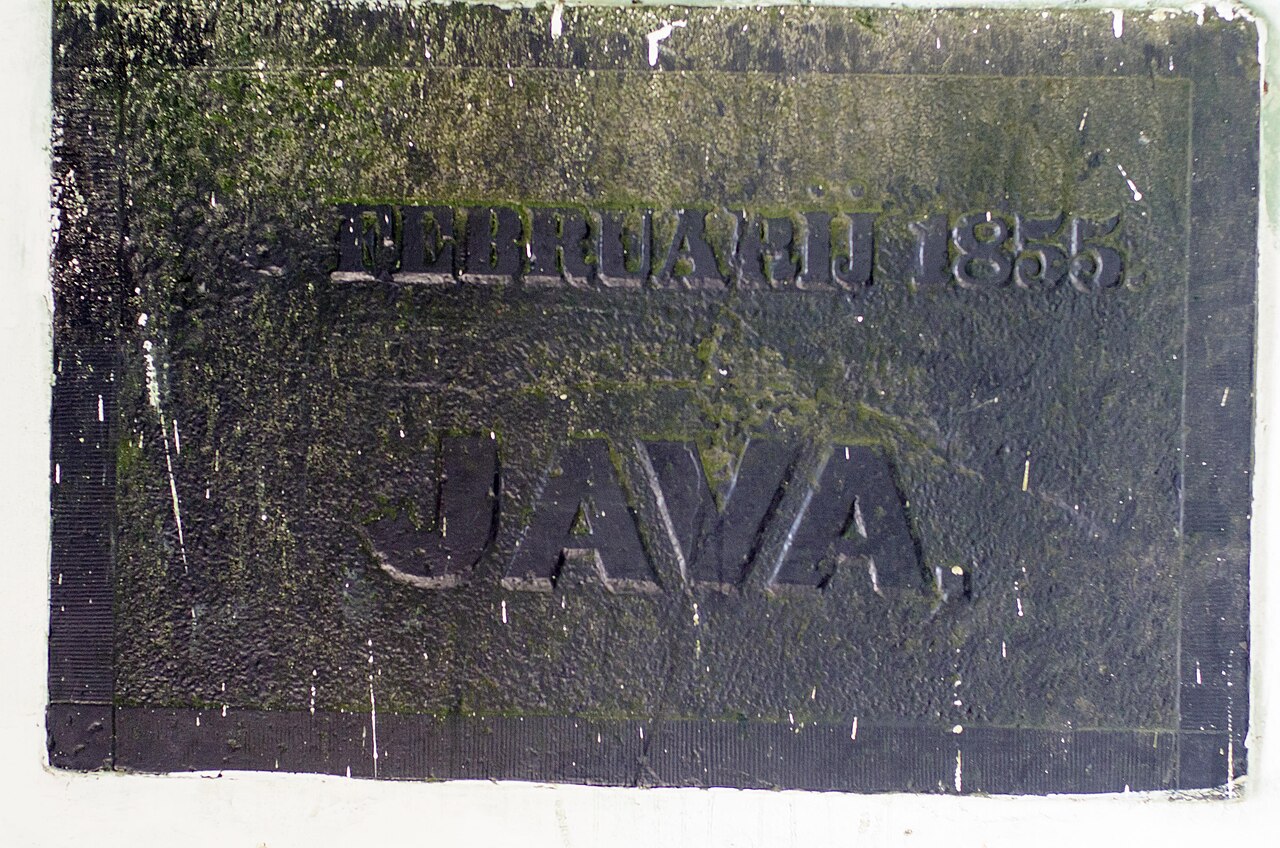
Fort Java was built to defend the town of Elmina against attacks from the hinterland, at a narrow point on the northern of the two peninsulas on which the town lies. In 1855 the fort was rebuilt from the ground up and received its name Fort Java in honour of the African soldiers of the Dutch colonial army (the Belanda Hitam) who had returned from their service on the then Dutch island of Java in South-East Asia. By 1873 the parapet of the works had decayed and only a small platform for 6-pounder cannons remained. Today no ruins of Fort Java survive.
Machine-translated from “Fort Java” on the German Wikipedia, CC BY-SA 4.0.
View on the interactive castle map →