 Japan · 17th century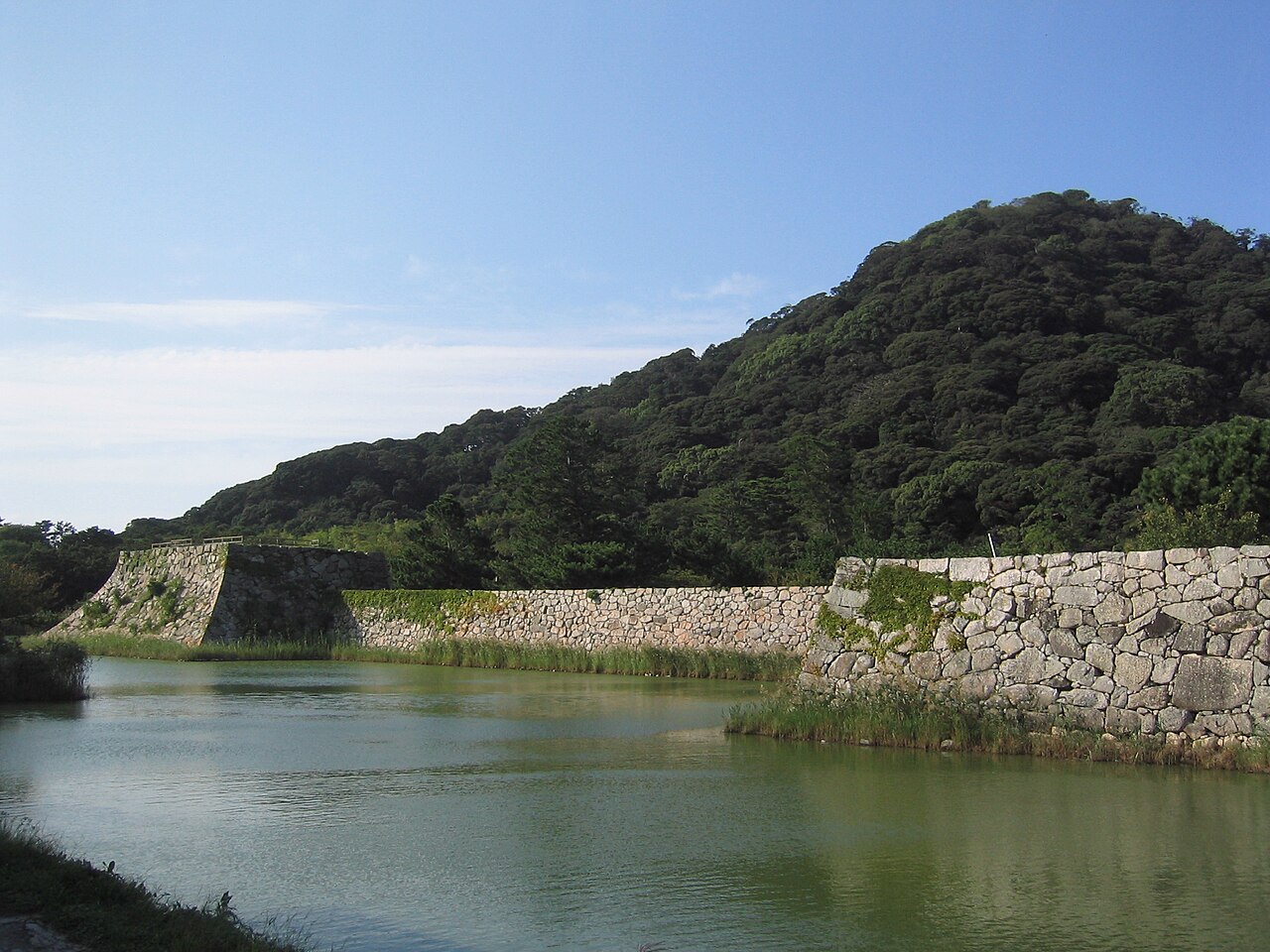
Hagi Castle (萩城, Hagi-jō) is a Japanese castle located in the city of Hagi, Yamaguchi Prefecture, in the San'yō region of Japan. Built in 1604 at the beginning of the Edo period as the main castle of the Mōri clan, it served as the seat of the Chōshū Domain for over 250 years until 1863. It was demolished in 1874 shortly after the Meiji Restoration. Its ruins were designated a National Historic Site in 1924. Hagi Castle has been designed as a component of the Sites of Japan's Meiji Industrial Revolution: Iron and Steel, Shipbuilding and Coal Mining, which received UNESCO World Heritage Site status in 2015.
Text adapted from “Hagi Castle” on Wikipedia, CC BY-SA 4.0.
Hagi Castle ranks #979 of 9,079 worldwide in the atlas's castle fame ranking, and #48 of the 296 mapped in Japan. Founded 1608, it is older than 30% of the atlas's dated landmarks — one of 721 atlas entries founded in the 17th century. Its Wikipedia articles were opened 5,014 times in the last 60 days, more than 86% of the atlas. See how Japan compares in the castle statistics.
View on the interactive castle map →