 Netherlands · 12th century
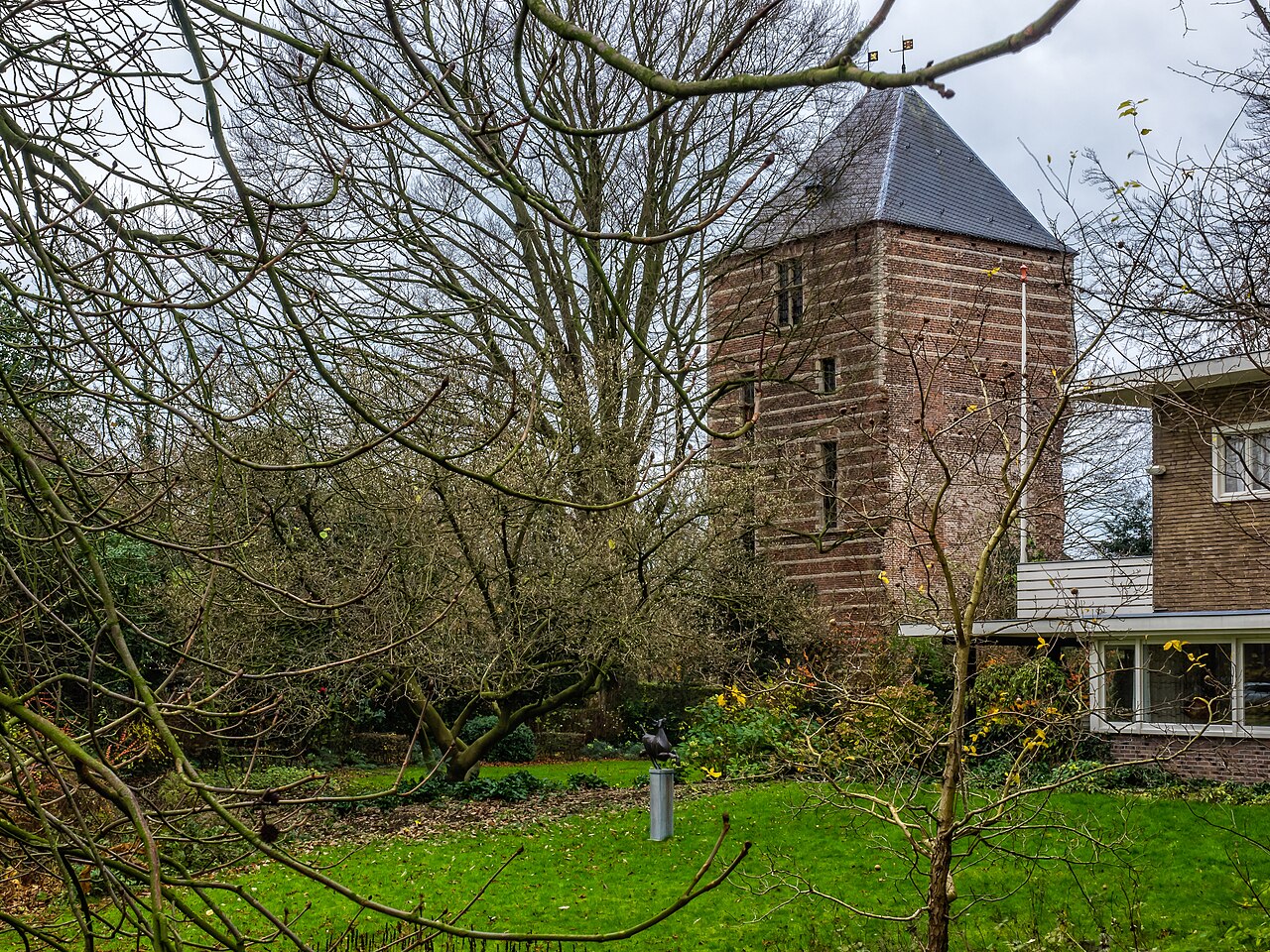
Kasteel IJsselstein ranks #7,972 of 9,040 worldwide in the atlas's castle fame ranking, and #149 of the 198 mapped in Netherlands. Founded 1144, it is older than 83% of the atlas's dated landmarks, one of 763 atlas entries founded in the 12th century. 24 more atlas landmarks stand within 25 km. The nearest day-trip guide is Utrecht, 10 km away. See how Netherlands compares in the castle statistics.
Kasteel IJsselstein is situated in the centre of the town of the same name, IJsselstein, in the province of Utrecht. The castle was already mentioned in 1144. But it was demolished in 1418, with the approval of Jacqueline of Hainaut, to be rebuilt in 1427.
The most famous inhabitants of the castle came from the Van Amstel family. They founded the castle's IJsselstein estate around 1300 and thereafter called themselves Van IJsselstein. Gijsbrecht van IJsselstein received permission from the bishop of Utrecht to build a parish church at IJsselstein. This church under the patronage of Saint Nicholas, the Sint Nicolaaskerk, was consecrated in 1310. Under Gijsbrecht's rule, IJsselstein was transformed from a castle surrounded by a few farms into a genuinely prosperous town.
In 1297 the castle was besieged for a year and defended by Bertha van Heukelom, the wife of Gijsbert van IJsselstein.
After 1511 the castle lost its function, and after a steady decline from 1700 it was demolished in 1887. The main tower, the Looierstoren (also called Traptoren), was preserved. It is the property of the National Monuments Organisation (in Dutch: Nationale Monumentenorganisatie).
Machine-translated from “Château d'IJsselstein” on the French Wikipedia, CC BY-SA 4.0.
View on the interactive castle map →