Palace
Khan's Palace
 Ukraine · 16th century
- Founded
- c. 1501
- Style
- Ottoman architecture
- Heritage status
- State Register of Immovable Monuments of Ukraine
- Location
- Bakhchysarai
- Coordinates
- 44.74901°, 33.8821°
- Open data
- Wikidata Q743881
- Links
- OpenStreetMap · Wikimedia Commons
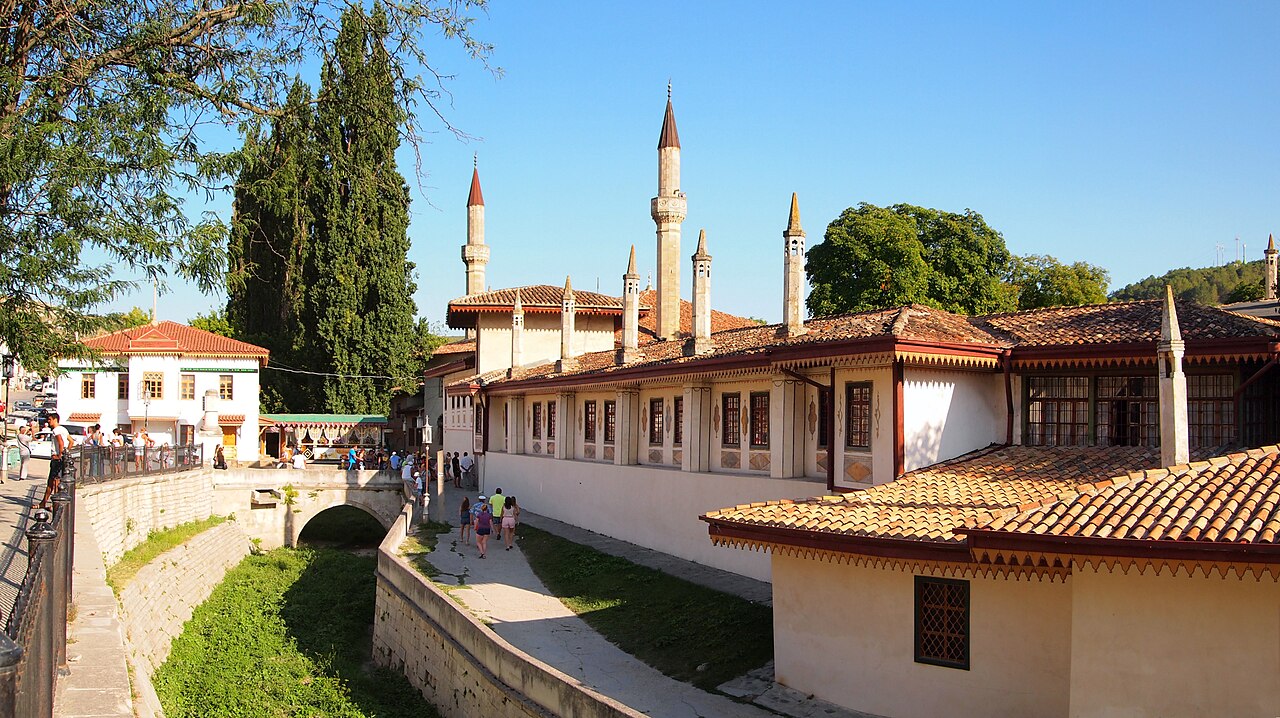
Description
The Khan's Palace (Crimean Tatar: Hansaray; Turkish: Han Sarayı) is located in the town of Bakhchysarai, Crimea. It was built in the 16th century and became home to a succession of Crimean Khans. The walled enclosure contains a mosque, a harem, a cemetery, living quarters and gardens. The palace interior has been decorated to appear lived in and reflects the traditional 16th-century Crimean Tatar style. It is one of the best known Muslim palaces found in Europe, alongside the Sultan palaces of Istanbul and the Alhambra in Spain.
In December 2022, Russian forces dismantled a damaged roof and an ensemble of colored stained glass windows in the palace and replaced it with modern ones in order to prevent possible damage during fighting. The move has been described by the Ukrainian side as part of an "ongoing assault" on cultural heritage.
Text adapted from “Bakhchysarai Palace” on Wikipedia, CC BY-SA 4.0.
In the rankings
Khan's Palace ranks #530 of 9,902 worldwide in the atlas's castle fame ranking, and #13 of the 198 mapped in Ukraine. Founded c. 1501, it is older than 43% of the atlas's dated landmarks, one of 933 atlas entries founded in the 16th century. Its Wikipedia articles were opened 5,508 times in the last 60 days, more than 89% of the atlas. 8 more atlas landmarks stand within 25 km. The nearest day-trip guide is Simferopol, 28 km away. See how Ukraine compares in the castle statistics.
Castles nearby
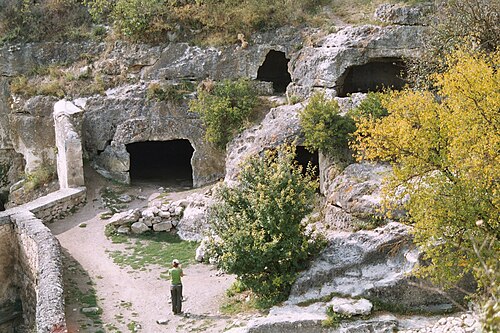
- Chufut-Kale3 km · Ukraine
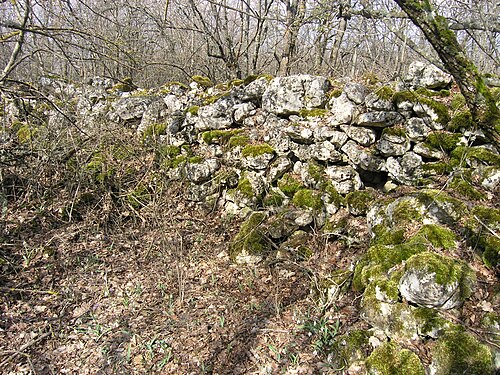
- Burun Kaia7 km · Ukraine
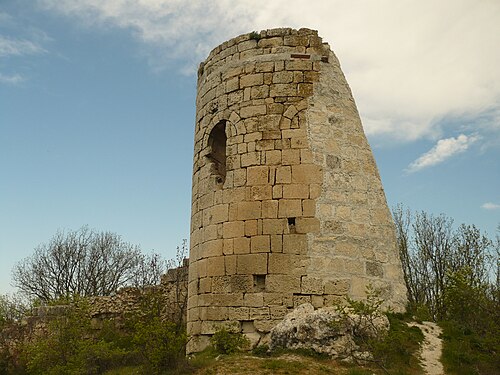
- Suiren Fortress13 km · Ukraine
- Kermenchik14 km · Ukraine
More castles in Ukraine
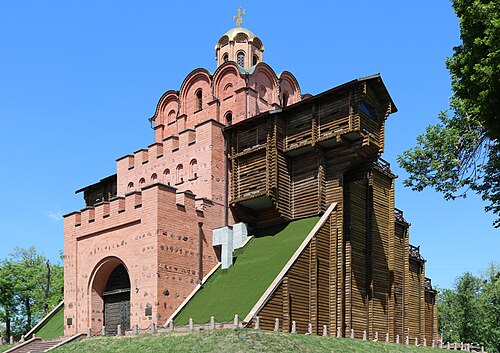
- Golden Gate (Kyiv)Ukraine · 11th century
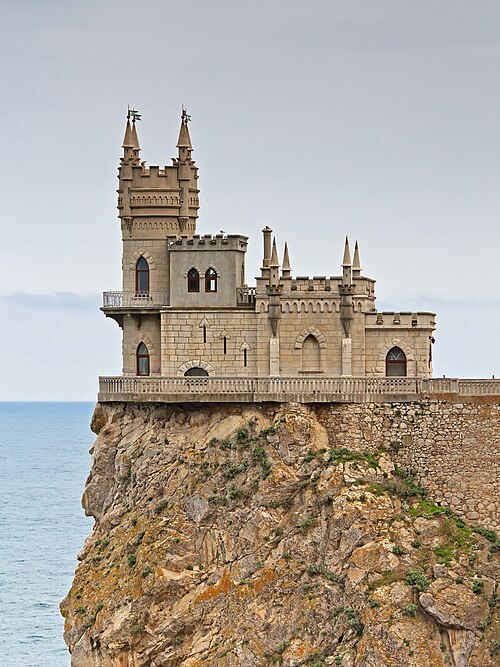
- Swallow's NestUkraine · 20th century
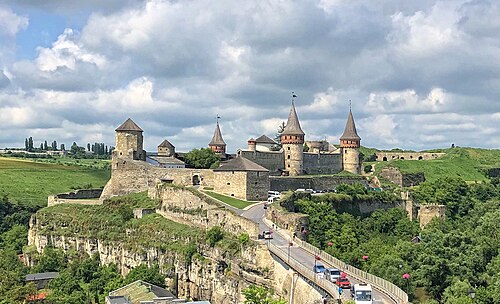
- Kamianets-Podilskyi CastleUkraine · 14th century
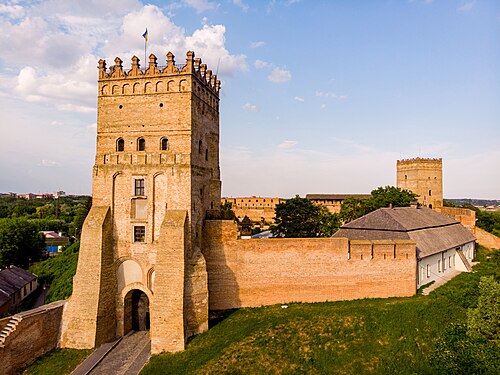
- Lubart's CastleUkraine · 14th century