Ruin
Okehampton Castle
 England · 11th century
- Founded
- 1068
- Heritage status
- Grade I listed building · scheduled monument
- Location
- Okehampton
- Coordinates
- 50.7306°, -4.0083°
- Open data
- Wikidata Q1419982
- Links
- OpenStreetMap · Wikimedia Commons
Description
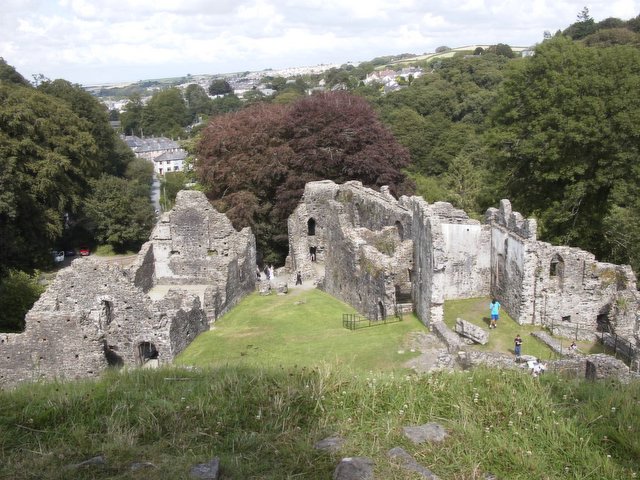
Okehampton Castle is a medieval motte and bailey castle in Devon, England. It was built between 1068 and 1086 by Baldwin FitzGilbert following a revolt in Devon against Norman rule, and formed the centre of the Honour of Okehampton, guarding a crossing point across the West Okement River. It continued in use as a fortification until the late 13th century, when its owners, the de Courtenays, became the Earls of Devon. With their new wealth, they redeveloped the castle as a luxurious hunting lodge, building a new deer park that stretched out south from the castle, and constructing fashionable lodgings that exploited the views across the landscape. The de Courtenays prospered and the castle was further expanded to accommodate their growing household.
The de Courtenays were heavily involved in the 15th century Wars of the Roses and Okehampton Castle was frequently confiscated. By the early 16th century the castle was still in good condition, but after Henry Courtenay was executed by Henry VIII the property was abandoned and left to decay, while the park was rented out by the Crown. Parts of the castle were reused as a bakery in the 17th century, but by the 19th century it was completely ruined and became popular with Picturesque painters, including J. M. W. Turner. Renovation work began properly in the 20th century, first under private ownership and then, more extensively, after the castle was acquired by the state. In the 21st century it is controlled by English Heritage and operated as a tourist attraction.
Text adapted from “Okehampton Castle” on Wikipedia, CC BY-SA 4.0.
In the rankings
Okehampton Castle ranks #2,854 of 9,902 worldwide in the atlas's castle fame ranking, and #215 of the 397 mapped in England. Founded 1068, it is older than 88% of the atlas's dated landmarks, one of 458 atlas entries founded in the 11th century. Its Wikipedia articles were opened 1,051 times in the last 60 days, more than 57% of the atlas. 3 more atlas landmarks stand within 25 km. The nearest day-trip guide is Swansea, 99 km away. See how England compares in the castle statistics.
Castles nearby
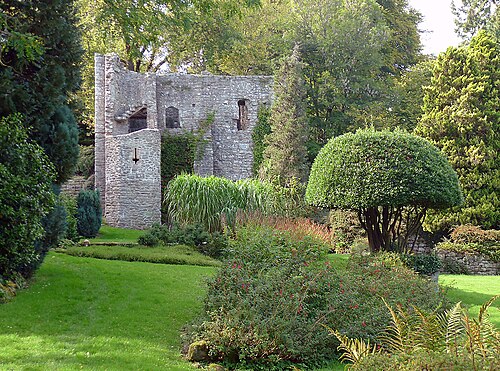
- Gidleigh Castle10 km · England
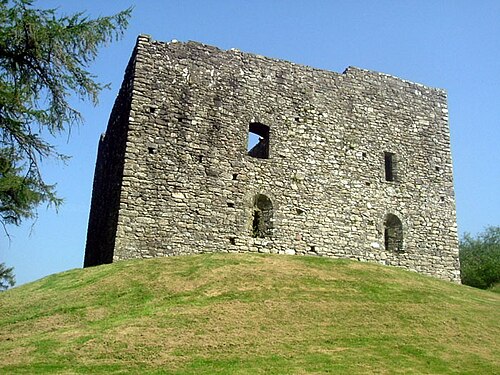
- Lydford Castle12 km · England
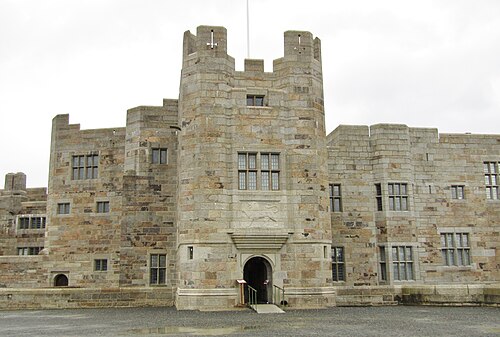
- Castle Drogo14 km · England
- Affeton Castle26 km · England
More castles in England
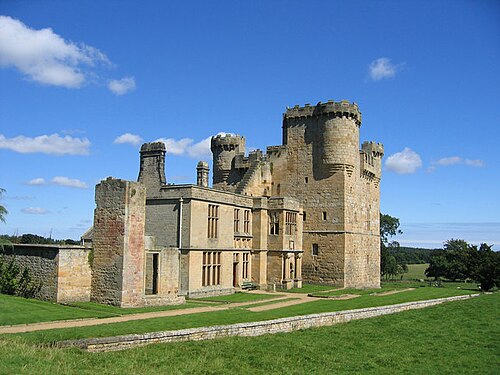
- Belsay CastleEngland · 14th century
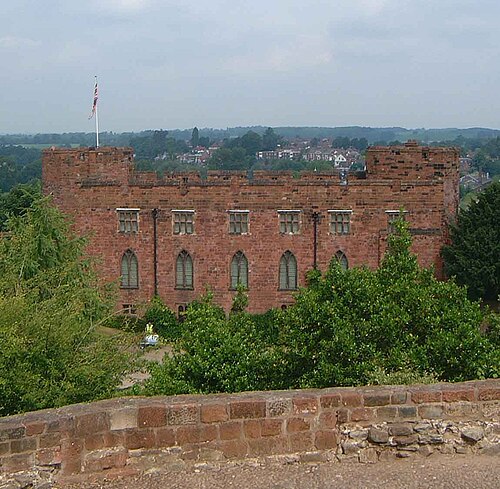
- Shrewsbury CastleEngland · 11th century
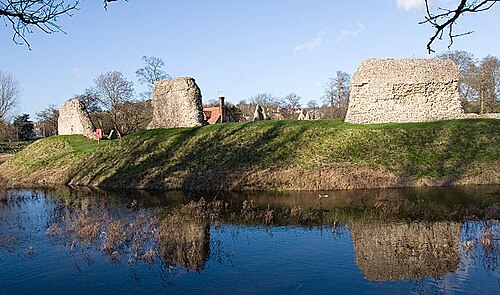
- Berkhamsted CastleEngland · 11th century
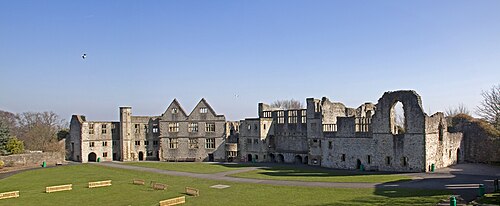
- Dudley CastleEngland · 11th century