Paleis
Leineschloss
🇩🇪 Duitsland · 18e eeuw
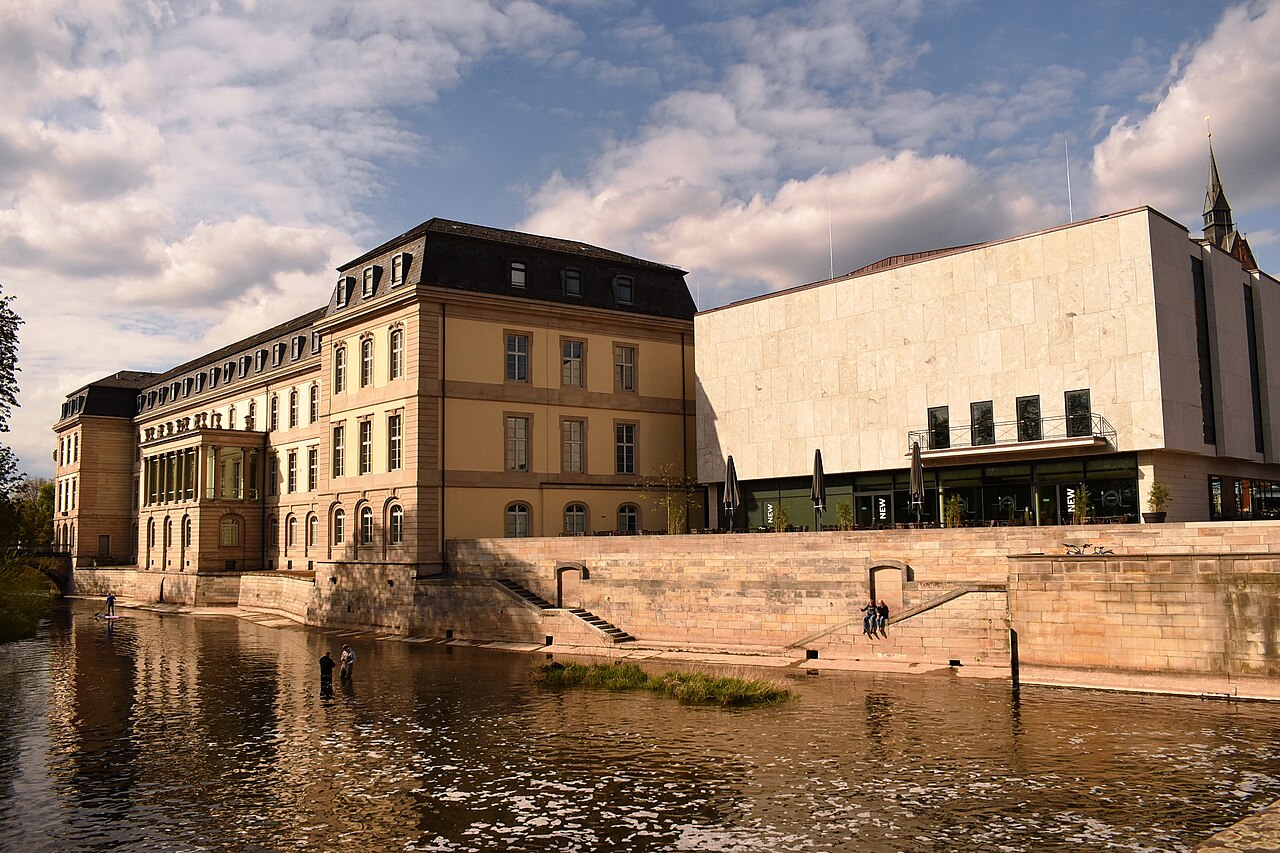
Het Leinepaleis (Duits: Leineschloss), gelegen aan de rivier de Leine in Hannover, Duitsland, is een voormalige residentie van de Hannoveraanse hertogen, keurvorsten en koningen. Het is tegenwoordig de zetel van het parlement (Landtag) van Nedersaksen.
Het eerste gebouw op deze plek was een franciscanenklooster, gebouwd rond 1300, dat in 1533, na de protestantse Reformatie, werd verlaten. In 1636 begon George, hertog van Brunswijk-Lüneburg, het klooster te verbouwen tot een vrij klein laat-renaissancepaleis als residentie voor hem als heerser van het vorstendom Calenberg. De voormalige kloosterkerk diende als kasteelkerk en koninklijke begraafplaats. Zijn zoon, keurvorst Ernst August, liet het paleis uitbreiden en moderniseren en voegde eind 17e eeuw een theater toe. Het vorstendom werd in 1692 verheven tot Keurvorstendom Hannover. In 1742 werd de noordwestelijke vleugel vernieuwd. Op 28 mei 1660 werd Ernst Augusts zoon, George I van Groot-Brittannië, geboren in het Leinepaleis.
Vanaf 1814 was het voormalig keurvorstelijke paleis de residentie van het Koninkrijk Hannover. Tussen 1816 en 1844 werd het paleis volledig herbouwd door architect Georg Ludwig Friedrich Laves. De zuilenportiek met zes Korinthische zuilen werd in deze periode gebouwd. De jongste zoon van George III, prins Adolphus, hertog van Cambridge, trad vanaf 1816 op als onderkoning van Hannover. Koningen Ernst August en George V waren de eerste en enige vorsten die tussen 1837 en 1866 hun hoofdverblijf in de hoofdstad van de deelstaat, in het Leinepaleis, hadden. Wel was het de bedoeling geweest de hoofdzetel over te brengen naar het Welfenschloss.
Machinaal vertaald uit “Leineschloss” op de Engelstalige Wikipedia, CC BY-SA 4.0.
Leineschloss staat op plaats 1.591 van 8.134 in de bekendheidsranglijst van deze atlas en op plaats 124 van de 505 die de atlas in Duitsland in kaart brengt. Gebouwd in 1746, en daarmee ouder dan 19% van de gedateerde bouwwerken in de atlas — een van de 556 bouwwerken in de atlas die uit de 18e eeuw stammen. De Wikipedia-artikelen erover werden de afgelopen 60 dagen 3.774 keer geopend, meer dan 80% van de atlas. Binnen 25 km staan nog 4 andere bouwwerken uit de atlas. Zie hoe dat zich verhoudt in de kastelenstatistiek.
Bekijk op de interactieve kastelenkaart →Veelgestelde vragen
Waar ligt Leineschloss?
Leineschloss ligt in Duitsland, op 52.3706°, 9.73361°.
Wanneer werd Leineschloss gebouwd?
De atlas dateert de stichting op 1746. Er kunnen eerdere bouwwerken hebben gestaan; dit is het oudste gedocumenteerde bouwjaar.
Hoe bekend is Leineschloss?
In de bekendheidsranglijst van deze atlas: plaats 1.591 van 8.134 wereldwijd, plaats 124 in Duitsland. Bekendheid combineert het aantal Wikipedia-taalversies met het aantal lezers.
Welk kasteel ligt het dichtst bij Leineschloss?
Welfenschloss, ongeveer 2 km verderop.
Meer kastelen in Duitsland
- Kasteel Benrath Duitsland · 18e eeuw
- Electoral Palace Duitsland · 18e eeuw
- Heerlijkheid Schaumburg Duitsland · 10e eeuw
- Brunswick Palace Duitsland · 18e eeuw
Meer paleizen
- Slot Tegel Duitsland · 19e eeuw
- Hubertusburg Duitsland · 18e eeuw
- Château des Réaux Frankrijk · 16e eeuw
- Anif Palace Oostenrijk